
Jharkhand mass wedding brings focus back on marriage assistance schemes for poor
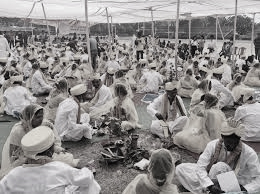
The mass marriage ceremony held in Jharkhand, where 101 couples from economically weaker backgrounds were married together , has once again highlighted the need for similar welfare-oriented initiatives across states to support poor families and promote women’s empowerment.
The ceremony, organised at the Sidhu-Kanhu ground in Ramgarh, was attended by Jharkhand Governor Santosh Gangwar, who blessed the newly married couples, many of whom were differently abled, orphaned or financially distressed. The event was organised by Hazaribag MP Manish Jaiswal and featured a cultural performance by North East Delhi MP Manoj Tiwari.
Addressing the gathering, the Governor said society needs more such efforts to ensure dignity, security and empowerment for women from disadvantaged sections. He praised the organiser for bringing together couples from various villages and backgrounds under one platform.
MP Manoj Tiwari described the initiative as a strong example of social responsibility and women-centric welfare, stating that collective efforts can significantly reduce the financial burden of marriages on poor families.
As part of post-marriage support, each couple was provided an e-rickshaw to help earn a livelihood, along with 22 household items , including a refrigerator and a steel almirah, to assist them in starting married life. One of the brides, Rajani Kumari, said she belonged to a poor Dalit family and expressed gratitude, noting that her family would not have been able to afford the wedding expenses otherwise.
The Ramgarh ceremony was not part of a formal state or central government scheme, but was organised through a social initiative led by an elected representative, with support from community networks and donors. Across India, such mass marriages are conducted either by charitable trusts, NGOs and community organisations, or by individual MPs and MLAs, sometimes using local development funds and public contributions.
In several states, however, marriage assistance has been institutionalised through government welfare schemes aimed at helping poor and marginalised families. States such as Uttar Pradesh, Madhya Pradesh, Odisha and Karnataka, Telangana and AP run government-sponsored programmes under which eligible couples receive financial aid, household essentials or both, with ceremonies often conducted on a large scale by district administrations.