

Jensen Huang Steps Down as Nvidia CEO, Ending a 33-Year Run at the Helm
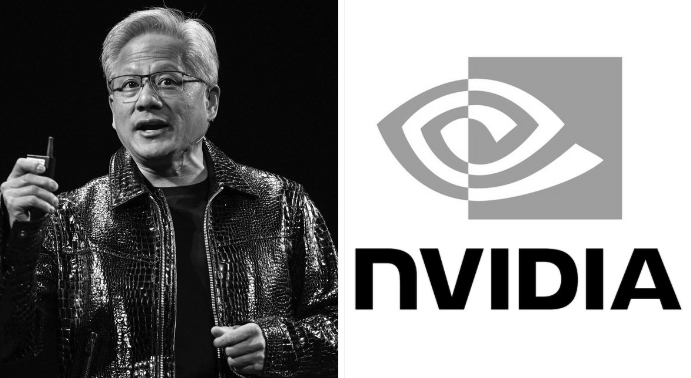
Jensen Huang, co-founder and CEO of Nvidia, has resigned after 33 years at the helm of the artificial intelligence (AI) chipmaker, marking one of the biggest leadership transitions in the technology industry and raising questions about the company's future direction.
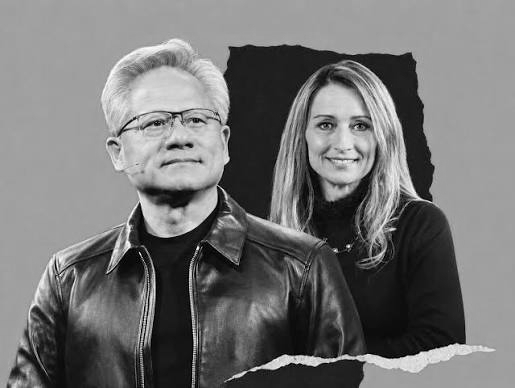
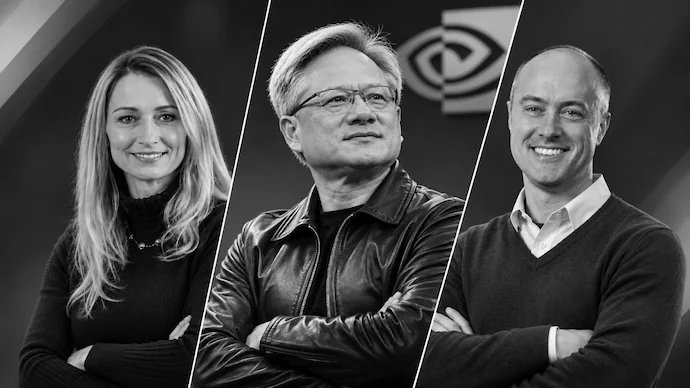
Nvidia confirmed that Huang had stepped down as president, CEO and a member of its board, effective immediately. The board appointed Chief Financial Officer Colette Kress as interim CEO and named Harvey C. Jones as its first-ever board chair. The company has begun searching for a permanent successor.
The resignation followed a controversy involving reports about Huang's relationship with Chinese businesswoman Alice Huang and concerns over possible national security implications. Nvidia's board had launched an independent investigation into the matter. The allegations have not been established as proven wrongdoing.
Huang co-founded Nvidia in 1993, transforming it from a graphics chipmaker into a global technology powerhouse supplying processors and computing systems used in AI development. His departure marks the end of a 33-year leadership that helped make Nvidia central to the global AI boom.
The controversy had already taken a heavy toll on the company's market value. Nvidia lost approximately USD 430 billion in market capitalisation over the two trading sessions immediately following the initial controversy, as its shares fell 4.3 per cent on November 9 and another 5.5 per cent on November 10. The subsequent sell-off following reports of a possible leadership change added to the losses.
Kress, who joined Nvidia in September 2013, has played a major role in its financial strategy and growth during more than a decade as CFO. She is serving as interim CEO and is also among the leading internal contenders for the permanent position. Another prominent internal candidate is Ian Buck, a senior executive associated with Nvidia's CUDA software ecosystem and AI computing business. External names being discussed include Rene Haas, CEO of chip-design company Arm and a former Nvidia executive. The board has not announced an official shortlist.
Despite the leadership uncertainty, Nvidia's business fundamentals remain strong. The company reported revenue of USD 96.2 billion in the second quarter of fiscal 2027, up 106 per cent from a year earlier. Its data-centre business generated USD 89 billion, up 117 per cent. Nvidia has projected third-quarter revenue of USD 108 billion.
Its next-generation Vera Rubin AI computing platform is ramping up into full production. Nvidia is also expanding into AI networking, robotics and integrated data-centre systems. The board has said it expects operations, customer commitments and the product roadmap to continue without interruption under Kress and the existing leadership team.
For investors, the key question is whether Nvidia can maintain its technological advantage and business relationships without Huang. Competition from AMD and Broadcom, alongside concerns over whether massive investments in AI infrastructure will generate sufficient returns, adds to the challenges facing the company. Nvidia's third-quarter results, scheduled for November 17, will be closely watched for further indications of its business outlook.