
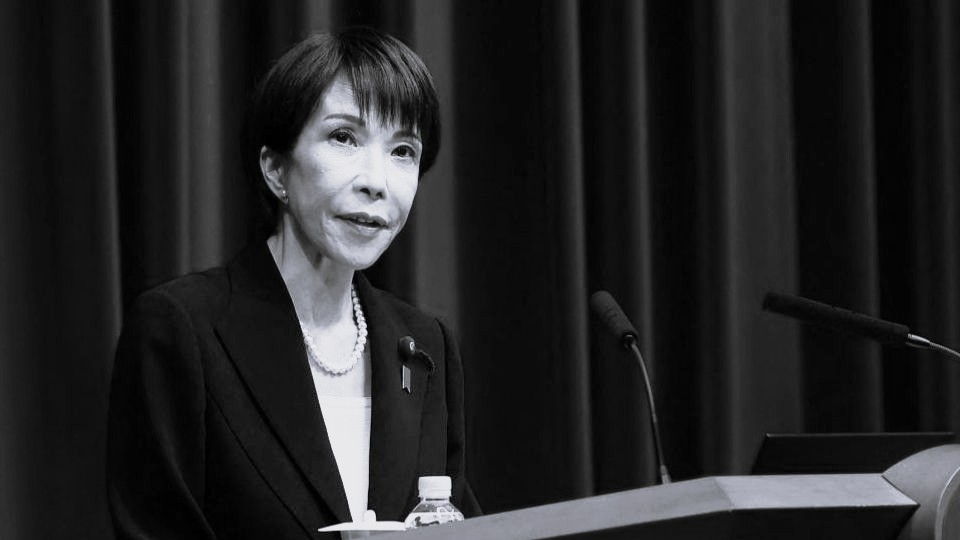
Japan’s Takaichi calls snap election after only 3 months in office
Japan’s newly elected Prime Minister Sanae Takaichi dissolved the lower house of Parliament on Friday, setting the stage for a Feb 8 snap election . The move comes only three months after she assumed office, making it one of the fastest parliamentary dissolutions in recent Japanese history.
Takaichi, who became Japan’s first female prime minister in October, is attempting to leverage her strong approval ratings, reported at around 70% , to restore her ruling coalition’s weakened position. The governing Liberal Democratic Party (LDP) and its allies suffered major losses in the 2024 elections and now hold only a slim majority in the powerful lower house.
Under Japan’s constitution, the prime minister has the authority to dissolve the lower house at any time, a power often used to call early elections when the government believes it can win more seats. By dissolving the 465-member lower house , Takaichi has triggered a legally mandated election process that begins with a formal campaign period. This gives her the chance to seek a stronger mandate from voters before the opposition can further weaken her coalition.
Takaichi’s decision is a strategic gamble. Her popularity is currently high, especially among younger voters, while the LDP is still struggling with fallout from a political funds scandal. Takaichi’s government has a slim majority in the lower house and no majority in the upper house, meaning passing major laws and the budget has become difficult. By calling a snap election, Takaichi aims to convert personal approval into parliamentary strength, regain lost seats, expand the coalition’s majority in the lower house, pre-empt opposition momentum, and avoid a prolonged budget battle that could weaken public confidence in her leadership.
In a bold statement, Takaichi told reporters that the people should decide whether she should continue as prime minister. “I’m staking my career as prime minister on it,” she said during a press conference on Monday, announcing her election plans. Her campaign is expected to highlight sharp contrasts with her centrist predecessor, Shigeru Ishiba . The hardline conservative has stressed that Japan needs stronger fiscal spending, a significant military buildup, and tougher immigration policies to become “strong and prosperous.”
The dissolution of the lower house triggers a 12-day campaign period that officially begins on Tuesday. During this time, Takaichi and her coalition will intensify efforts to win back voters and gain more seats. A successful election would strengthen her government’s ability to pass key legislation, including the delayed budget, and push through her policy agenda. However, the snap election also brings risks. If the LDP loses further ground, Takaichi could face pressure to resign or even trigger a political crisis, potentially leading to another leadership change within the party. The election outcome will also shape Japan’s stance on critical issues such as defense spending, relations with China , and ties with the United States .
Despite her personal popularity, the LDP remains unpopular due to a political funds scandal that has damaged the party’s credibility. Many traditional LDP supporters have shifted toward emerging far-right populist parties such as the anti-globalist Sanseito , making the upcoming election unpredictable. Takaichi’s leadership has also intensified tensions with China , following her pro-Taiwan remarks suggesting Japan could intervene if China attacked Taiwan , a self-governing island claimed by Beijing. China has responded with increased economic and diplomatic retaliation, raising concerns about regional stability.
Meanwhile, US President Donald Trump has been pressing Japan to increase defense spending as the US and China compete for military dominance in the region. Takaichi has indicated she wants to push for further military expansion, aligning with Washington’s strategic expectations. Takaichi’s primary objective is to expand her coalition’s majority in the lower house and strengthen her mandate amid growing domestic and international challenges.