
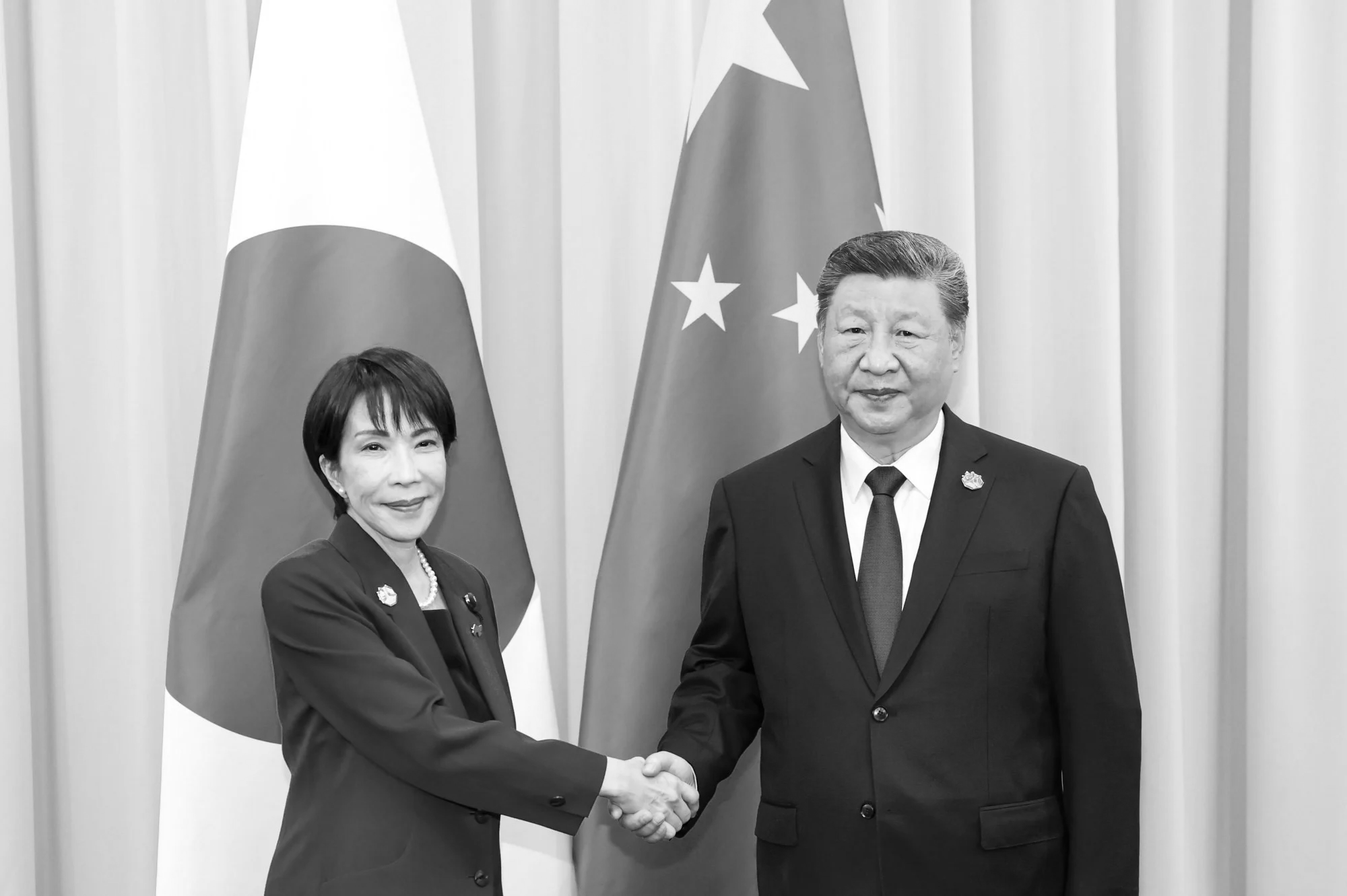
Japanese Lawmakers Head To Beijing To Mend Ties After Takaichi’s Taiwan Remark Fallout
A cross party group of Japanese lawmakers has travelled to Beijing in an attempt to repair strained ties with China after Prime Minister Sanae Takaichi’s remarks on Taiwan triggered a major diplomatic fallout between the two Asian powers.
The delegation, which left Tokyo on Monday, includes Gaku Hashimoto, a lawmaker from Takaichi’s ruling Liberal Democratic Party and a former health and welfare vice minister, along with lawmakers from opposition parties Komeito and the Centrist Reform Alliance. The group is scheduled to remain in China through Thursday and meet Chinese Communist Party officials.
The visit comes as Japan-China relations have deteriorated sharply, with the dispute extending beyond diplomacy into trade and economic ties. Shinichi Isa, a senior spokesperson for the Centrist Reform Alliance and a former diplomat at Japan’s embassy in China, said before leaving Tokyo that communication between the two countries had been cut off across multiple areas.
Isa said the situation was beginning to affect many areas and expressed hope that the lawmakers could find a way to restart dialogue. Earlier this month, he described bilateral ties as being at their worst level since the two countries normalised relations in 1972, noting that officials and ministries had maintained communication during previous periods of tension.
The latest effort follows Takaichi’s controversial remarks that a Chinese attack on Taiwan could constitute a “survival threatening situation” for Japan, potentially allowing Tokyo to exercise its right to use force under Japan’s security framework. Beijing reacted angrily, viewing the comments as crossing a major red line concerning Taiwan, which China claims as part of its territory.
Takaichi has not withdrawn the Taiwan remarks, despite sustained pressure from Beijing. China subsequently issued warnings affecting travel and introduced trade restrictions that have reportedly contributed to reduced supplies of rare earth minerals to Japanese companies, adding an economic dimension to the diplomatic dispute.
There have nevertheless been limited signs that communication could resume. Japanese Foreign Minister Toshimitsu Motegi and Chinese Foreign Minister Wang Yi held a brief conversation in July, the first known direct contact between the two foreign ministers since the dispute over Takaichi’s Taiwan comments erupted.
Takaichi also avoided another potential flashpoint on August 15, when she marked Japan’s World War II surrender anniversary by praying remotely rather than visiting the Yasukuni Shrine, a site regarded by China and South Korea as a symbol of Japan’s wartime militarism and aggression.
The lawmakers’ Beijing visit therefore represents an attempt to create a “window for dialogue” at a time when official channels remain severely strained. The Chinese side has accepted the lawmakers’ request for an opportunity to reopen communication, according to Japanese officials.