
Japan Upholds Male-Only Imperial Succession in Landmark Royal Law Reform
Japan has enacted a landmark revision to its Imperial House Law , aiming to secure the future of the world's oldest hereditary monarchy while preserving its centuries-old tradition of male-only succession . The reform addresses the shrinking size of the Imperial Family , but by refusing to allow women to inherit the throne, it has reignited a national debate over gender equality and the monarchy's long-term future.
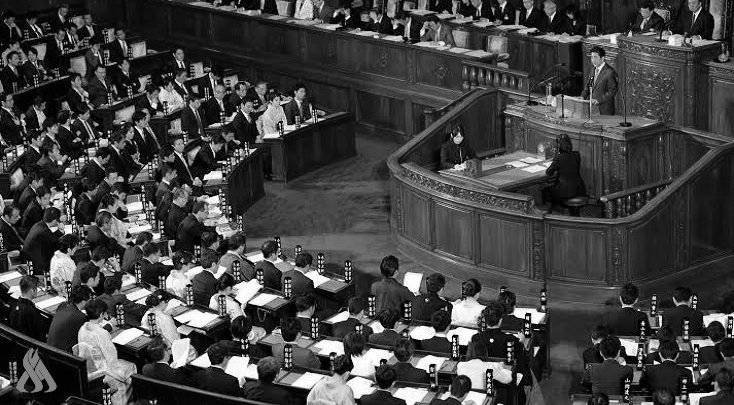
Passed by parliament on July 17 , the revised law allows princesses to retain their imperial status after marrying commoners, enabling them to continue performing official duties instead of leaving the royal household. It also permits the return of male descendants from former imperial branches to strengthen the succession line, provided they belong to the paternal imperial lineage . However, the legislation continues to bar women from ascending the Chrysanthemum Throne .
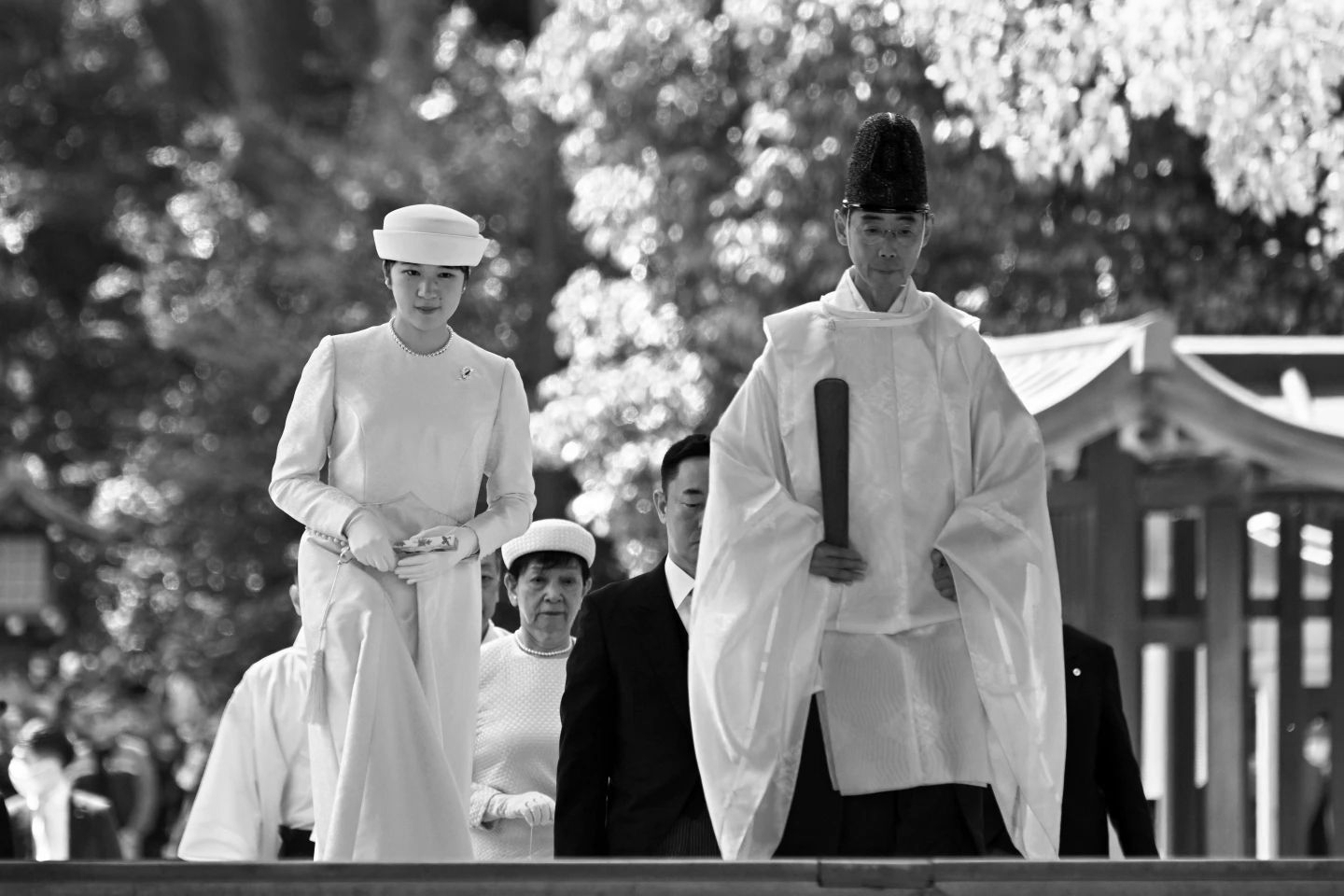
The decision means Princess Aiko , the only child of Emperor Naruhito and one of the country's most popular royals, remains ineligible to become emperor despite strong public support. Under the current succession order, Crown Prince Akishino is first in line, followed by his son Prince Hisahito , who is expected to become Japan's future emperor.
The reforms come as the Imperial Family faces a demographic challenge. Female royals previously lost their status upon marrying commoners, steadily reducing the number of working royals. While the amendments help retain female members for ceremonial duties, they do not increase the number of eligible heirs.
Although Japan has had eight reigning empresses in its history, conservatives argue they served only as temporary rulers before succession returned to the paternal line. Supporters of the revised law say restoring male descendants from former imperial branches preserves the monarchy's unbroken lineage, while critics contend the move merely postpones a deeper succession crisis.
With the emperor serving only as the constitutional symbol of the State and the unity of the people , the latest reforms reflect Japan's effort to balance historic tradition with modern realities. Yet the question of whether the monarchy should eventually permit female succession remains unresolved, ensuring the debate over the future of Japan's imperial institution is far from over.