
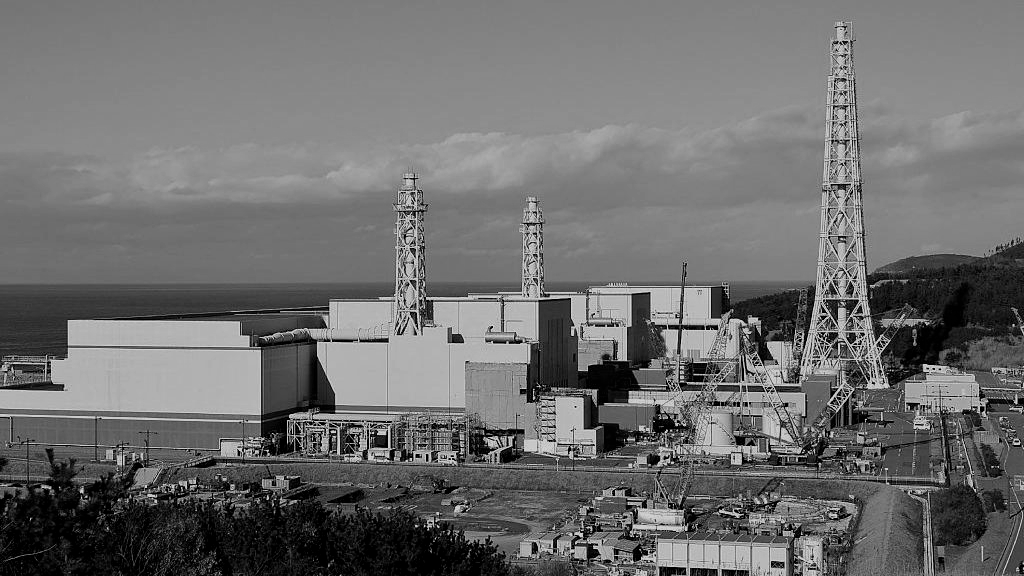
Japan suspends restart of Kashiwazaki-Kariwa reactor over technical glitch
Japan’s largest nuclear power plant, the Kashiwazaki-Kariwa facility in north-central Japan, saw the restart of its No. 6 reactor suspended on Thursday, just hours after operations resumed for the first time since the 2011 Fukushima disaster. The Tokyo Electric Power Company Holdings (TEPCO) cited a glitch related to control rods critical components for safely starting and shutting down reactors as the reason for the temporary halt, stressing that there was no immediate safety risk. The company is assessing the situation, and a timeline for resuming the restart process remains unclear.
Located about 220 kilometres northwest of Tokyo , Kashiwazaki-Kariwa is the world’s largest nuclear facility, with a combined capacity of 8 million kilowatts . Once operational, the No. 6 reactor alone could generate 1.35 million kilowatts , enough to power over one million households in the Tokyo metropolitan area. TEPCO plans to resume only two of the seven reactors in the coming years.
All units at the plant were taken offline after the Fukushima Daiichi disaster, which resulted from a 2011 earthquake and tsunami. While Kashiwazaki-Kariwa itself was not directly affected, TEPCO has been grappling with public distrust over its safety culture, following investigations that highlighted lapses and regulatory collusion at Fukushima. Cleanup efforts at the damaged Fukushima site are ongoing and estimated to cost 22 trillion yen ($139 billion).
The restart is part of Japan’s broader strategy to expand nuclear power amid soaring electricity demand and rising fossil fuel costs, particularly following Russia’s invasion of Ukraine. Prime Minister Sanae Takaichi has pledged to maximise nuclear output through reactor restarts, lifespan extensions, and next-generation nuclear technologies, aiming for nuclear power to account for 20 per cent of Japan’s energy mix by 2040.
Safety concerns, however, remain significant. The Kashiwazaki-Kariwa plant sits in a seismically active region and has previously suffered earthquake damage. Evacuation planning is complex, with about 18,600 residents within a five-kilometre radius required to evacuate in case of a leak, while nearly 400,000 others in surrounding areas would need to shelter indoors. Past experiences, such as the 2024 Noto Peninsula earthquake , highlight challenges in executing evacuation plans amid infrastructure damage.
TEPCO has invested over 1 trillion yen ($6.33 billion) in safety upgrades, including reinforced seawalls, watertight reactor buildings, emergency water reservoirs, mobile cooling units, and filtered venting systems to reduce radioactive emissions during emergencies.
While the suspension underscores ongoing technical and public trust challenges, the Kashiwazaki-Kariwa restart signals Japan’s renewed reliance on nuclear power to meet energy security and climate goals. Full commercial operations for the No. 6 reactor are expected to begin in late February after final inspections.