
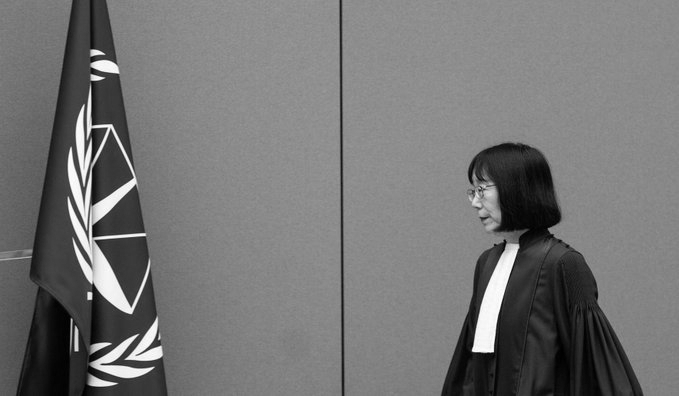
Japan Protests Russia’s Bid To Extradite ICC President Tomoko Akane, 8 Others
Japan on Friday, October 9, protested Russia’s requests to extradite International Criminal Court (ICC) President Tomoko Akane and eight other court officials, calling the move “unjust and unacceptable” amid escalating pressure on the tribunal.
Russia’s Prosecutor General’s Office submitted the requests to the Netherlands and other countries, seeking the handover of the nine officials. Moscow issued warrants against them in retaliation for the ICC’s 2023 arrest warrant for Russian President Vladimir Putin over alleged war crimes linked to the Ukraine war. In December 2025, a Moscow court sentenced Akane and other officials in absentia to prison terms.
Deputy Chief Cabinet Secretary Masanao Ozaki said Tokyo had formally protested to Moscow and could lodge further objections. Russia has accused the ICC of violating international law by issuing arrest warrants against Russian citizens without evidence.
The development comes as US President Donald Trump’s administration announced sweeping new sanctions against the ICC on Friday, extending its campaign against the court over investigations involving American personnel and Israeli officials. The measures restrict the tribunal’s access to US financial services, technology companies and dollar transactions. US businesses and individuals have six months to end their dealings with the court.
Japanese Prime Minister Sanae Takaichi expressed deep concern over Washington’s measures, saying they contradicted Japan’s consistent position. She reaffirmed Tokyo’s support for the ICC and the rule of law, pledging continued engagement with the United States, Akane and other countries to ensure the court can function.
ICC Deputy Prosecutor Nazhat Shameem Khan also condemned the US sanctions, saying they were intended to undermine international rule of law but would not stop the tribunal’s investigations and prosecutions.
The dispute adds to tensions between Japan and Russia, already strained by a longstanding territorial dispute over Pacific islands. It also highlights the diplomatic challenge facing Tokyo as it seeks to maintain its close alliance with Washington while supporting the Netherlands-based court.