
Japan PM Visits Quake-Hit Kumamoto as Cleanup Begins Amid Extreme Heat, Water Shortages
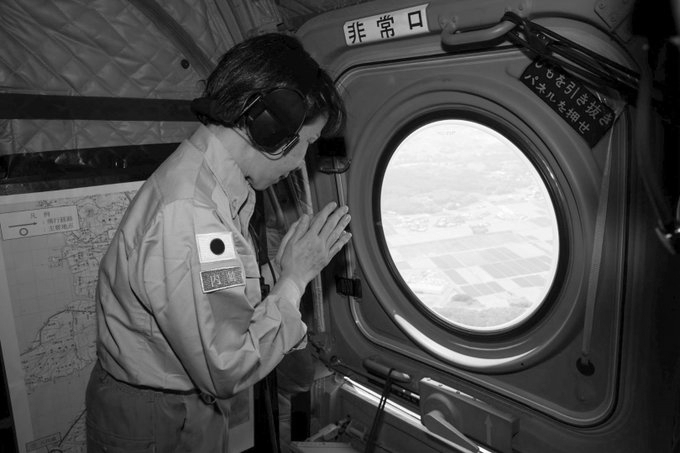
Japanese Prime Minister Sanae Takaichi visited the earthquake-ravaged Kumamoto Prefecture on Monday, as residents began clearing debris and authorities accelerated relief operations under sweltering temperatures. The magnitude 7.1 earthquake struck Kyushu, Japan's southern main island, last Tuesday, leaving dozens dead, damaging thousands of buildings, and creating a humanitarian crisis worsened by extreme heat and water shortages.
According to prefectural officials, the death toll has risen to 38, including one person who reportedly died from heat stroke while sheltering inside a car. Another death is still under investigation. The disaster has also left 114 people injured, while emergency teams continue recovery efforts in affected communities.
Across the region, residents placed heaps of debris, broken furniture, and damaged household appliances outside for collection. Construction of temporary housing has begun in the towns of Uki and Hikawa to accommodate families displaced by the earthquake.
The recovery is being hampered by severe weather and disrupted utilities. More than 46,000 households remain without water, while many areas are also experiencing fuel shortages. The Japan Meteorological Agency has forecast temperatures approaching 40°C, increasing the risk of heat-related illnesses for survivors, volunteers, and rescue personnel.
More than 8,500 people continue to stay in emergency shelters, including community centres, school gymnasiums, and classrooms, many of which lack air conditioning. Others are spending nights in parked cars, public parks, or outside damaged homes. Disaster experts have warned that overcrowded shelters with limited sanitation and privacy can significantly worsen post-disaster health risks.
During her visit, Takaichi toured one of the area's best-equipped shelters featuring cardboard beds, partitions, and air conditioning. However, the visit drew criticism on social media, with some users arguing that it failed to reflect the conditions faced by thousands staying in less-equipped evacuation centres.
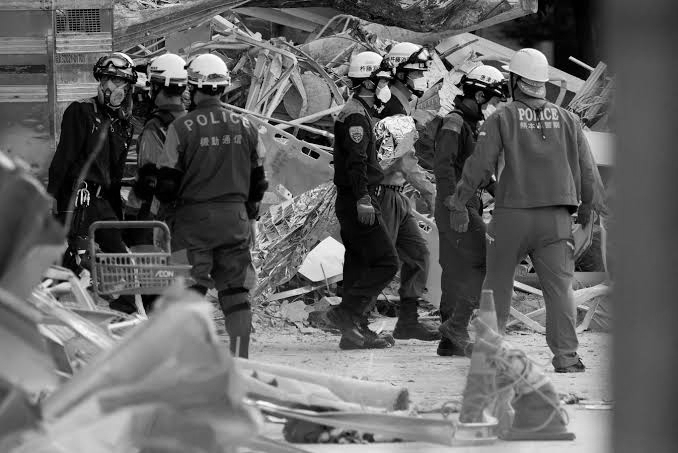
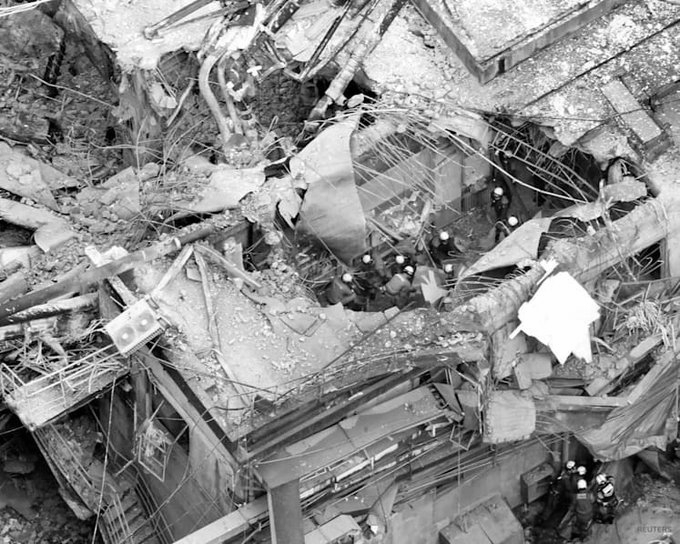
Meanwhile, Habita, a local retailer operating inside the collapsed Aeon Mall in Kashima, acknowledged that it had instructed two employees to return to the damaged building to secure sales proceeds if conditions allowed. Both later died in an explosion believed to have been caused by a gas leak. Company executive Goji Yuse apologised to the family of 22-year-old Kurumi Otake, one of the victims, during her wake.
Authorities said around 3,000 shoppers had been safely evacuated before the explosion, though several employees remained inside. Rescue teams recovered five survivors and the bodies of seven victims from the collapsed mall.
Officials estimate that the earthquake destroyed about 700 homes and damaged more than 11,300 buildings, as recovery operations continue across Kumamoto.