
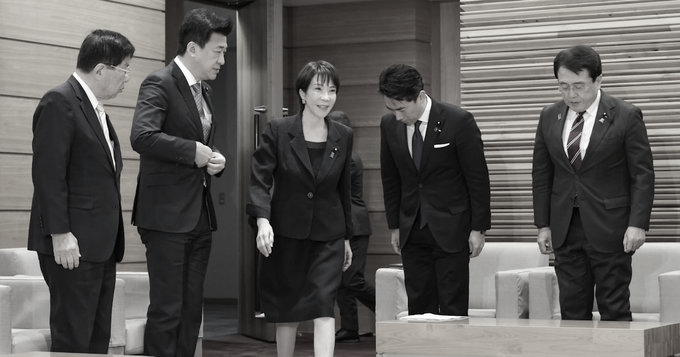
Japan PM Takaichi plans pay cuts for herself, Cabinet ministers to push reform
Japan’s Prime Minister Sanae Takaichi is set to revise the public servant remuneration law to cut salaries for herself and her cabinet ministers, in a symbolic step to promote fiscal reform. The proposal, expected to be introduced during the current parliamentary session, will suspend additional allowances for top officials beyond their regular lawmakers’ pay.
Lawmakers currently earn JPY 1.294 million a month. The Prime Minister receives an additional JPY 1.152 million, and ministers get JPY 489,000 in allowances. Under existing cost-cutting measures, Takaichi already returns 30 per cent of her extra pay and ministers 20 per cent, reducing their allowances to about JPY 390,000 and JPY 110,000 respectively. After the planned revision, these extra allowances will be fully suspended. Even then, Takaichi’s monthly income will remain roughly eight to nine times higher than Japan’s average minimum wage of about JPY 197,000.
The decision comes as Japan faces falling real wages that threaten her government’s “Abenomics”-style growth strategy. By lowering her own pay, Takaichi aims to show empathy with citizens and balance economic stimulus with fiscal discipline.
This is not the first time Japan has taken such steps. Former leaders Yoshihiko Noda and Shinzo Abe also cut salaries after the 2011 Fukushima disaster, and India’s government made similar reductions during the COVID-19 pandemic to fund relief measures.
While the Japan Innovation Party praised the plan as “a wonderful initiative,” some opposition leaders criticized it as reinforcing a deflationary mindset when household incomes are already under strain.