
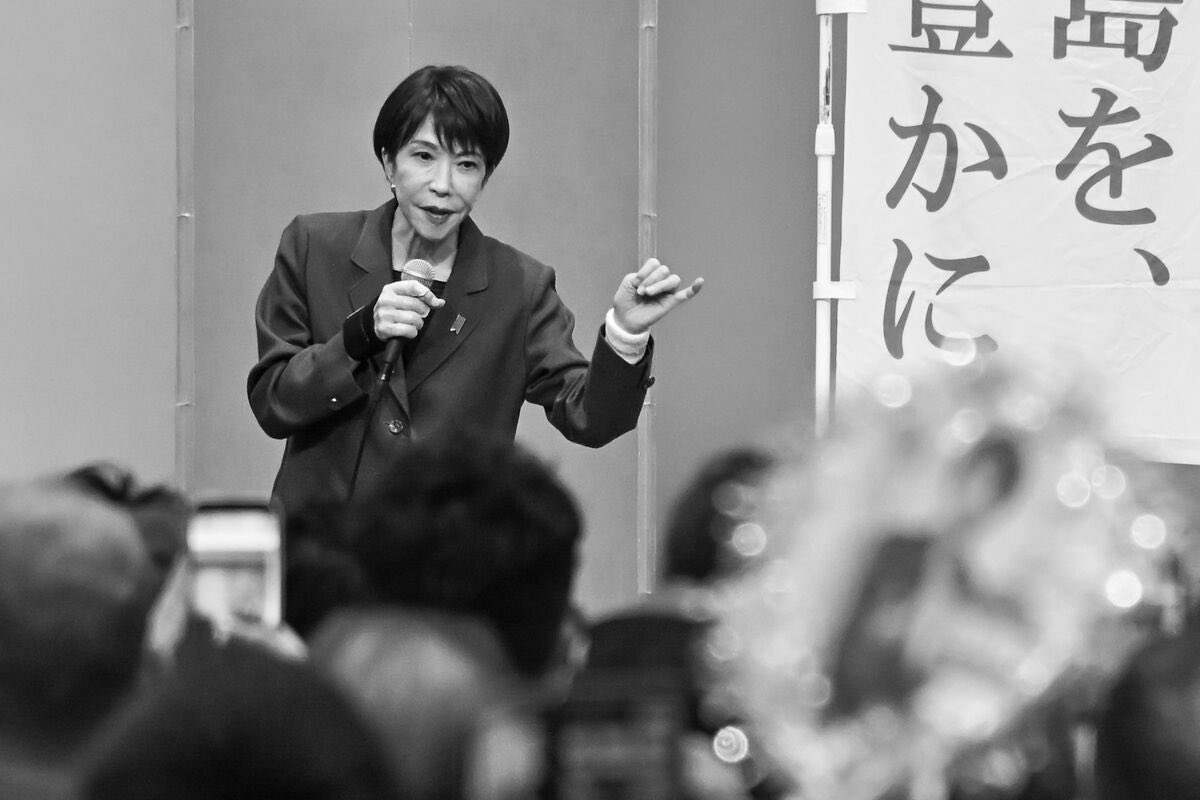
Japan PM Launches Defence Review Panel Amid Rising Regional Threats
Japan has launched a 15-member expert panel to review its security and defence policies , as the country faces escalating regional tensions involving China, North Korea, and Russia.
The panel, inaugurated by Prime Minister Sanae Takaichi , will reassess Japan’s defence strategy, including potential emergency scenarios, military readiness, and long-term security planning. It will also examine defence spending and funding frameworks , with recommendations expected in the coming months.
Takaichi, who took office in October, said the global security environment has changed dramatically, stating that the post-Cold War order has ended . She stressed the need for Japan to adapt to a more unstable world, citing lessons from the Russia-Ukraine war and conflicts in the Middle East, particularly the rise of drone warfare and prolonged conflicts .
Japan’s security concerns are largely driven by its neighbourhood. North Korea’s repeated missile launches remain a direct threat, with several missiles flying over or near Japanese territory in recent years, forcing constant vigilance in Tokyo.
At the same time, China’s military expansion and increased activity in the East China Sea, especially around the disputed Senkaku Islands , have heightened tensions. Frequent encounters between Chinese and Japanese vessels have made the region a persistent flashpoint.
Russia’s growing coordination with China and its military presence in the Asia-Pacific region have also added to Japan’s strategic concerns, particularly as global tensions rise following the Ukraine conflict.
In response, Japan has been steadily strengthening its defence posture. Its 2022 security strategy aims to double defence spending to 2% of GDP , a target already reached, with discussions now underway on possible further increases. The government is also expanding missile defence capabilities and deepening security cooperation with the United States and other allies.
Recently, Japan’s Cabinet also lifted restrictions on exports of lethal weapons , a move welcomed by Western partners but criticised by domestic pacifists and China, which argue it deviates from Japan’s post-war self-defence-only principle .
The new panel is expected to play a key role in shaping Japan’s next phase of defence transformation as it navigates an increasingly volatile and uncertain regional security environment.