
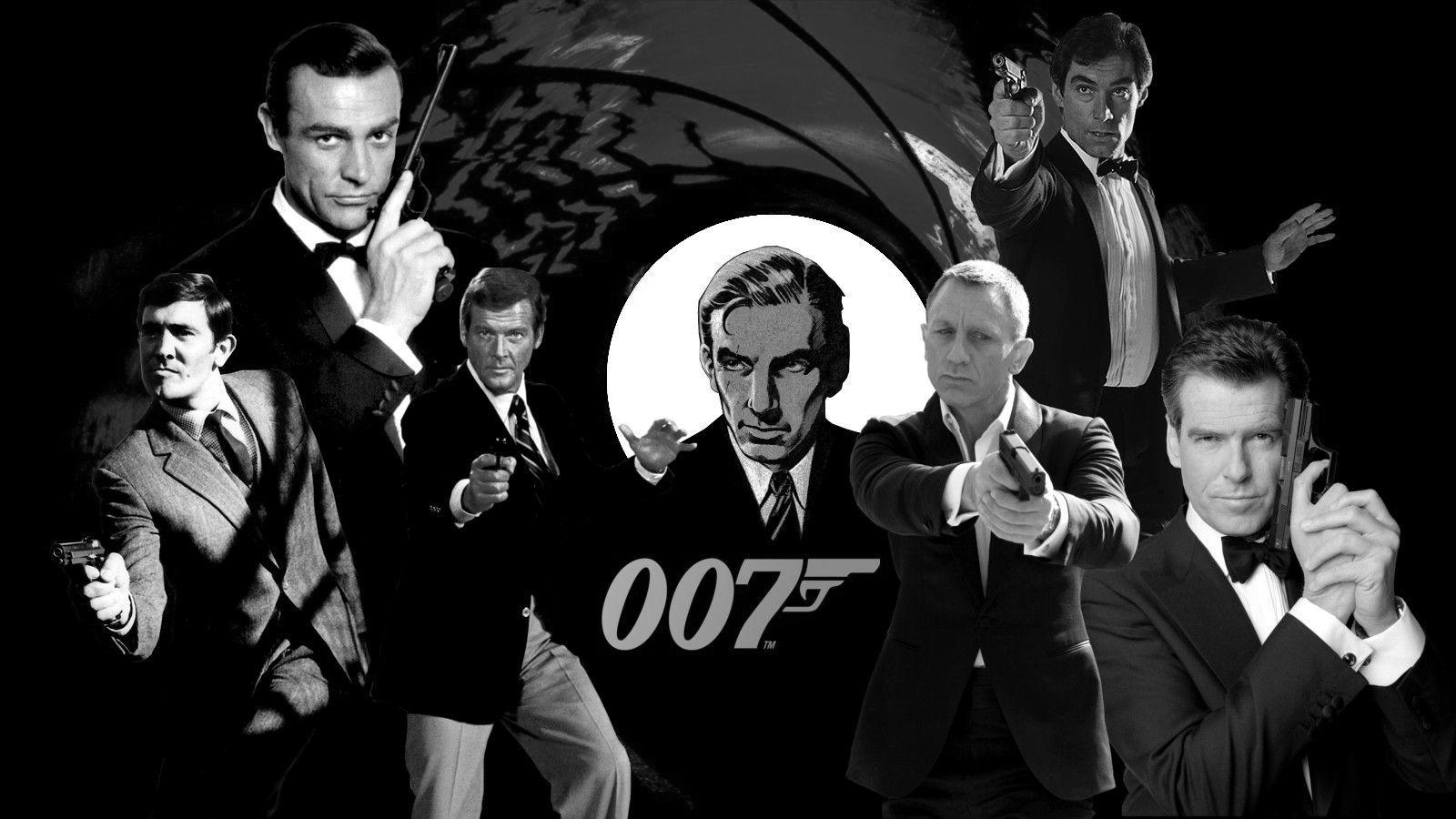
James Bond Films Set to Stream on Netflix from January 2026
James Bond, one of cinema’s most enduring and profitable franchises, is preparing for a high-profile streaming debut on Netflix. Beginning January 15, 2026, several iconic Bond films will be available on the platform across key global markets, marking a significant shift in how the legendary spy’s cinematic legacy is distributed. The move comes through a licensing deal between Netflix and Amazon MGM Studios, which now owns the Bond film library following Amazon’s acquisition of MGM.
Titles confirmed for release include Die Another Day, Quantum of Solace, Skyfall, and No Time To Die. These films will stream on Netflix for a limited three-month window across regions such as the United States, Germany, France, Italy, Switzerland, the Benelux countries, the Nordics, and parts of Latin America, expanding access to the franchise for a global audience.
Despite James Bond’s worldwide popularity, the films have largely remained absent from Netflix until now due to long-standing licensing agreements. Many of these deals were signed years in advance, binding individual titles to different broadcasters and streaming platforms across regions. As a result, the Bond catalogue could not be consolidated on a single global streaming service.
Following Amazon’s acquisition of MGM, Prime Video became the primary streaming home for the Bond films. Amazon adopted a strategy of limited annual releases, typically making the films available around “Bond Day” for short periods. Allowing Netflix access earlier would have weakened Prime Video’s exclusivity at a time when Amazon was still asserting its control over the newly acquired franchise.
The James Bond franchise is also governed by a complex rights structure. While Amazon MGM controls distribution, creative authority remains with Eon Productions and the Broccoli–Wilson family. Any major licensing decision requires multiple approvals, making Bond far less flexible than most studio-owned franchises and contributing to the cautious approach around its streaming availability.
The timing of the Netflix release appears deliberate. With the 26th James Bond film currently in development and Denis Villeneuve attached as director, Amazon MGM is widely seen as using the Netflix deal to reignite global interest in the franchise. Streaming the films on Netflix allows Bond to reach younger viewers and wider international audiences ahead of the next theatrical chapter.
The move also reflects a broader shift in the streaming industry. As subscriber growth slows and production costs rise, studios are increasingly open to licensing even their most valuable properties to rival platforms. For Amazon MGM, short-term licensing offers guaranteed revenue while keeping the Bond brand culturally visible worldwide.
Over six decades, the James Bond series has delivered consistent box-office success and produced multiple cinematic landmarks. Goldfinger (1964) defined the Bond formula and became a cultural milestone, while Thunderball (1965) emerged as the highest-grossing Bond film of its era. GoldenEye (1995) successfully revived the franchise for a post–Cold War audience, restoring Bond’s global appeal.
The modern era, led by Daniel Craig, pushed the franchise to new commercial heights. Casino Royale (2006) rebooted Bond with a grittier, more realistic tone, Skyfall (2012) became the highest-grossing Bond film of all time, and No Time To Die (2021) delivered a rare emotional farewell to a Bond actor while performing strongly at the box office despite pandemic challenges.
The arrival of James Bond on Netflix does not signal a permanent shift away from Prime Video or a move away from theatrical releases. Instead, it represents a calculated balance between exclusivity and exposure. For Netflix, the deal brings prestigious, globally recognised films to its catalogue, while for Amazon MGM, it ensures the Bond franchise remains relevant and visible as the next chapter is prepared. More than 60 years after his screen debut, James Bond continues to adapt, proving that the world’s most famous spy remains very much alive in popular culture.