
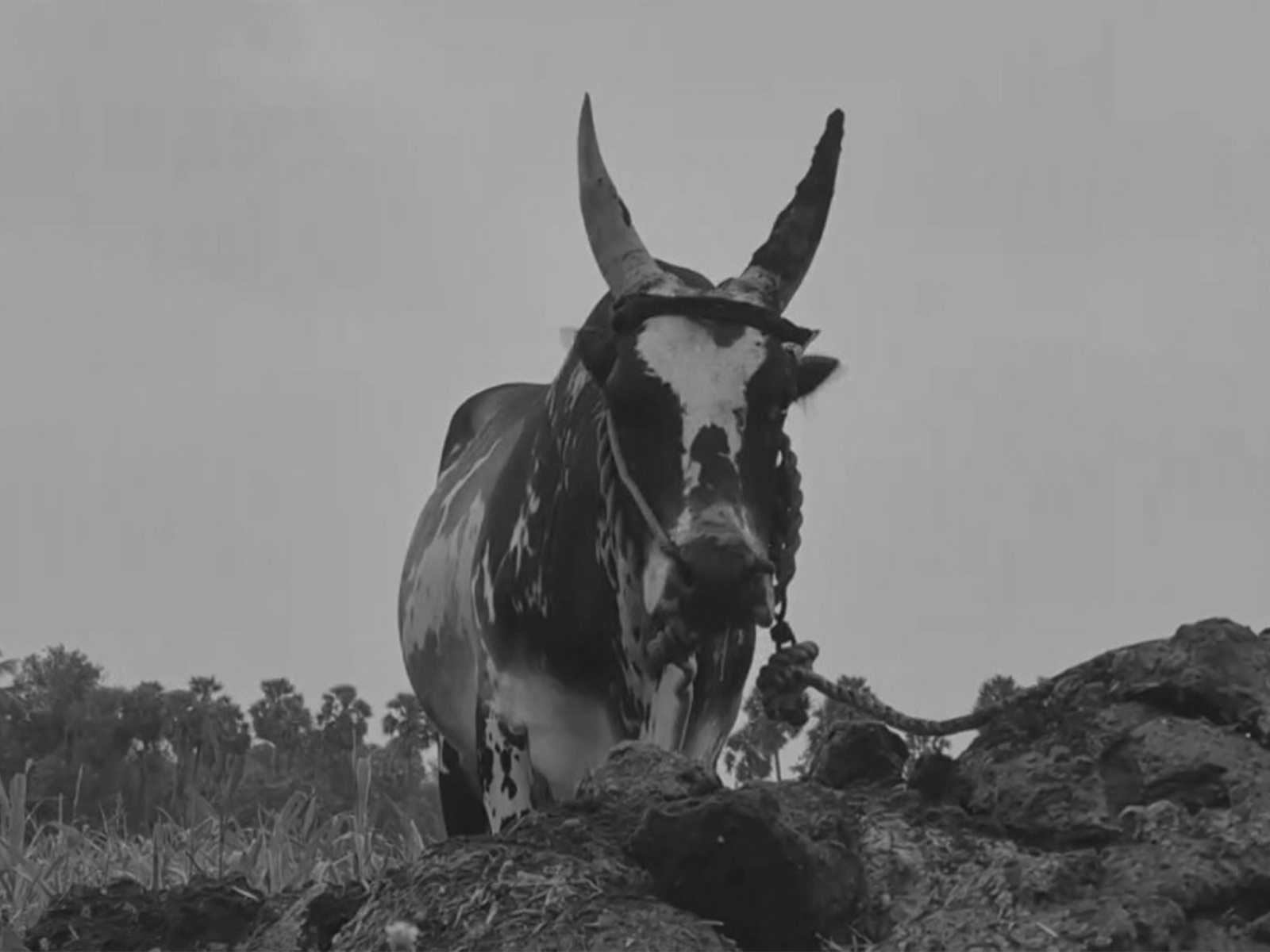
Jallikattu prep intensifies in Tiruchirappalli as bull owners seek support
Bull owners in Sengurichi village of Tamil Nadu’s Tiruchirappalli district have intensified training routines for their bulls ahead of the annual Jallikattu celebrations , underscoring the cultural significance of the sport as well as the economic and safety challenges associated with it.
Bull owner Rajiv said the animals undergo rigorous daily conditioning , including long walks, swimming, sand practice, and training in ploughed fields and temporary arenas to build strength, agility, and endurance .
“We have been raising Jallikattu bulls like members of our family for the past 15 years and maintain more than ten bulls . Every morning, they follow a strict training routine that includes walking, swimming, sand practice, and training in ploughed fields and temporary arenas,” he said.
Traditionally, indigenous breeds such as Pulikulam and Kangayam bulls are used in Jallikattu due to their strength, stamina, agility, and hardy nature . These native breeds , well adapted to the region’s climate and terrain , symbolise Tamil Nadu’s agrarian heritage . Jallikattu has also played a role in preserving indigenous cattle breeds by encouraging farmers to rear strong bulls.
However, bull owners say maintaining and training the animals is increasingly challenging . High costs related to feed, veterinary care, vaccinations, and year-round training , coupled with the absence of regular financial support , have put pressure on livelihoods .
“The government should provide a monthly allowance for the maintenance of Jallikattu bulls . Providing government jobs to winning bull tamers would encourage them and help improve their livelihood. We urge the government to immediately fulfil these demands ,” Rajiv added.
Meanwhile, Jallikattu celebrations have already begun in parts of Tamil Nadu and neighbouring southern states such as Andhra Pradesh and Karnataka . However, safety concerns continue to surround the sport . Last week, at least five people were injured during a Jallikattu event organised as part of Sankranti celebrations in Kotha Shanambatla village of Chandragiri Mandal in Tirupati district .
Experts and organisers have stressed the need for stricter safety measures , including mandatory health checks and training for participants , veterinary screening of bulls , improved arena design with double barricading , controlled bull-release mechanisms , crowd management , and the deployment of emergency medical and veterinary teams at venues.
Jallikattu , also known as Sallikkattu , is a traditional sport of Tamil Nadu celebrated on the third day of Pongal (Mattu Pongal) . The term is derived from jalli (silver or gold coins) and kattu (to tie) . During the event, a bull is released into a crowd, and participants attempt to tame it by holding on to its hump to win the coins tied to its horns. Bulls that perform well in the sport are highly valued and fetch premium prices in the market.
As preparations continue, bull owners and organisers emphasise balancing tradition with modern safety norms to ensure the well-being of participants, spectators, and animals .