
Jaishankar Holds Consultative Committee Meet On India’s West Asia Ties
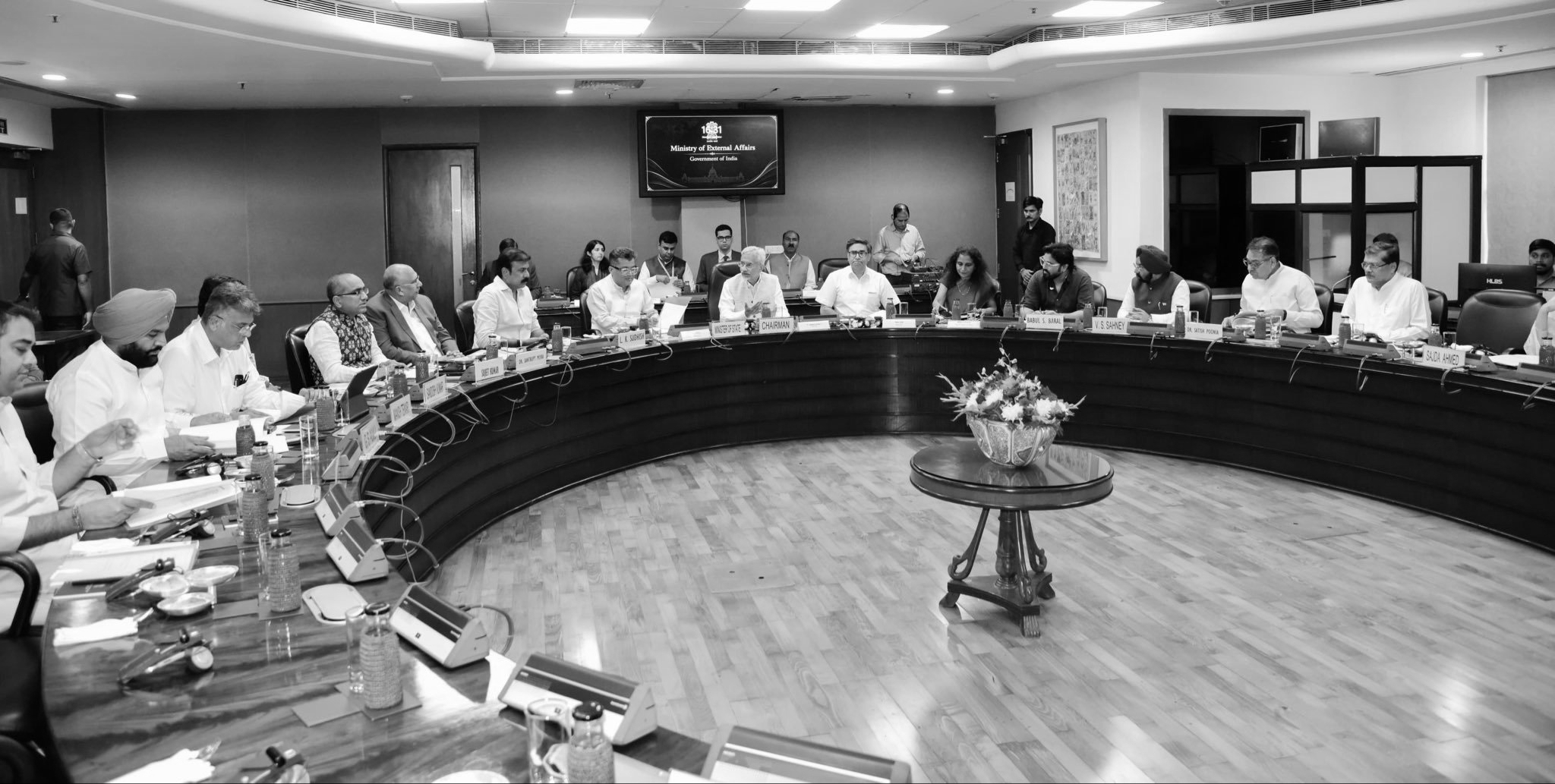
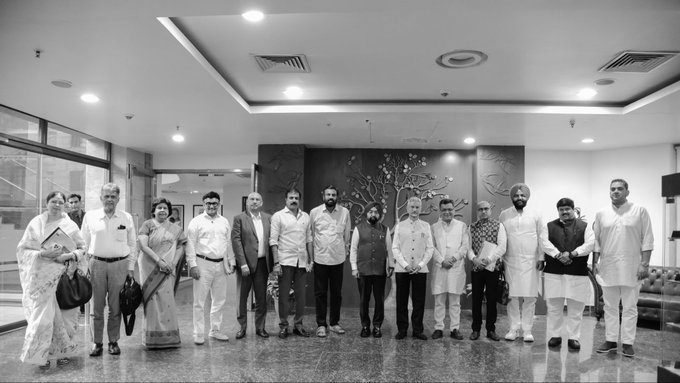
External Affairs Minister S Jaishankar on Monday chaired a meeting of the Consultative Committee on India’s relations with West Asia, briefing MPs on the country’s efforts to protect its strategic and economic interests amid the ongoing conflict in the region.
Jaishankar highlighted India’s close ties with the Gulf and WANA region, including longstanding cooperation in trade, investment, energy, maritime affairs and people-to-people relations. He also underlined efforts to ensure the welfare and safety of around 10 million Indians in the Gulf, besides securing energy and fertiliser supplies and keeping trade and connectivity links moving.
Several MPs raised concerns over the West Asia conflict and its impact on India’s energy requirements. Jaishankar said India was diversifying its energy supply chain to reduce the risks posed by disruptions in the region.
The Gulf remains crucial to India because of its role in supplying oil and gas and as the home of a large Indian diaspora. At the same time, the conflict has highlighted the importance of the Strait of Hormuz, a key route for global energy shipments. Any prolonged disruption could increase shipping costs, affect supplies and put pressure on energy prices.
Sources said Jaishankar told the meeting that India is among the countries maintaining good relations with both the United States and Iran, giving New Delhi diplomatic space to protect its interests amid heightened tensions. India’s ties with the US are important for defence, technology, trade and investment, while Iran remains significant for energy, regional connectivity and projects such as Chabahar Port.
The minister also discussed the challenge posed by US sanctions on Iranian energy and other products, while stressing that India has strengthened its political engagement with countries in the region.
Some MPs raised concerns over the Makkah Joint Defence Agreement signed by Pakistan, Saudi Arabia and Turkiye on August 7. Under the pact, an attack on one signatory would be treated as an attack on all three.
The discussions come as India seeks to balance its strategic partnerships while protecting energy security, trade, connectivity and the interests of its citizens during the continuing West Asia crisis.