
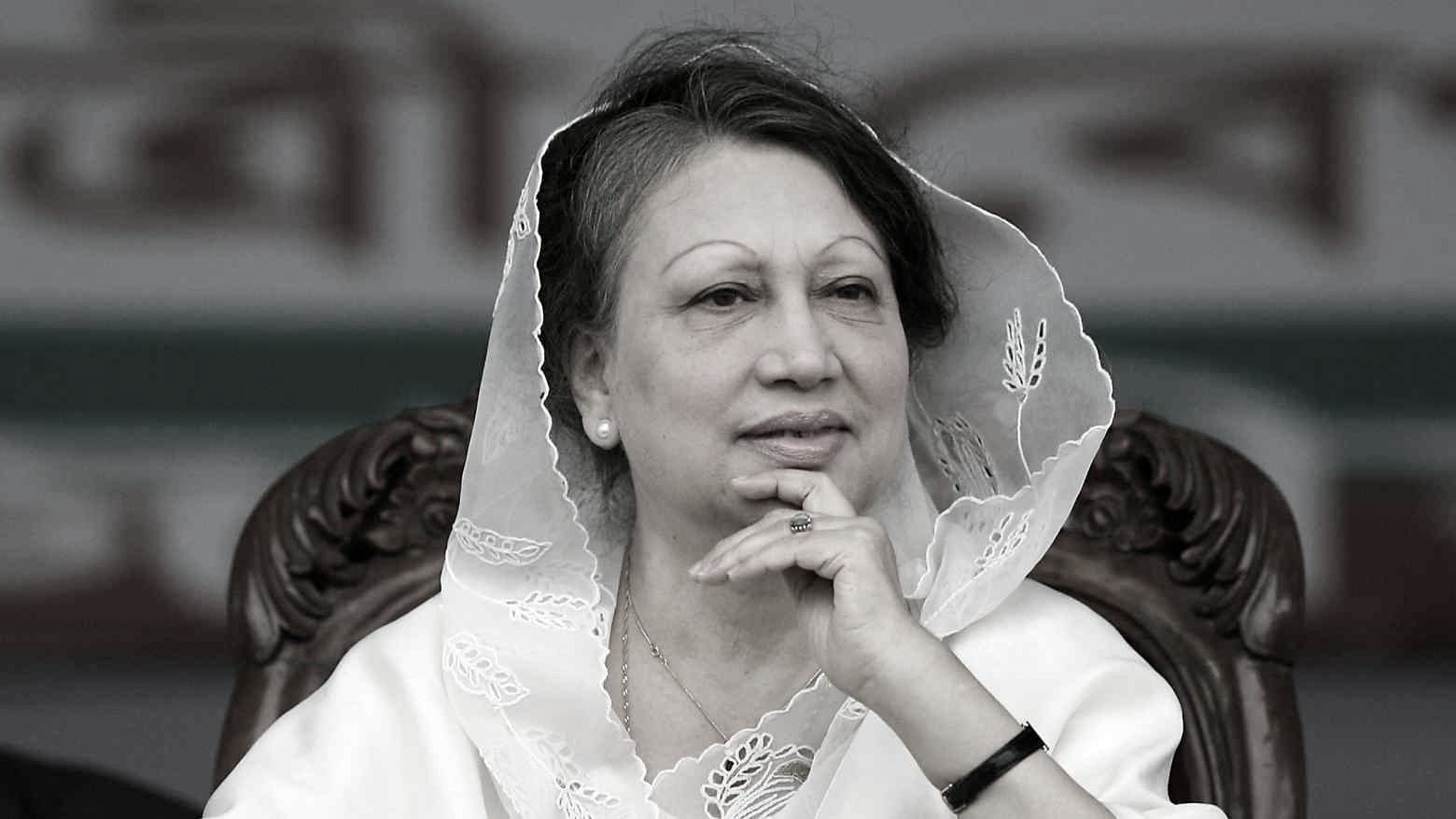
Jaishankar attends Khaleda Zia’s funeral in Dhaka amid diplomatic sensitivity
India’s External Affairs Minister S. Jaishankar attended the funeral of former Bangladesh Prime Minister and long‑time BNP chairperson Begum Khaleda Zia in Dhaka on Tuesday, signalling New Delhi’s engagement with key political figures in the region during a delicate phase of Bangladesh’s politics.
Upon arrival, Jaishankar met with BNP acting chairman Tarique Rahman and conveyed India’s condolences to the party and Zia’s family. Officials said he expressed hope that Zia’s political legacy would help foster constructive dialogue and stronger bilateral ties between India and Bangladesh.
Khaleda Zia died at the age of 80 after a prolonged illness that saw her battling multiple health issues. A towering figure in Bangladesh’s political history, she served as prime minister in the 1990s and again in the early 2000s, shaping the country’s post‑independence trajectory and leading the centre‑right Bangladesh Nationalist Party for decades.
Zia’s final years were marked by legal battles and restrictions. In 2018, she was convicted and jailed on corruption charges related to the Zia Orphanage Trust and Zia Charitable Trust graft cases, which accused her of misusing funds and abusing power. Amid deteriorating health and the onset of the COVID‑19 pandemic, her prison sentence was suspended in March 2020 and she was released on humanitarian grounds. Under strict conditions, she was placed under house arrest barred from travelling abroad and from engaging in active politics and remained confined to her home until her release in August 2024 following mass protests that led to the ouster of former prime minister Sheikh Hasina.
The funeral drew a wide array of regional dignitaries and delegations, including representatives from Pakistan, Nepal, Sri Lanka, Bhutan, and the Maldives, reflecting Zia’s enduring influence across South Asia. Leaders of political parties, diplomats and thousands of supporters also paid their respects in Dhaka.
The ceremony took place amid reports that staff from the Bangladesh High Commission in India were recently recalled to Dhaka, a development seen by some analysts as part of broader diplomatic recalibrations. Officials in both countries have described the movement of personnel as routine, but the timing has added a layer of complexity to Jaishankar’s visit.
Also noted in media coverage was the compassionate care Zia received in her final days from her Hindu nurse, Trina Roy a human‑interest detail that drew attention amid ongoing discussions about social harmony in Bangladesh.
Jaishankar’s attendance at the funeral is being interpreted as a gesture of respect and an effort to maintain engagement with all major political stakeholders as Bangladesh navigates a sensitive period of political realignment and prepares for elections that could influence regional dynamics.