
IUCN grades KNP ‘Good’ in global heritage outlook
In a major achievement for India’s environmental conservation efforts, the Khangchendzonga National Park (KNP) in Sikkim has been recognised by the International Union for Conservation of Nature (IUCN) as one of the ‘Best Managed Protected Areas’ in the world. The park has also received a ‘Good’ rating in IUCN’s 2025 Global Review of Natural World Heritage Sites making it the only site in India to secure this prestigious grade.
State Forest and Environment Minister Pintso Namgyal Lepcha hailed the recognition as a moment of pride for Sikkim. He said the honour reflects Sikkim’s holistic approach to conservation, where nature and local culture coexist in harmony, adding that the dedication of forest officials and staff played a key role in achieving this milestone.
The IUCN World Heritage Outlook, launched in 2014, is a global assessment tool that reviews the current status, threats, and conservation prospects of all natural and mixed World Heritage Sites. Each site is evaluated by independent experts using verified evidence, helping track conservation trends over time and measure management effectiveness.
The recognition underscores the commitment of both the Sikkim government and the Centre to preserving biodiversity, promoting sustainable ecosystem management, and encouraging community-driven environmental protection.
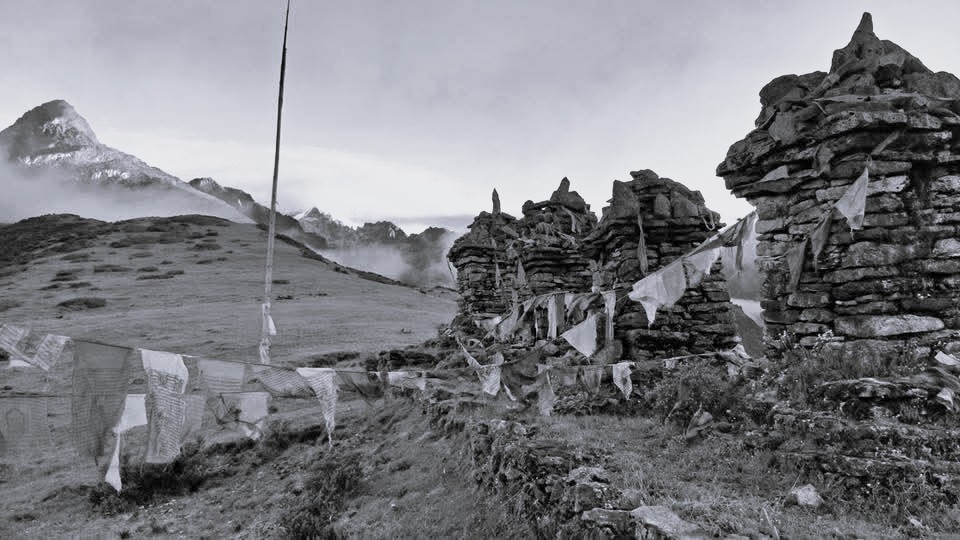
Located in the Eastern Himalayas, Khangchendzonga National Park spans around 1,784 sq. km and includes the majestic Mount Khangchendzonga (8,586 m) the world’s third-highest peak. The park is celebrated globally for its pristine glaciers, alpine meadows, diverse wildlife, and stunning landscapes.
What sets KNP apart is its unique combination of natural beauty and cultural significance, making it not just an ecological treasure but also a spiritual heritage site for local communities.
In 2016, the park was inscribed as a UNESCO World Heritage Site under the Mixed Heritage Category, the first such site in India. This acknowledged both its ecological richness and its deep spiritual importance in Himalayan culture.
The latest IUCN recognition places Khangchendzonga National Park among the world’s best examples of sustainable conservation. It demonstrates how scientific management, traditional knowledge, and community involvement can work together to protect fragile mountain ecosystems.
As the world faces increasing environmental challenges, Sikkim’s model of conservation is now being viewed as a powerful example for other regions to follow.