
ISRO's new satellite aims to bridge India's digital divide
In a move set to revolutionize India's telecommunications landscape, the Indian Space Research Organisation (ISRO) is preparing for a major rocket launch aimed at providing internet and mobile connectivity to remote and underserved areas, bypassing the need for conventional mobile towers. The mission, slated for the second week of October, will be launched from the Satish Dhawan Space Centre (SDSC) in Sriharikota.
ISRO is set to deploy the LVM-3M5 rocket, a variant of its powerful LVM-3 series, to launch a communication satellite into orbit. According to reports, the rocket will carry the indigenous CMS-02 communication satellite, as well as a 6,500 kg Black-2 BlueBird satellite developed by U.S.-based AST SpaceMobile. The foreign satellite is expected to arrive in India by the end of this month. The LVM-3, a workhorse for ISRO, has proven its reliability in previous missions, and its robust payload capacity makes it the ideal choice for launching heavy communication satellites like this.
This mission holds immense significance for bridging India's "digital divide." Millions of people in rural, mountainous, and tribal regions currently live in a connectivity vacuum, unable to access online education, telemedicine, or digital financial services. The successful launch of this satellite is anticipated to enable direct-to-mobile connectivity, allowing smartphone users to make calls and access broadband internet without relying on ground-based infrastructure. This new technology is designed to bring high-speed internet services to India's most remote regions, including deep valleys, mountainous terrain, and dense forests, where traditional network coverage is sparse.
The collaboration with AST SpaceMobile also highlights India's growing stature in the global commercial space market. The partnership signifies the trust that international companies have in ISRO's cost-effective and highly reliable launch services.
How its different from Starlink
• Status: Starlink has received a Unified License from India's Department of Telecommunications (DoT) to operate in the country. The company is now in the trial phase.
• Operational Model: Starlink's service relies on a constellation of thousands of Low Earth Orbit (LEO) satellites to provide high-speed, low-latency internet. All user data is required to be routed through ground stations within India to comply with local regulations.
• Launch Timeline: The commercial launch of Starlink services is anticipated by the end of 2025. The company is currently holding talks with major telecom companies like Jio and Airtel and is finalizing locations for its ground station gateways across the country
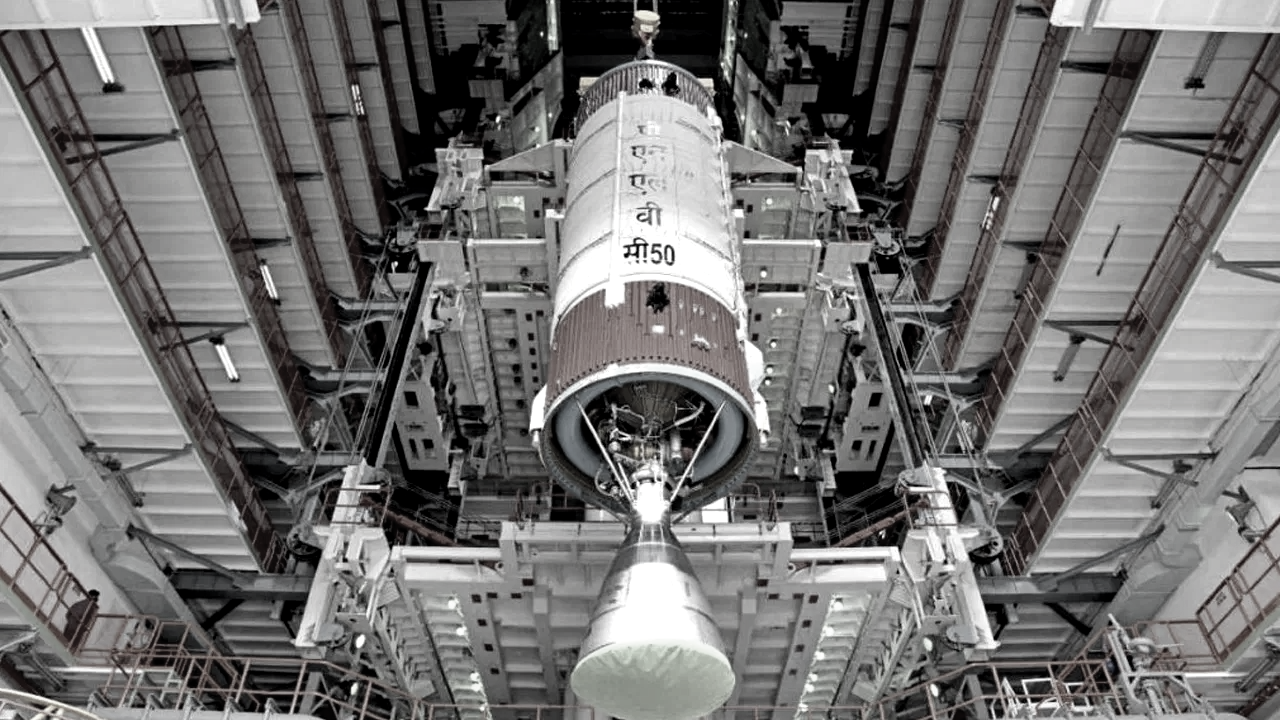
ISRO scientists have been working intensively on the final assembly of the LVM-3M5 rocket at the Vehicle Assembly Building in Sriharikota. The process involves meticulous integration of the rocket stages and the satellite fairing to ensure mission success. While the mission is planned for the second week of October, specifically between October 15 and 19, the final launch date is yet to be officially announced by ISRO. The mission's success would not only mark a significant leap forward in expanding digital access but also reinforce India’s position as a key player in the global space and technology sectors. It represents a crucial step towards a more connected and equitable future for all of India's citizens.