
Israel’s aid entry figures under scrutiny as deliveries miss ceasefire benchmark
Aid deliveries into Gaza are falling sharply below the levels required under the US-brokered October ceasefire, according to an Associated Press analysis of Israeli military data, intensifying an already severe humanitarian crisis for the strip’s 2 million residents.
Under the ceasefire agreement between Israel and Hamas, Israel was required to allow 600 trucks of aid per day into Gaza. But figures provided by COGAT, the Israeli military body that oversees entry of humanitarian supplies, indicate that only 459 trucks a day entered the territory on average between October 12, when the aid flow resumed, and Sunday.
COGAT said that around 18,000 food-aid trucks have crossed into Gaza since the ceasefire began, making up 70% of all deliveries during the truce. Including non-food items such as shelters and medical supplies, the total number of aid trucks is estimated at just over 25,700 significantly below the 33,600 trucks that should have arrived under the agreement.
In response to the AP findings, it was maintained by COGAT on Wednesday that daily truck entries exceeded 600, though no explanation was given for the mismatch, and raw entry data was not released. COGAT had issued daily truck updates during the war but stopped doing so once the ceasefire took effect, a shift that rights groups say is significant because Israel controls all major crossings and has exclusive access to detailed entry logs.
The United Nations and several humanitarian organisations have consistently argued that far fewer trucks are entering Gaza than Israel claims. UN data shows that only 6,545 trucks were offloaded between the start of the ceasefire and December 7 roughly 113 trucks per day . A document provided by Hamas to AP puts the figure at 7,333 trucks since the truce began.
This week, the UN Office for the Coordination of Humanitarian Affairs (OCHA) described an “urgent” and “dire” need for increased flows, saying Israeli restrictions were creating serious bottlenecks that hampered relief operations.
Aid groups warn that the shortfall is having catastrophic consequences for civilians, many of whom were displaced during the war. Food remains scarce, and several areas continue to struggle with famine-level conditions.
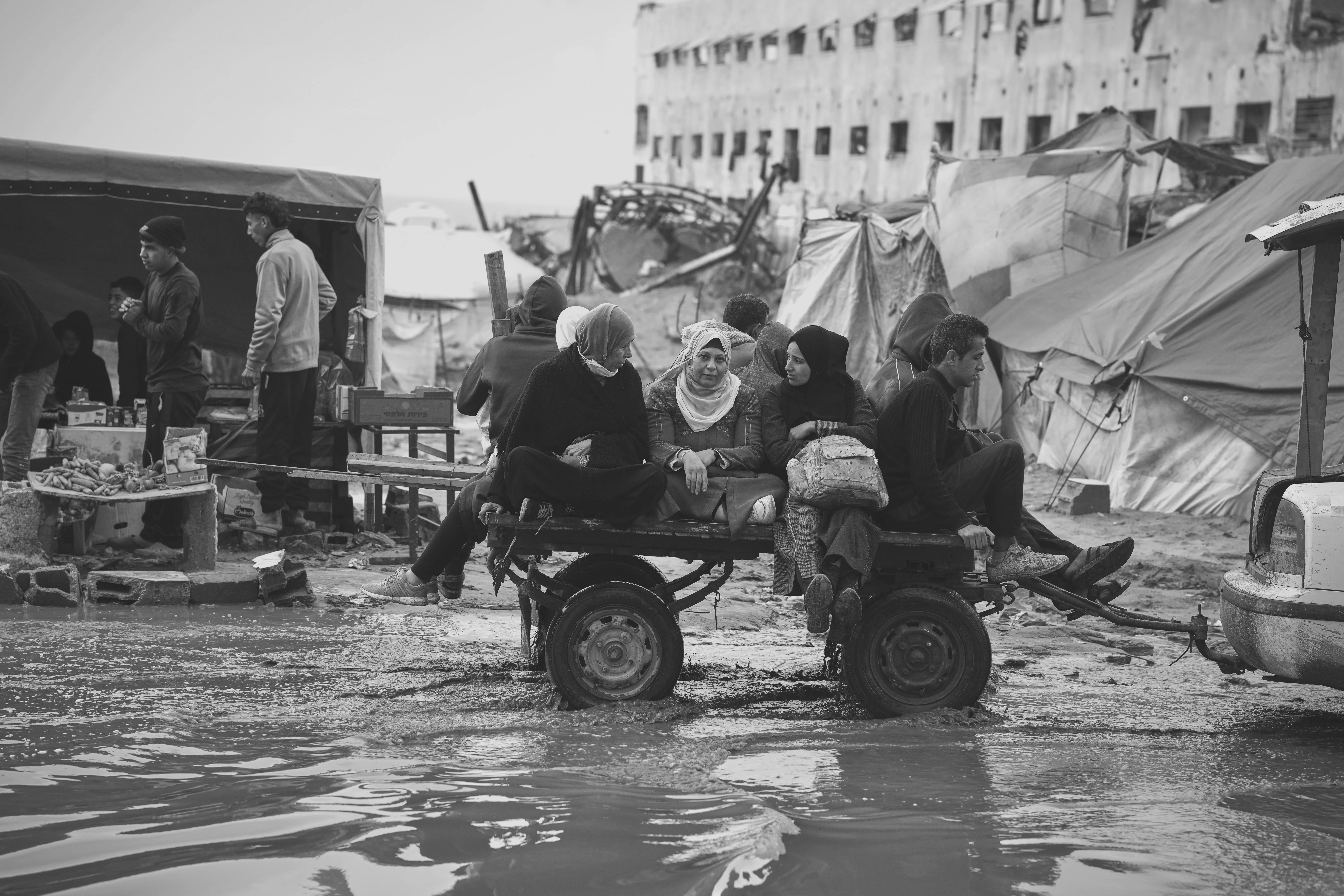
A recent UNICEF assessment found that starving mothers are giving birth to malnourished babies , with some infants reported to have died in hospital. Winter rains have worsened conditions for families living in makeshift tents, who remain exposed to cold winds, flooding and a severe lack of basic supplies.
According to UNICEF, “needs far outpace the humanitarian community’s ability to respond,” with aid delivery hindered by insecurity, customs delays, rejected cargo and limited internal routes for transporting supplies.
Aid entry has also been paused at least once by Israel during the truce, following what Israeli authorities described as violations by Hamas. Israel has said Hamas failed to return the bodies of hostages within the timeframe set by the agreement. Hamas has countered that widespread destruction in Gaza has complicated search efforts and has accused Israel of violating the ceasefire through slow aid clearance, closure of the Rafah crossing and continuing deadly strikes.
Since the ceasefire began on October 10, the price of a 12-kilogram cooking gas cylinder has surged to 1,314 shekels (USD 406) nearly 18 times the pre-war cost. With gas now unaffordable, many families have turned to firewood to cook and keep warm.
“We are living under the rubble and sleeping on torn sheets,” said 62-year-old Marwan Abed from Jabaliya. He added that firewood is now the only way to heat the home and prepare food and drinks for his family.
A dispute continues over the remains of Ran Gvili, the last hostage whose return Israel says is required before the ceasefire can move into its second phase. Prime Minister Benjamin Netanyahu’s office said on Wednesday that phase two would begin “once phase one is completed.”
Disputes over humanitarian access have been central to the Gaza conflict for years. During the war, aid agencies repeatedly criticised Israel for heavy restrictions at border crossings, which resulted in severe shortages of food, fuel and medical supplies. Israel argued that strict inspections were necessary to prevent weapons smuggling. The resulting bottlenecks often left aid trucks stranded for days at Kerem Shalom and Rafah.
Current delays mirror those earlier patterns, aid groups say, pointing to systemic obstacles that have persisted despite the ceasefire prolonging hardship for Gaza’s already vulnerable population.