
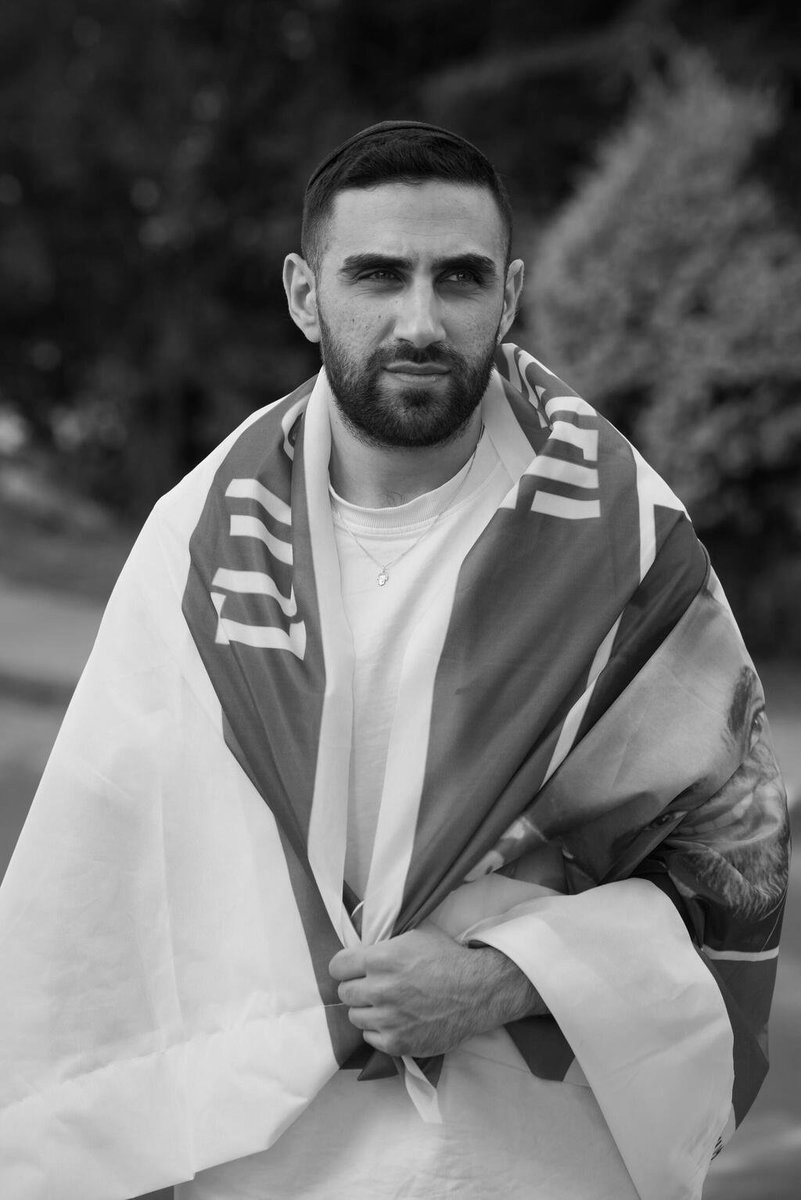
Israeli hostage Segev Kalfon recalls two years in Hamas captivity as Gaza recovers
Two months after his release from Hamas captivity, Segev Kalfon says the war may have ended on the ground, but it continues inside his mind.
Kalfon, 27, was freed on October 13 as part of a U.S.-brokered ceasefire that brought an end to nearly two years of fighting between Israel and Hamas. He spent 24 months confined in a narrow underground tunnel in Gaza, where he says he endured starvation, illness and repeated physical abuse.
“Every night I go back there,” Kalfon said, describing recurring flashbacks of the two-square-metre room where he was held with five other hostages. “The war is over, but now my war is with my soul.”
Before being taken hostage during the October 7, 2023 attack on Israel, Kalfon worked at his family’s bakery in Arad and was studying finance. He was attending the Nova music festival when Hamas-led militants stormed the area, killing about 1,200 people and abducting roughly 250 others.
Kalfon recalls attempting to help fellow festival-goers escape as rockets and gunfire intensified. After his release, he learned that a group of people he had urged to flee with him were later killed.
During his captivity, Kalfon said food and water were rationed to a single meagre serving per day. He described being beaten with bicycle chains and suffering untreated illnesses, including COVID-19. For months, he said, he was held in isolation, unsure if he would survive.
“We were underground, 30 metres below the surface,” he said. “No one could hear you. No one knew if you were alive.”
Kalfon said faith played a crucial role in sustaining him and the other hostages. They marked Jewish holidays with whispered prayers, using scraps of toilet paper as skullcaps and drops of water in place of wine. At one point, he said, he heard his mother’s voice on a radio signal that briefly picked up Israeli broadcasts — a moment he describes as lifesaving.
Hamas released Kalfon along with 19 other living hostages during the ceasefire, which was mediated by the United States with backing from regional actors. The agreement halted large-scale hostilities and opened limited humanitarian access to Gaza.
Israel’s military campaign in Gaza killed more than 71,000 Palestinians, according to Gaza’s Health Ministry, which does not distinguish between civilians and combatants. The ministry operates under the Hamas-run administration but its casualty figures are widely used by international agencies.
Since the ceasefire took effect, international efforts have focused on stabilising Gaza and beginning early recovery, though progress remains fragile.
The United Nations and humanitarian organisations have expanded emergency aid deliveries, including food, medical supplies and temporary shelter. Engineering teams have begun clearing unexploded ordnance and debris in select areas to allow displaced residents to return.
Several donor countries have pledged reconstruction funding, prioritising hospitals, water systems and electricity networks. However, full-scale rebuilding has not yet begun, pending agreement on Gaza’s long-term governance and security arrangements.
Discussions involving the U.S., regional Arab states and international institutions are ongoing to establish a stabilising administrative and security framework. Proposals include an interim international or regional supervisory mechanism, with the Palestinian Authority potentially playing a role in civil governance, though no final structure has been agreed upon.
Israeli officials have said Hamas must be prevented from rearming, while aid agencies warn that delays in reconstruction could deepen humanitarian suffering and instability.
Back in Dimona, Kalfon spends his days attending medical and psychological appointments as he adjusts to life outside captivity. Diagnosed with post-traumatic stress disorder even before his abduction, he now struggles with sleep, anxiety and sudden flashbacks.
“Everyone calls me a hero,” he said. “But I don’t feel like one. I just wanted to survive.”
Kalfon has begun speaking publicly about his experience, saying he feels compelled to counter disbelief and hostility he has encountered since his release.
“I’m proof that it happened,” he said. “I felt it in my body. I saw it with my own eyes.”
As Gaza faces the long road to recovery and families on both sides grapple with loss, Kalfon says his focus remains on healing and on ensuring the stories of those who did not return alive are not forgotten.