
Israel Records High Voter Turnout As Country Awaits Crucial Election Results
Israel's election is a defining moment for the country's political future, security strategy and international standing. Israelis are voting after years of conflict, including the October 7, 2023, Hamas-led attacks, the subsequent war in Gaza and military confrontations with Iran. The outcome will determine whether Prime Minister Benjamin Netanyahu remains in power and how Israel responds to its mounting challenges.
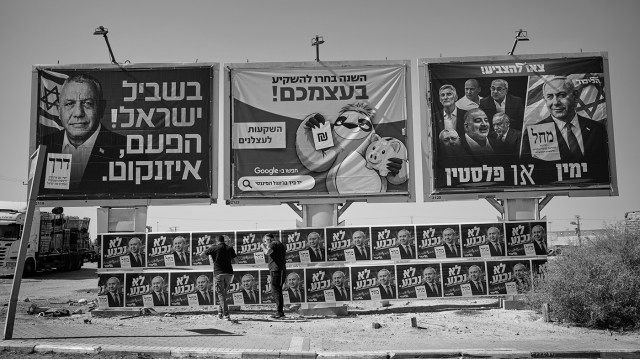
More than 7.3 million eligible voters are choosing representatives for the 120-member Knesset, with 37 parties and electoral lists competing. Opinion polls suggest a close contest between Netanyahu's Likud party and the opposition led by former military chief Gadi Eisenkot. Neither side has a clear path to a majority, making coalition negotiations crucial.
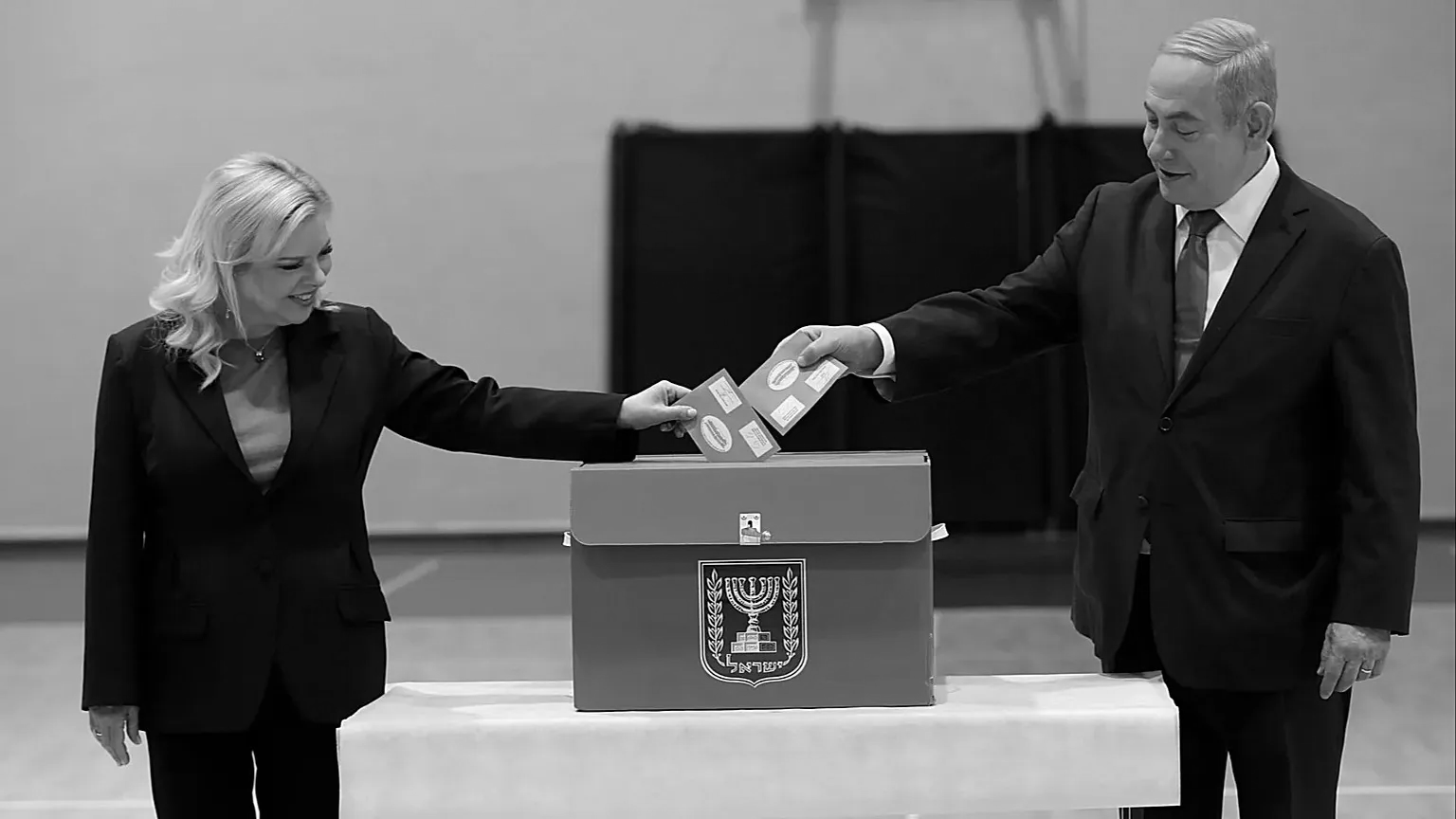
Voter participation has surged. Turnout reached 31.5 per cent by noon, the highest midday figure since 1977, before rising to 44.9 per cent by 2 pm and 55.7 per cent by 4 pm. The strong participation reflects the election's importance after years of war, political division and public anger.
Despite Israel's technological advancement, the election relies on paper ballots, which are counted manually after polling stations close at 10 pm local time. Exit polls are expected to provide the first indications of the outcome that night, followed by preliminary results as counting progresses. However, the final results may take several days because ballots cast by soldiers, reservists, hospital patients and other eligible voters require additional verification. These double-envelope ballots must be checked to prevent duplicate voting while maintaining ballot secrecy, and they could influence the final distribution of seats. The official results are expected by November 4, but forming the next government could take weeks because the winning bloc must secure the support of at least 61 lawmakers in the 120-seat Knesset.
Netanyahu began election day with an urgent appeal to right-wing voters, warning that left-wing and Arab voters were mobilising. Backed by US President Donald Trump, he presented himself as the leader best equipped to protect Israel. However, critics blame his government for the security failures surrounding October 7, the prolonged Gaza war and the unresolved hostage crisis. His opponents also accuse his coalition of weakening democratic institutions and deepening Israel's international isolation. Netanyahu denies the corruption charges he faces.
The wars in Gaza and Iran dominate the campaign. Israel's military operations have devastated Gaza, but Hamas's continued presence raises questions about whether its military and governing structures can be dismantled. Reports that Netanyahu explored another strike on Iran shortly before the election, reportedly encountering objections from military leaders, have further highlighted the Iranian threat.
Eisenkot, leader of the Yashar party, promises leadership change and accountability for the October 7 failures. The former Israel Defense Forces chief lost his son, Gal Meir Eisenkot, during fighting in Gaza in December 2023. He has pledged to dismantle Hamas's military and governing capabilities within 18 months of forming a government.
However, Eisenkot does not offer a complete break with Netanyahu's security policies. He also considers Iran's nuclear programme a major threat and opposes Palestinian statehood under current circumstances, although he has criticised settler violence against Palestinians in the occupied West Bank.
Other issues include military-service exemptions for ultra-Orthodox men, judicial independence, far-right influence and Israel's international reputation. Arab citizens' participation could also affect the result.
Israel's proportional parliamentary system requires a governing coalition to secure at least 61 of the 120 Knesset seats. Winning the most seats does not automatically guarantee the premiership. If neither bloc assembles a majority, coalition negotiations could leave Netanyahu as caretaker prime minister.
The election is about more than Netanyahu's survival. It will shape Israel's approach to Gaza, Iran, the Palestinians and Washington, while testing whether new leadership can address security failures, domestic divisions and international isolation. Even a change of government may not immediately transform the country's hardline security policies.