
Israel calls out Pakistan’s double standards at UN
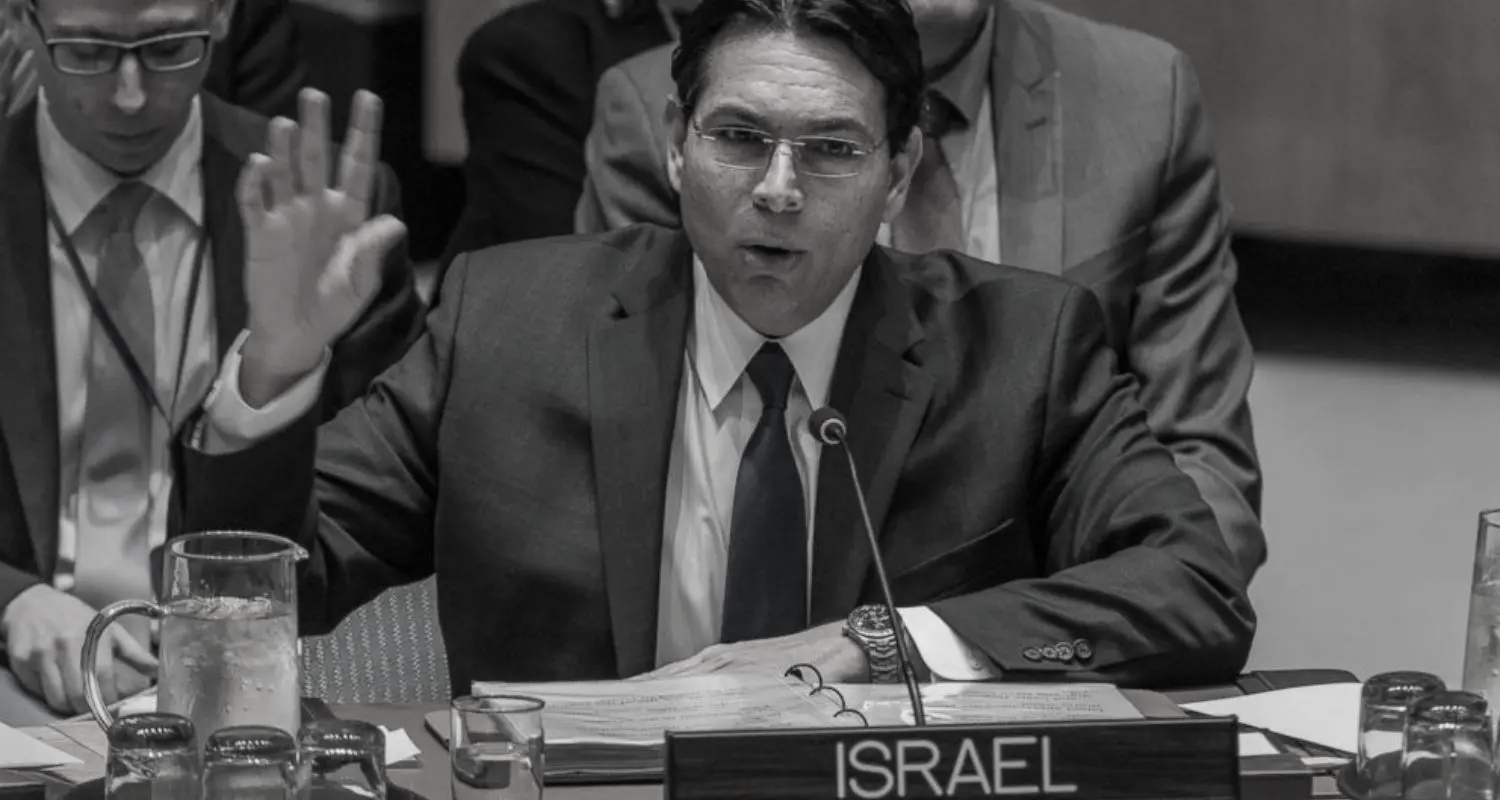
In a tense showdown at the United Nations Security Council, Israel accused Pakistan of applying double standards in handling global terrorism. The confrontation unfolded during a debate over Israel’s targeted strikes against Hamas leaders in Qatar, highlighting a deep divide in perspectives on international law and counter-terrorism.
Israel’s Permanent Representative to the UN, Ambassador Danny Danon, directly challenged Pakistan, stating that the world cannot ignore the fact that Al-Qaeda chief Osama bin Laden was sheltered and eventually killed on Pakistani soil. He emphasized that when the United States conducted the operation to eliminate bin Laden in Abbottabad in 2011, there was no global outcry over targeting a terrorist on foreign territory. “No one asked why a terrorist was targeted abroad; the question was, why was he given shelter in the first place?” Danon said, pointing to what he described as Pakistan’s inconsistent approach toward terrorism.
Pakistan’s UN envoy, Asim Iftikhar Ahmad, fired back, condemning Israel’s actions in Doha as “illegal and unprovoked aggression.” He accused Israel of repeatedly violating international law through military actions in Gaza and cross-border attacks in Syria, Lebanon, Iran, and Yemen. Ahmad argued that Israel’s accusations were an attempt to mask its own violations of the UN Charter and international norms.
Danon’s response was sharp and pointed, framing the dispute as a matter of double standards. “You cannot change the fact that 9/11 happened, nor that bin Laden was in Pakistan,” he said. “When Israel acts against terrorists, it faces condemnation, yet when similar actions occur elsewhere, the world remains silent. That is the problem with selective accountability.”
The confrontation at the UN coincided with the 24th anniversary of the 9/11 attacks, drawing attention to how the world views terrorism and counter-terror operations differently depending on geography and politics. The clash underscores the broader challenge of establishing consistent global norms against terrorism while balancing accusations of aggression and violations of international law.
Analysts note that this exchange is likely to deepen diplomatic tensions between Israel and Pakistan, while also putting the UN’s credibility under scrutiny. With regional security remaining fragile, the debate highlights a stark reality: nations often interpret international law through the lens of political interest, making genuine accountability difficult. For Israel, this confrontation was a way to reaffirm that no nation can be above scrutiny in harboring terrorists. For Pakistan, it represents a continuing narrative of resistance against what it sees as biased international criticism.
As the world watches, the question remains: can the UN bridge these gaps in perception, or will double standards continue to dominate discussions on global terrorism and justice?