
Israel Bombed Lebanon Because It Can. Killed Hundreds Because It Can. Maimed Thousands Because It Can.
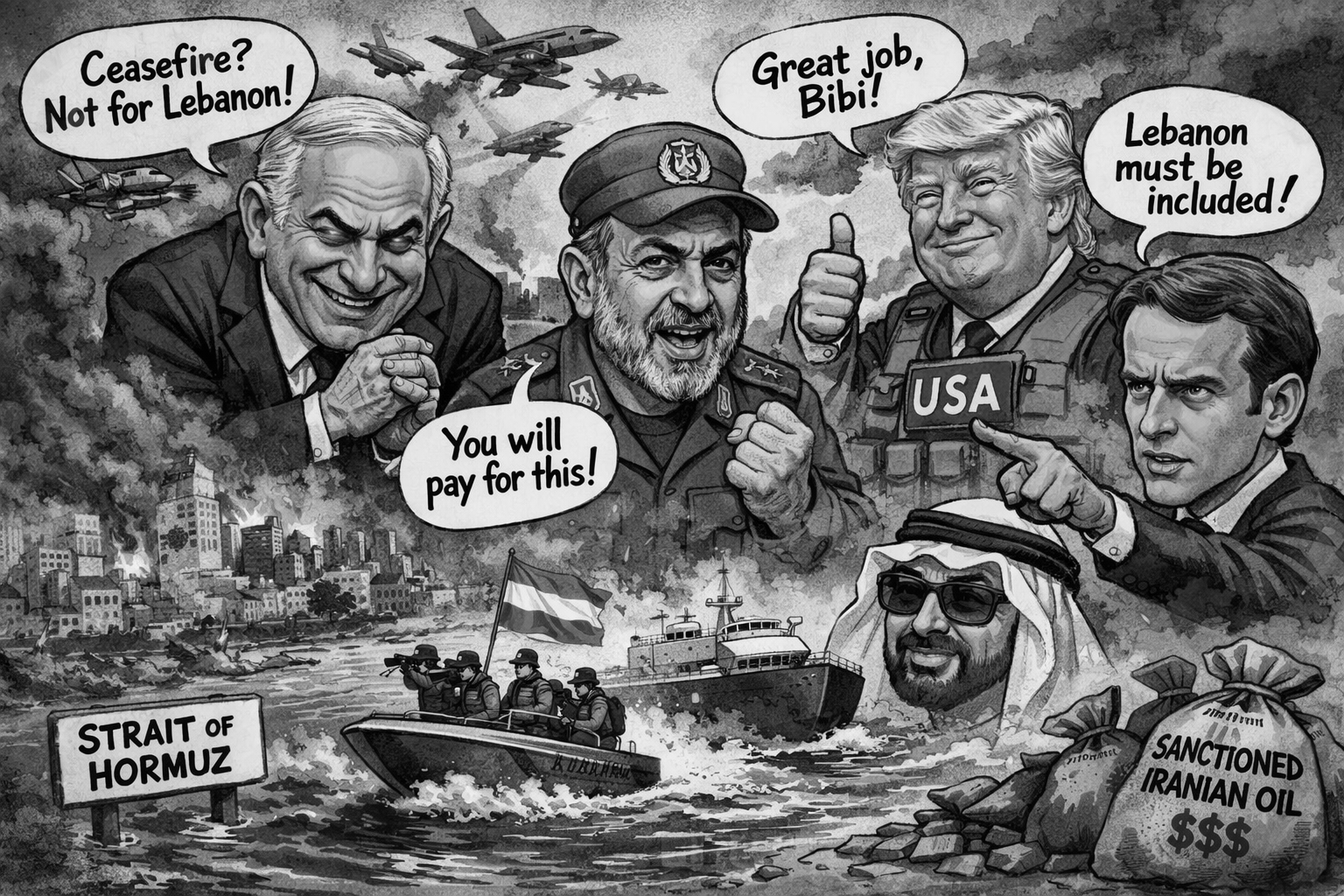
A ceasefire was announced between the United States and Iran . Diplomats spoke of de escalation. The world briefly exhaled. But the skies over Lebanon told a different story.
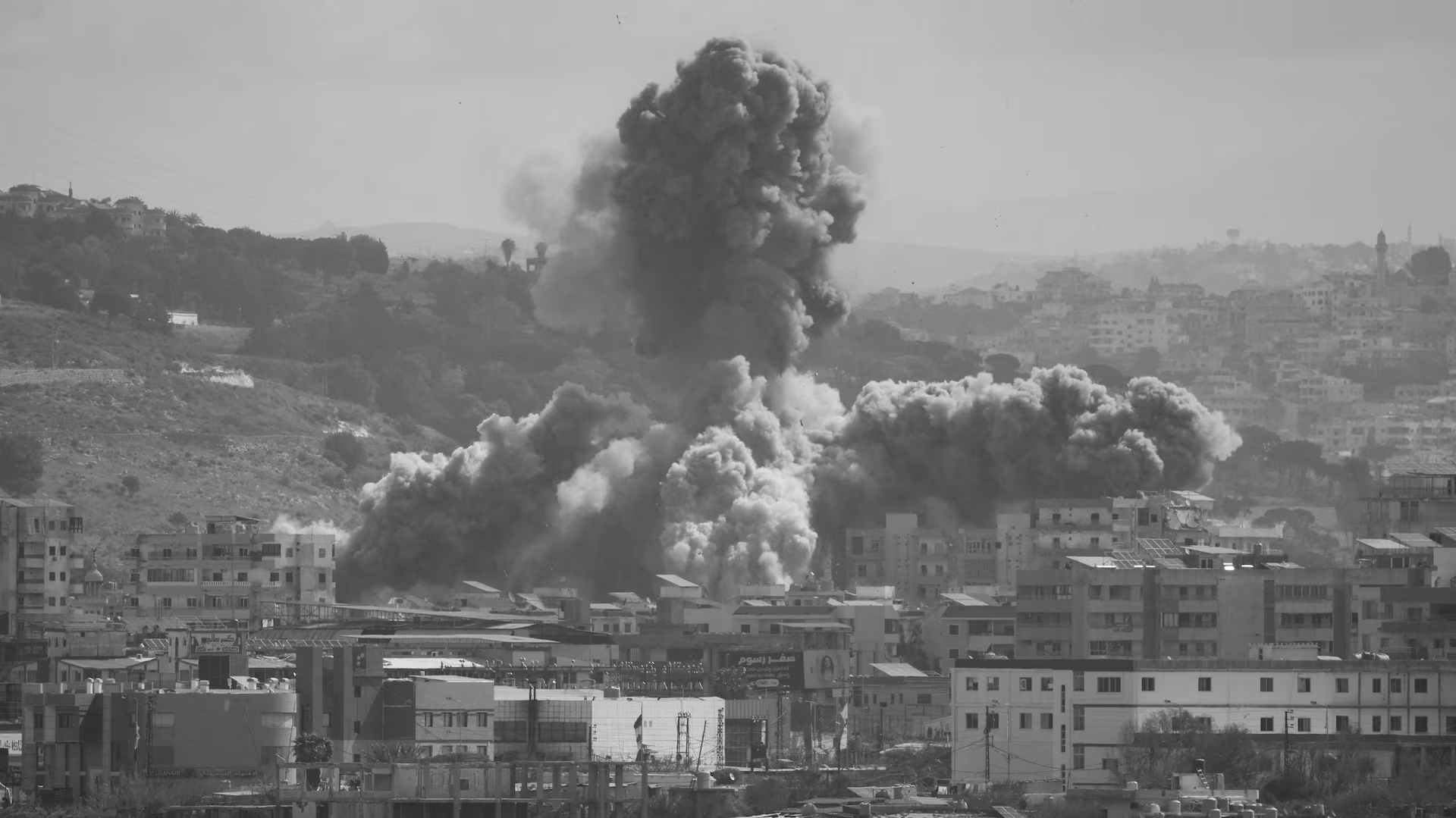
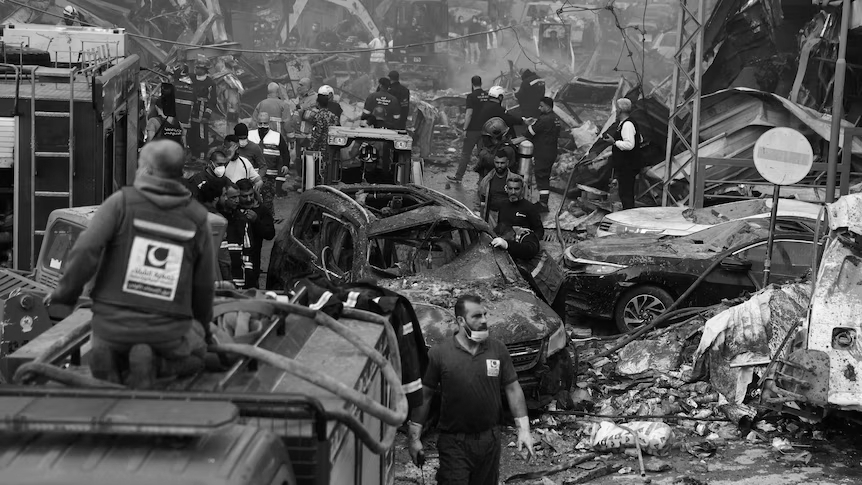
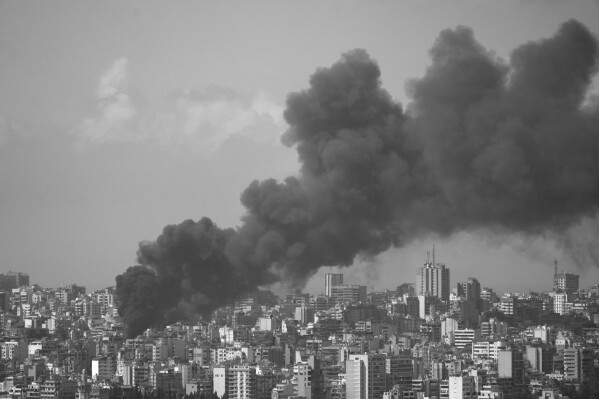
Within hours of the announcement, Israeli warplanes unleashed one of the most devastating bombardments Lebanon has seen in years , striking across Beirut, the Bekaa Valley, Mount Lebanon, Sidon, and towns across southern Lebanon . In an assault of staggering intensity, scores of air strikes rained down within minutes , leaving hundreds dead and thousands injured . Hospitals in Beirut and across the south struggled to cope as ambulances ferried victims through streets thick with smoke and debris.
Israel later claimed the strikes were aimed at Hezbollah-linked sites and individuals . Among those reportedly killed was Ali Yusuf Harshi , described by Israel as an aide within the Hezbollah leadership structure. Yet the scale and locations of the bombardment raise difficult questions. Entire apartment blocks and densely populated neighbourhoods were hit , places where families lived, slept and sought safety.
If the objective had merely been the elimination of a specific individual, Israel has repeatedly demonstrated that it possesses the intelligence and precision to carry out such targeted killings with far smaller operations. It has done so many times before.
This was not that.
The scale of the bombardment suggested something far broader than a surgical strike. Apartment buildings were shattered. Civilian neighbourhoods absorbed the impact. Aid workers described women, children and entire families being pulled from rubble . The destruction across Beirut and southern Lebanon bore the marks of an attack whose intensity far exceeded the significance of any single target.
For forty days of war , Israel had struck across multiple fronts. Yet this barrage came at the precise moment when diplomacy claimed the conflict might pause. To many observers across the region, the message appeared unmistakable. Israel was not simply striking Hezbollah positions. It was demonstrating that no diplomatic arrangement could meaningfully constrain its actions.
The response from much of the world has been cautious, almost subdued. The United States , Israel’s closest ally, has offered no criticism of the strikes. President Donald Trump , who had earlier promoted the ceasefire as a diplomatic success, has remained silent on the Lebanese bombardment. Other major powers have issued routine calls for restraint but avoided confronting Israel directly over the scale of the attack.
For many in the region, that silence reinforces a belief that has hardened over years of conflict: Israel operates with a level of strategic immunity few other states possess .
The only country that came openly to Lebanon’s defence was Iran . Within hours of the strikes, Tehran moved to shut down the Strait of Hormuz , the narrow waterway through which nearly a fifth of the world’s oil flows. Iranian officials declared the passage would not reopen until the ceasefire was explicitly extended to Lebanon , arguing that the original understanding of the truce was meant to apply across the region.
Whether that demand gains traction remains uncertain. What is already clear, however, is that Lebanon once again became the arena where power was demonstrated and messages were sent .
The scale of the bombing seemed designed not merely to eliminate military targets but to deliver a signal. Israel will strike when it chooses, where it chooses, and at a scale it chooses.
In the shattered neighbourhoods of Beirut and southern Lebanon , that message arrived with devastating clarity. The question now facing the region is not simply whether the ceasefire will hold, but whether any diplomatic framework can restrain a war when one side believes it has little reason to fear international consequences.