
Israel and Lebanon Extend Ceasefire by 45 Days, While Both Sides Keep Fighting
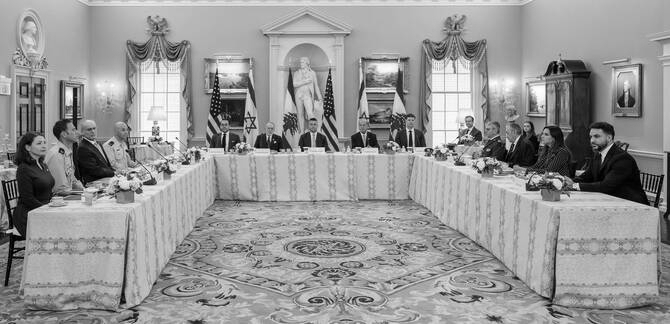
Israel and Lebanon agreed Friday to a 45-day extension of their ceasefire, wrapping up their third round of Washington talks , which the State Department, with a straight face, called "highly productive." The ceasefire was due to expire this Sunday. It is, for the record, already the second time it has been extended.
The previous three-week extension was itself a patch job, and the U.S. has throughout this entire period been granting Israel permission to keep targeting Hezbollah operatives deemed a threat , meaning strikes have continued on a daily basis, including while negotiators were literally sitting across the table from each other in Washington. Nothing says "ceasefire" quite like bombing during the ceasefire talks.
On the ground, the reality was predictably grim. Hezbollah fired a rocket into the Lower Galilee, triggering sirens in the communities of Masad and Eilabun, which the IDF called "a blatant violation of ceasefire understandings." Israel responded by issuing urgent evacuation warnings for villages on the outskirts of Tyre before striking. Staff Sgt. Negev Dagan, 20 , of the Golani Brigade was killed by Hezbollah mortar fire, the sixth IDF soldier killed since the ceasefire began, and the nineteenth since hostilities escalated with Iran.
Meanwhile, at least 657 Lebanese have been killed by Israeli strikes since the ceasefire took effect, a number that should give pause to anyone describing these talks as productive.
Hezbollah, crucially, is not at the table. The group whose disarmament is the entire point of the exercise has no seat in Washington, which is roughly like negotiating a noise complaint without telling the neighbour.
T wo countries extended a ceasefire they are both violating, to negotiate the disarmament of a group not present. Diplomacy looks busy. The results do not.