
Islamabad Talks: Iran's 10 Points, US's 15 Points, Zero Common Ground
The day began with Islamabad locking itself down , streets emptied, a two-day public holiday declared, and a city of millions brought to a standstill for a meeting the world had its eyes on. Iran walked in with a 10-point proposal . The United States walked in with a 15-point peace plan . Between those two documents lay the entire distance of a six-week war, reparations, frozen assets, nuclear capabilities, the Strait of Hormuz, and the fate of Lebanon and by the end of the day, not a single one of those points had found common ground. Over 10,000 security personnel were deployed across the capital: 6,000 Islamabad Capital Police officers, 3,000 from the Punjab Constabulary, and 1,000 traffic police managing delegation routes and that was before the army, rangers, and elite military units. Troops were positioned on the Margala Hills, the green forested high ground sitting directly above the city because whoever controls the high ground controls visibility and range. Every entry point into Islamabad's Red Zone was sealed. One road remained open the Margala Road and only for authorized officials and residents already inside.
At the centre of it all sat the Serena Hotel booked out in its entirety from Wednesday through Sunday. Every room swept for listening devices, explosives, and surveillance equipment . Motorcade routes from the airport were pre-selected, kept separate for each delegation. Protection officers banned from carrying mobile phones, digital watches, or any gadgets . Even the fuel going into transport vehicles was sampled and sealed . All of it is governed by Pakistan's classified VVIP protection manual, Blue Book Version 170613 , a three-layer system running from an inner isolation zone accessible only to vetted personal staff, to an outer perimeter managed by local police. Pakistan was not leaving anything to chance. Its global credibility was on the line, and it knew it.
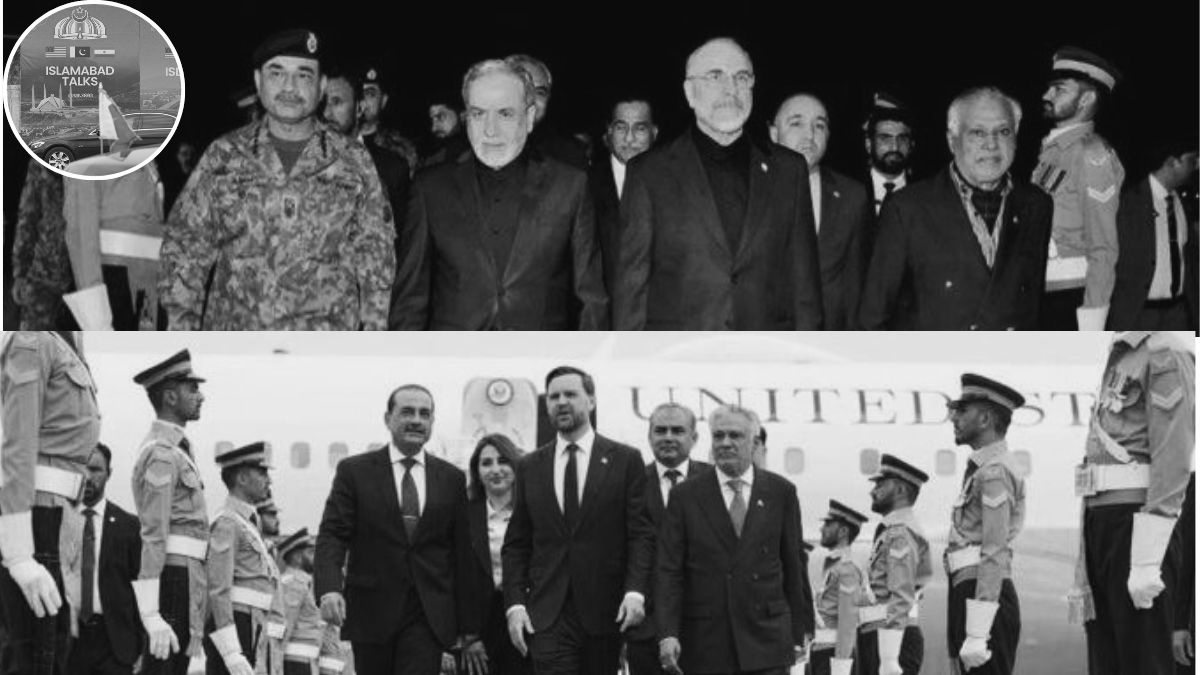
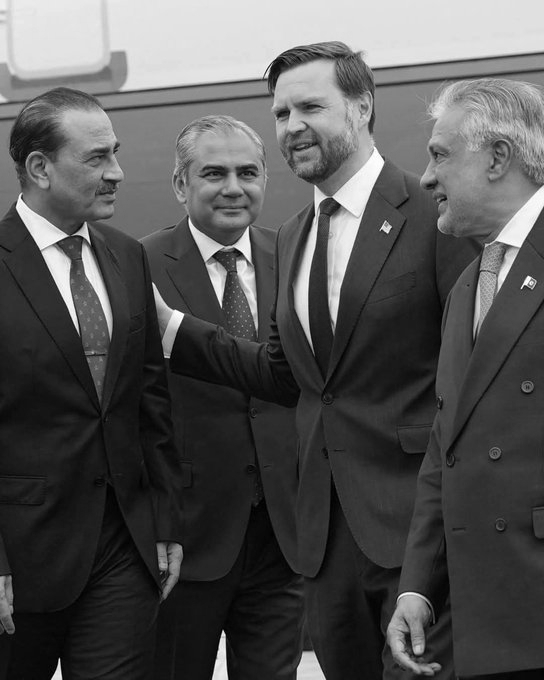
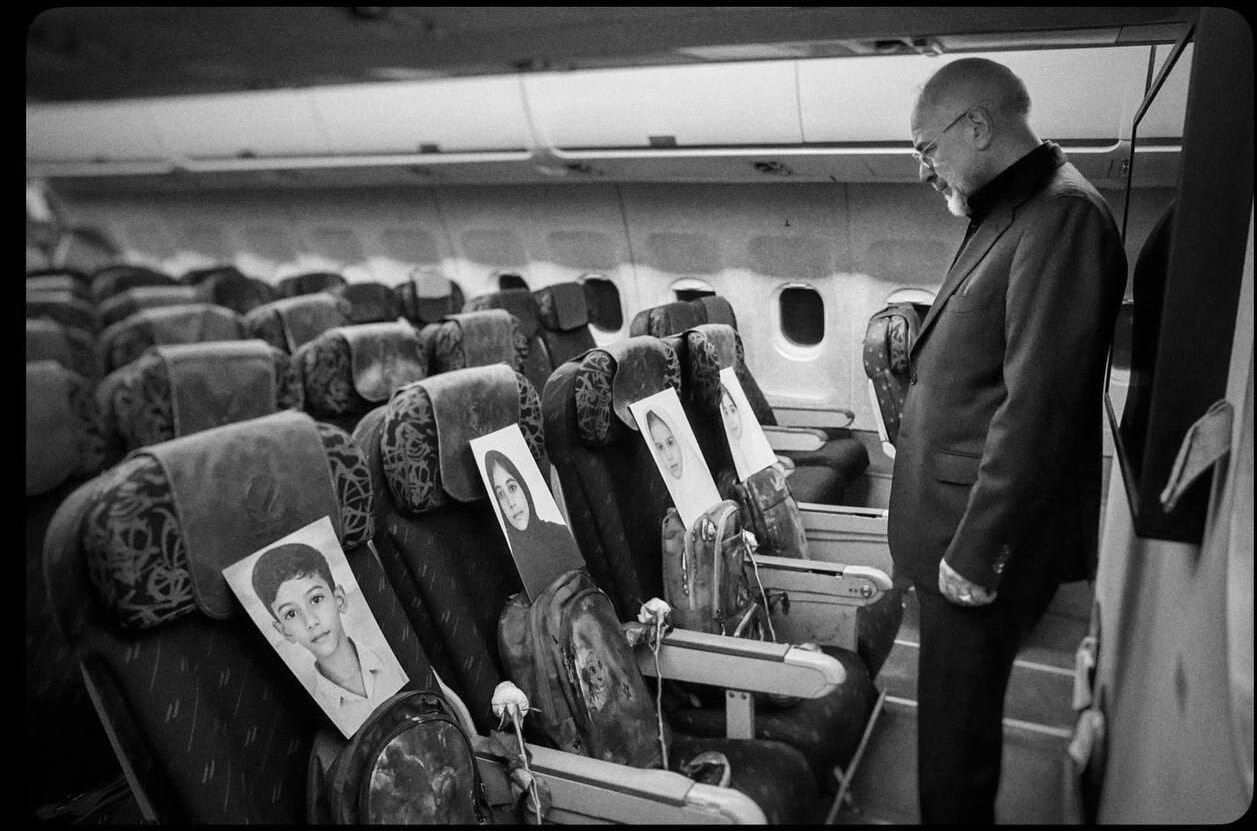
JD Vance touched down after a 16-hour journey that included a refuelling stop in Paris, leading a US team that included Steve Witkoff and Jared Kushner . Not long after, the 71-person Iranian delegation arrived, led by Parliament Speaker Mohammad Bagher Ghalibaf and Foreign Minister Abbas Araghchi , received on the tarmac by Army Chief Asim Munir and Foreign Minister Ishaq Dar . Ghalibaf walked off the plane carrying photographs of the victims of the Minab school strike , a quiet but deliberate signal of what Iran was bringing to this table. His government's spokesperson had already set the tone: Tehran was negotiating with a "finger on the trigger" and while there was "goodwill," there was "no trust" in the United States.
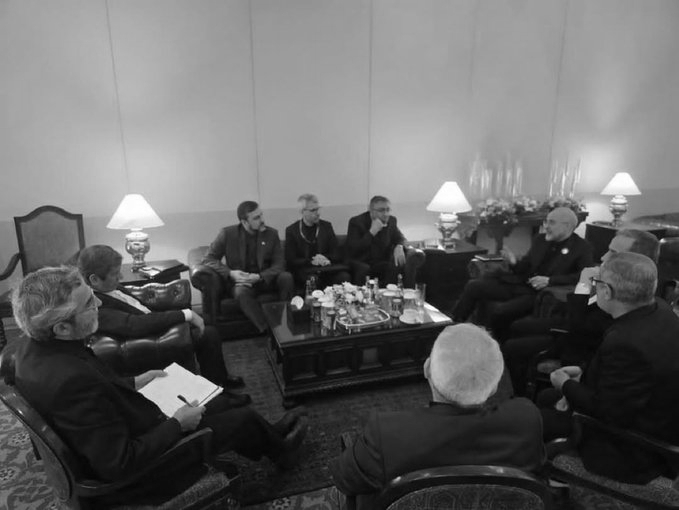
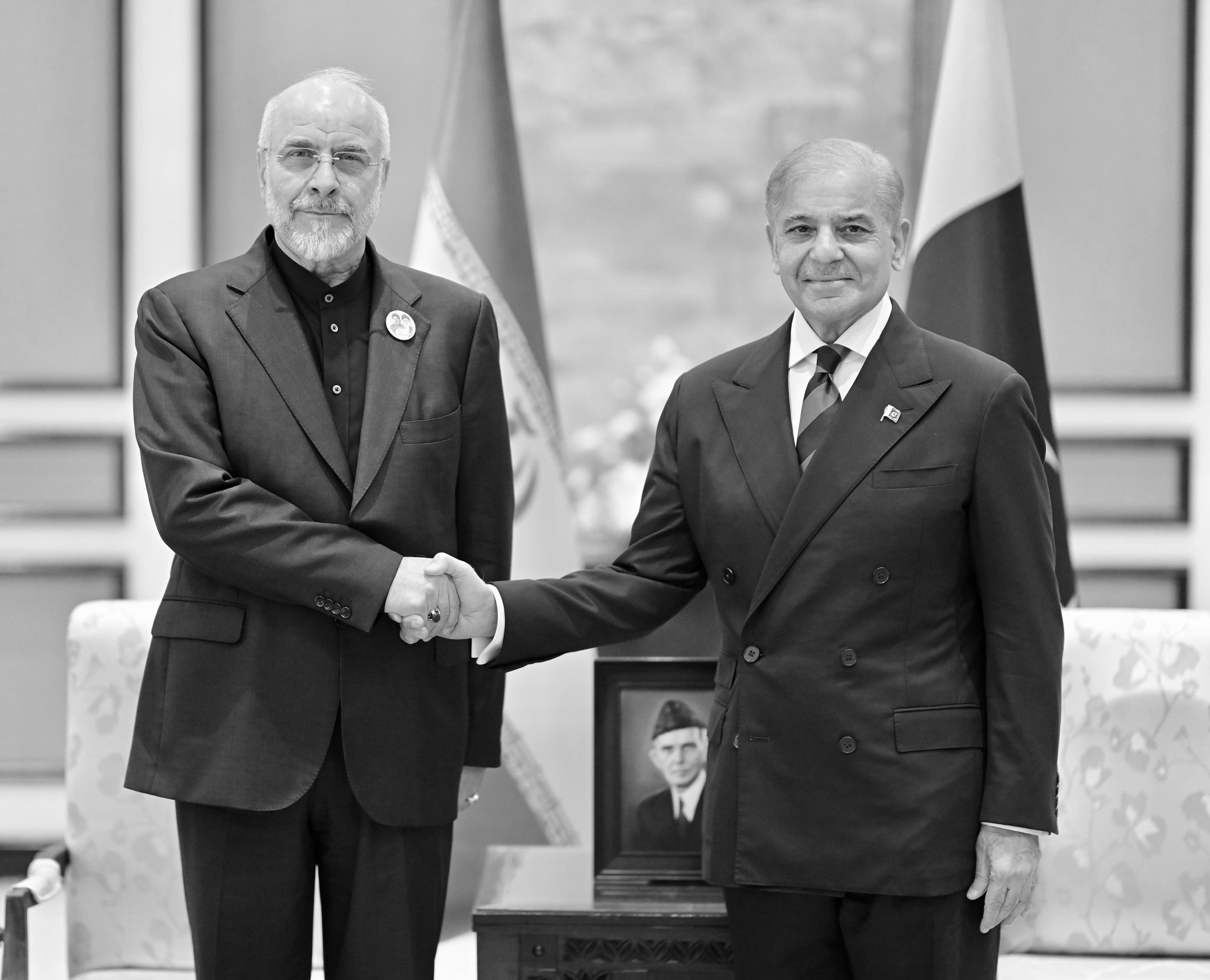
Both delegations first met separately with Prime Minister Shehbaz Sharif , who had called this a "make-or-break moment" in a national televised address the previous evening. Iran's delegation presented its "red lines" to Sharif directly, war reparations for the destruction caused by US-Israeli strikes since February 28, and the release of frozen Iranian assets . The White House assembled a full expert team across all relevant subject areas in Islamabad, with additional support from Washington. Early in the day, reports confirmed that delegates were seated in separate rooms with Pakistani officials shuttling messages, the classic proximity format. But that arrangement would not last long.
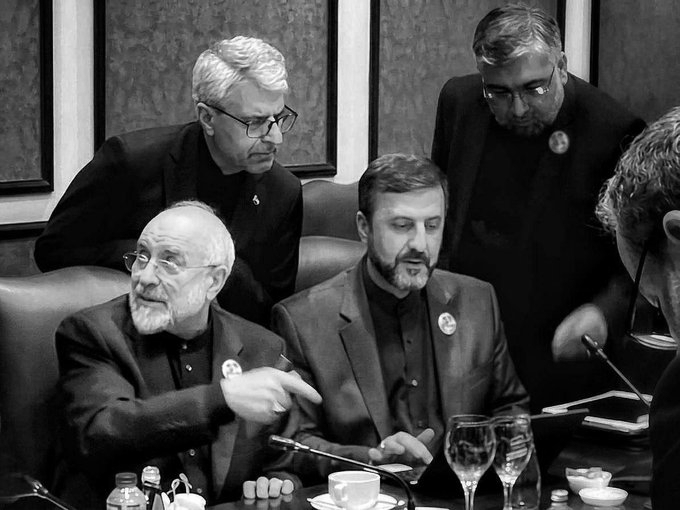
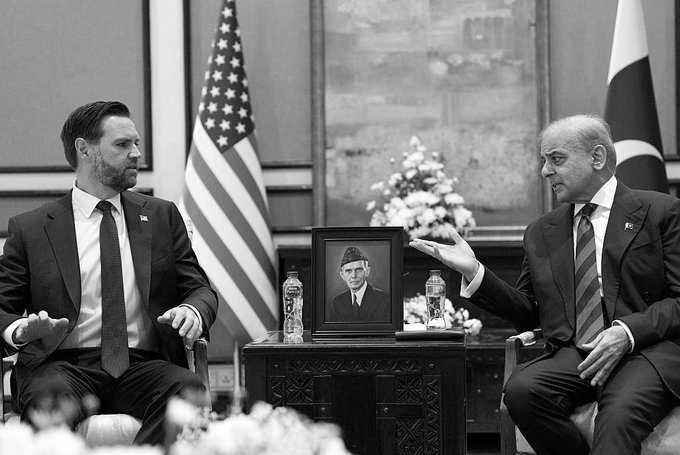
White House officials confirmed that JD Vance and the US team were meeting the Iranian delegation face-to-face , making these the most significant direct talks between Washington and Tehran since the 1979 Islamic Revolution . A Pakistani official told reporters talks were "progressing well," though he carefully noted he could not confirm whether both sides were in the same room. Iranian state media reported that the direct sessions only began after Iran saw early progress on its preconditions . Two full rounds of talks were completed during the day, with Iranian state TV reporting a third session expected either that night or Sunday morning .
But the optimism hit a hard wall almost immediately. The Financial Times reported a "stalemate" over the Strait of Hormuz , the single most contentious issue on the table, with two people briefed on the negotiations confirming that Iran was insisting it retain full control over the waterway and could charge vessels a toll for passage. Iranian media accused the US of making "excessive demands" on the Strait. The White House separately confirmed it had not agreed to unfreeze Iranian assets , directly contradicting an earlier report. And Trump himself, speaking to NewsNation during the talks, offered perhaps his most honest assessment yet, when asked how negotiations would go, he said simply: "I have no idea."
While the diplomats talked, the US military moved. Two Navy guided-missile destroyers, the USS Frank Peterson and USS Michael Murphy, transited the Strait of Hormuz , the first American warships to do so since the war began . CENTCOM commander Admiral Brad Cooper announced that the US had "begun the process of establishing a new passage" through the Strait, pledging to share a safe pathway with the maritime industry soon. Trump posted on Truth Social that "all 28" of Iran's mine-dropping boats "are lying at the bottom of the sea" and that the US was actively clearing the waterway. Iran's position remained firm, vessels could only pass with Tehran's approval and the IRGC Navy reiterated that the Strait would "never return to its former state, especially for America and Israel."
Outside the hotel, the war refused to pause for diplomacy . Israel struck more than 200 Hezbollah targets in Lebanon within 24 hours . Hezbollah continued striking Israeli infrastructure, with air raid sirens across northern Israel . A drone crashed near US diplomats at Baghdad airport , and Iranian forces issued a warning about a US destroyer near Fujairah . The ceasefire, in name, was held. On the ground, it barely showed.
Internationally, diplomatic pressure was building. French President Macron called Iran's President Pezeshkian , urging him to use the Islamabad talks for "lasting de-escalation" , and separately discussed the ceasefire with Turkey's Erdogan , calling on all parties to respect freedom of navigation. The UN welcomed the talks . And in Rome, Pope Leo XIV delivered his most forceful words yet, presiding over an evening prayer service at St. Peter's Basilica, he denounced the "delusion of omnipotence" fuelling the war, declaring: "Enough of the display of power! Enough of war!" and urging leaders to "sit at the table of dialogue, not at the table where rearmament is planned." His words, though delivered without naming Trump or the United States, left little ambiguity about their target.
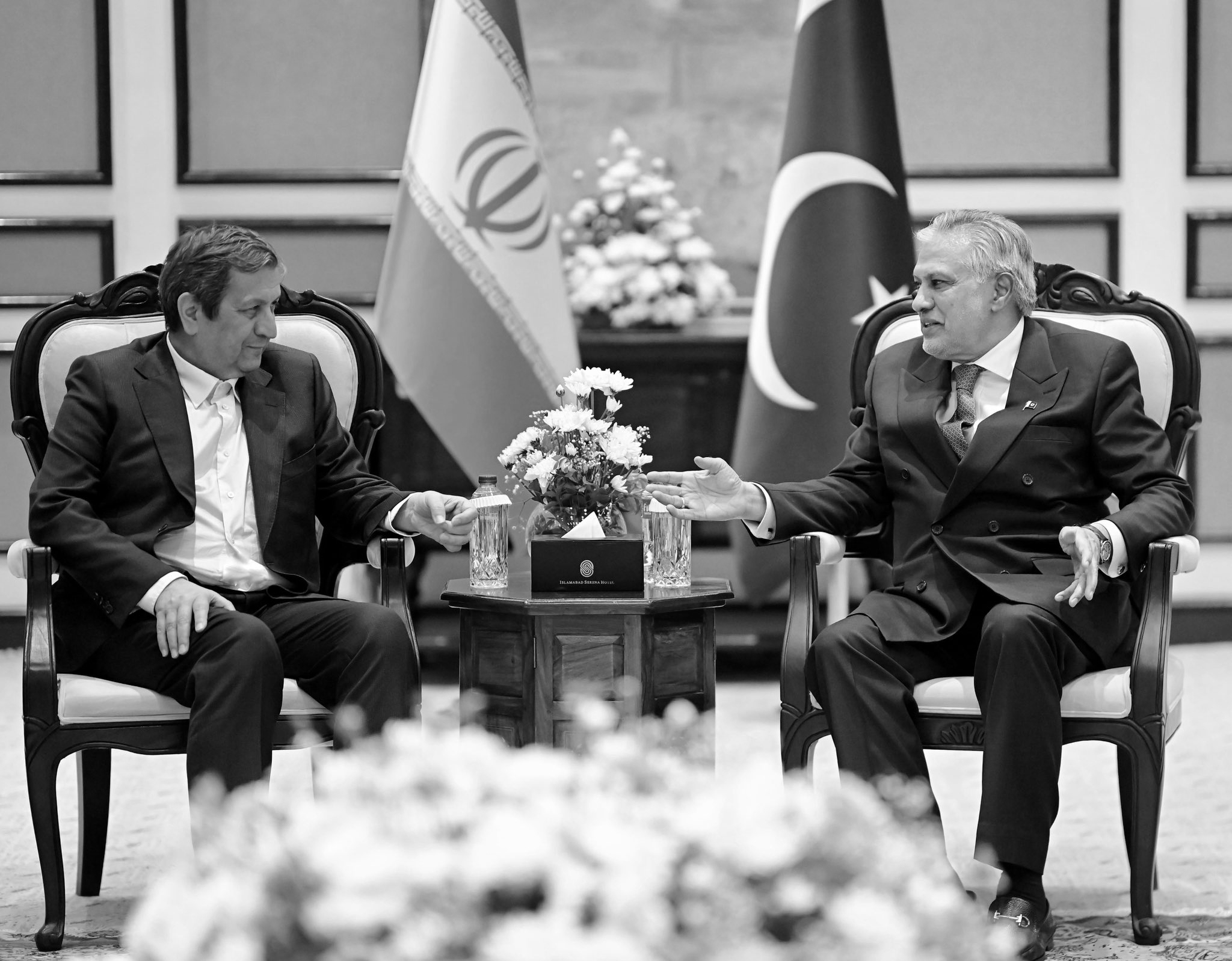
On the sidelines, Iran's Central Bank Governor met Pakistan's Deputy PM Ishaq Dar , with both emphasising that peace was essential for economic cooperation and regional stability . Meanwhile, reports emerged that China is preparing a weapons shipment to Iran , using third countries to mask the transfers, a development that could significantly complicate the talks if confirmed.
What had begun as indirect proximity talks evolved into something far more significant . The US and Iran exchanged written texts during historic in-person meetings at the Serena Hotel, the first direct talks between Washington and Tehran since the 1979 Islamic Revolution . Sources close to the mediation said that "some progress had been made on basic conditions" , including a possible understanding to limit Israeli strikes to southern Lebanon , though no formal Lebanon ceasefire was agreed. Two full rounds of talks were completed, with a third session expected overnight or on Sunday . Iran's Supreme National Security Council had already indicated that talks could continue for up to 15 days , leaving open the possibility that delegations may stay in Islamabad beyond Saturday or return for subsequent rounds. This was only Phase One , the opening moves of what could be a long and grinding negotiation. The gap between a 10-point plan and a 15-point plan, between deep mistrust and a ticking deadline, does not close in a single day. But for the first time in 47 years, both sides were in the same room, exchanging words on paper and that alone, however fragile, was something.