
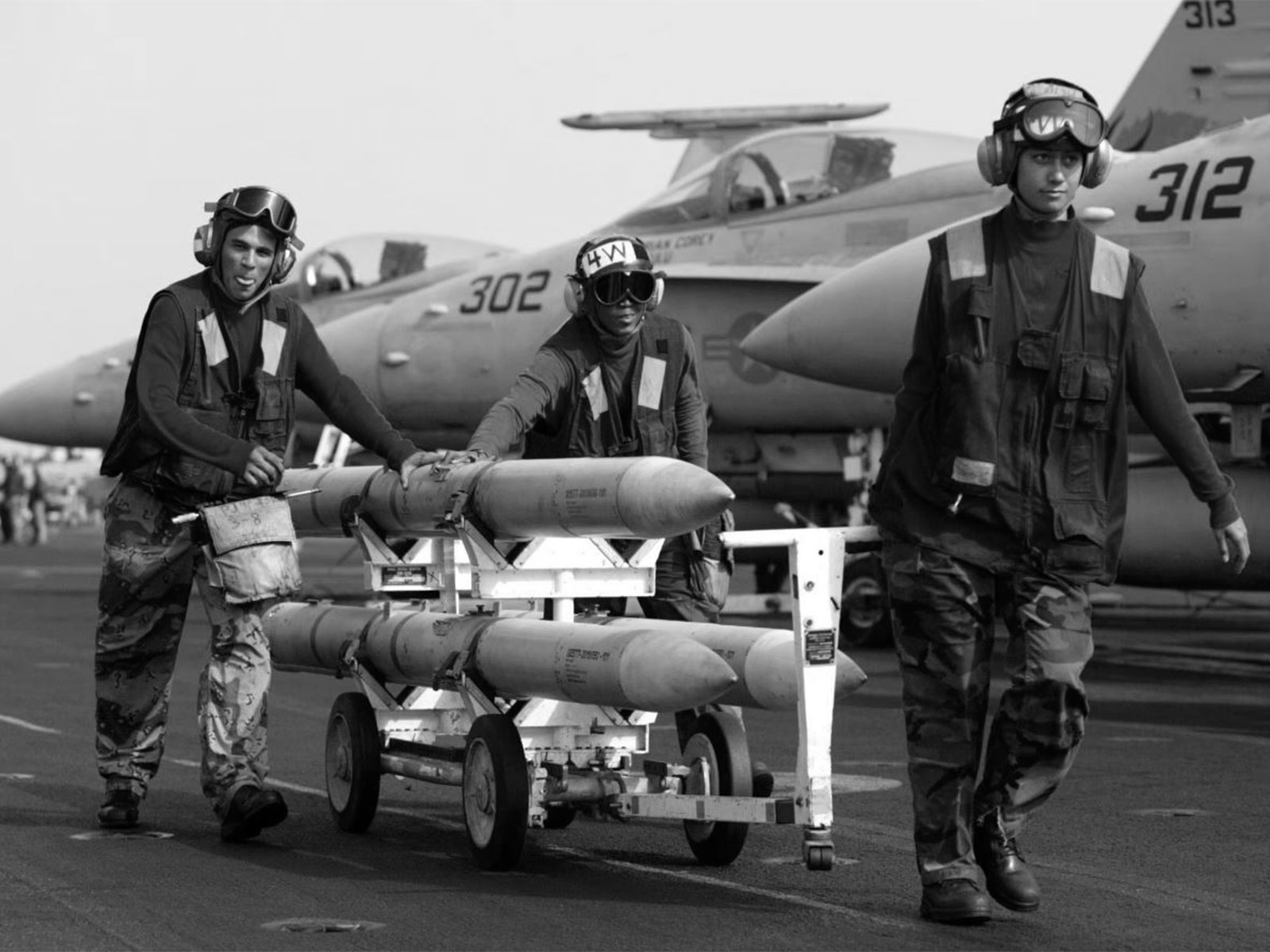
Islamabad is expected to receive AIM-120 air-to-air missiles from Washington by 2030
Weeks after signing a strategic defense pact with Saudi Arabia, Pakistan is now turning to the United States to further bolster its defense capabilities. According to a U.S. Department of Defense press statement, Islamabad is set to receive the AIM-120 advanced medium-range air-to-air AMRAAM missiles from Washington, with deliveries under the contract expected to be completed by May 2030. Pakistan is confirmed as one of 35 countries slated to receive these missiles under the U.S. foreign military sales program. This announcement comes shortly after a meeting between U.S. President Donald Trump, Pakistan’s Prime Minister, and the Pakistani Army Chief earlier in 2025.
The contract has been modified to include production of additional variants of the AMRAAM missile, raising the total contract value to over $2.51 billion. Manufacturing will take place in Tucson, Arizona. The contract also encompasses numerous other countries, including the United Kingdom, Poland, Germany, Australia, Qatar, Oman, Japan, Norway, Hungary, South Korea, Taiwan, and Lithuania, among others. New
While exact numbers for the new deal remain unclear, Pakistan has previously received approximately 500 AIM-120C-5 AMRAAM missiles from the United States under a 2006 agreement, with the first batch delivered in July 2010. These were intended to equip Pakistan’s F-16 fighter jets. The upcoming deliveries under the AIM-120D-3 variant contract will further enhance Pakistan’s air defense capabilities, though the precise number of missiles is yet to be disclosed.
Pakistan may be looking to upgrade its F-16 fighter jets, as the AIM-120 AMRAAM missiles are specifically compatible with the aircraft. This potential upgrade comes at a time of improving bilateral relations between the U.S. and Pakistan, particularly following the ceasefire agreement between Pakistan and India in May 2025—a move credited by some to U.S. facilitation, though India emphasizes direct military-to-military talks.
Pakistan and the United States have maintained defense cooperation since the 1950s, spanning multiple phases. Early agreements under the Mutual Defense Assistance Agreement provided military equipment and training. Support increased during the Soviet-Afghan War, including F-16 fighter jet sales under Operation Cyclone. Post-9/11, Foreign Military Sales agreements totaling over $5.4 billion were concluded, while relations in recent years have fluctuated with renewed deals like the AIM-120 AMRAAM missiles, reflecting ongoing strategic cooperation and regional defense priorities.
The AIM-120 AMRAAM is recognized for its advanced capabilities in air-to-air combat, and its inclusion in Pakistan’s defense arsenal could significantly enhance the operational effectiveness of the Pakistan Air Force. However, questions remain regarding how Pakistan will finance this procurement, given its ongoing reliance on International Monetary Fund assistance for economic stability. The U.S. decision to supply these missiles marks a major development in regional defense dynamics, strengthening Pakistan’s air defense capabilities while carrying financial and strategic implications.