
Is Trump’s Russian Diesel Deal Illegal? US Senators Cite 2022 Energy Ban
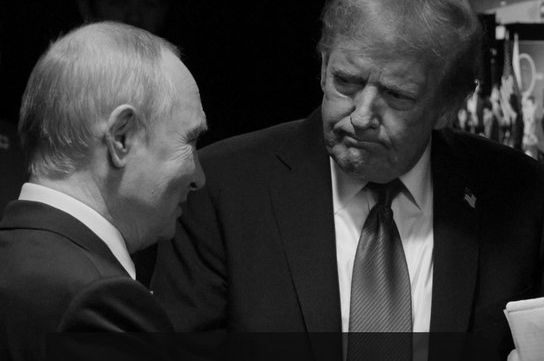
A bipartisan group of US senators has questioned President Donald Trump’s decision to allow Russian diesel imports, arguing that the move may violate a 2022 law banning Russian energy imports while Moscow continues its war against Ukraine. The controversy follows Trump’s announcement of a deal with Russian President Vladimir Putin to supply diesel to the United States and global markets.
Trump announced the agreement on Friday after a phone call with Putin, saying Russia would immediately supply 300,000 tons of diesel. However, a separate report has put the potential volume at 1.8 million tons, leaving questions about the overall scale of the proposed arrangement.
Seven senators from both parties, including Democrats Jeanne Shaheen, Richard Blumenthal and Ron Wyden, and Republicans Susan Collins, Lisa Murkowski, Thom Tillis and John Curtis, criticised the decision in a joint statement on Sunday.
“Congress explicitly banned Russian energy imports in 2022 to prevent American dollars from financing Putin’s brutal war against Ukraine,” the lawmakers said, adding that Trump’s decision ran directly counter to the law. They also accused the administration of failing to consult Congress or provide the explanation required under the statute.
Republican Senator Thom Tillis separately told NBC News that there was “a legitimate case” for arguing that Trump was not following the law. He said Congress had made its position clear that Russia was responsible for the aggression and could end the war by withdrawing from occupied territory.
The Ending Importation of Russian Oil Act, signed by then-President Joe Biden on April 8, 2022, prohibited imports of Russian crude oil, petroleum products, liquefied natural gas, coal and coal products. The legislation allows the president to terminate the ban only through a specified certification process involving Congress, tied to conditions including an agreement to end hostilities and the withdrawal of Russian forces. The law provides for the termination to take effect 90 days after the certification is submitted.
The Trump administration’s reported Treasury sanctions waiver, which authorises certain Russian diesel transactions until April 2027, has therefore raised a separate legal question. A sanctions waiver can permit transactions otherwise restricted under sanctions rules, but it cannot by itself override a federal statute prohibiting imports.
The dispute comes as Washington continues to pressure Moscow over the Ukraine war. Congress has also passed the Sanctioning Russia and Iran Act of 2026, which empowers the president to impose sweeping sanctions and potentially 100 per cent tariffs on major Russian oil and gas trading partners, including India and China.
Trump’s decision has also revived questions about Washington’s treatment of India, which faced additional tariffs over its Russian oil purchases. The latest controversy now centres on whether the administration can legally permit Russian energy imports without meeting the conditions established by Congress.