
Is the ‘cleanest city’ really clean? 9 hospitalised after drinking contaminated water again
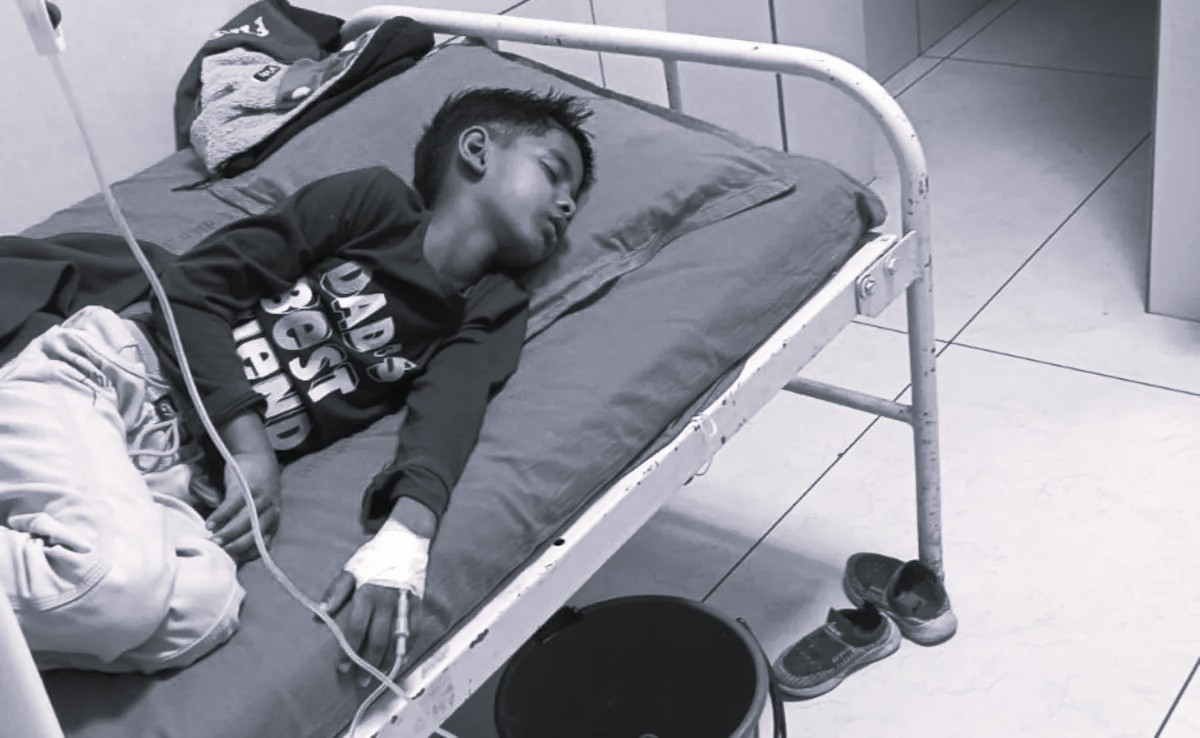
At least nine people fell ill after consuming contaminated drinking water in Mhow tehsil of Indore district, Madhya Pradesh, officials said on Friday. The cases were reported from Patti Bazaar and Chander Marg areas on Thursday night, and the affected people were rushed to hospital after showing symptoms of water-borne diseases. Indore Collector Shivam Verma reached Mhow late on Thursday night and visited the patients receiving treatment at the hospital. He also spoke to residents of the affected areas. Nine patients have been hospitalized , while a few others are recovering at home, officials said. No death has been reported in this incident so far, and the health department said that no patient is in critical condition .
The health department team has been on site since Friday morning, under the direction of CMHO Dr Madhav Hasani , and a team from Indore Medical College along with specialist doctors is being sent to the area to support treatment. Mhow MLA Usha Thakur also visited the hospital and met the affected people. Collector Verma directed the health department to ensure proper and effective treatment for all patients and instructed the Mhow Cantonment Board to check water quality and maintain cleanliness in the area. He said the government is closely monitoring the situation and will survey the affected areas. Residents showing symptoms will be provided treatment, and critical patients will be admitted to hospital.
Officials have not confirmed the exact cause yet, but residents suspect the drinking water got contaminated due to leaking pipelines or sewage mixing with the water supply . In many older areas, water pipes run close to sewage lines, and any leakage or drop in water pressure can allow dirty water to enter the drinking system. The Mhow Cantonment Board has been asked to test the water quality and identify the source of contamination.
This is the second water contamination incident in the Indore district within weeks, following the deadly outbreak in Bhagirathpura, Indore city , where several people fell ill and seven deaths were linked to contaminated water , according to a government report submitted to the High Court on January 15. Residents of Bhagirathpura, however, claimed the toll is much higher, saying the outbreak has caused 25 deaths so far. Such repeated outbreaks show that the problem is not isolated. The city’s water supply system and civic management are clearly failing, and the government has not offered a convincing answer or a long-term solution.
Indore has long been celebrated as the “cleanest city in India,” but if a city with that reputation cannot guarantee safe drinking water, it raises a bigger question: what about other cities, and what about slums and poorer neighbourhoods where infrastructure is weaker? The situation there could be far worse, and this incident suggests the problem may be much deeper than what is visible. The government’s failure is not just about water contamination. It is about ignoring basic civic needs and failing to prevent a predictable crisis. Water is a basic necessity, yet the people who elected the government are still not getting clean water to drink. That is a serious breach of public trust.
The Bhagirathpura case revealed a serious lapse in accountability. A file for a new water pipeline was created on November 12, 2024, after repeated warnings about old and leaking pipes. Yet the project has not even started . Even though a tender was floated on July 30, 2025, the work still has not begun. It was only after deaths were reported that the Indore Municipal Corporation and the Mayor pushed for urgent replacement , but the pipeline project remains stalled. This delay is not just an administrative failure. It is a clear breakdown of responsibility, where residents’ lives were put at risk even when the problem was known.
The Bhagirathpura crisis also drew national attention after a video of Madhya Pradesh Urban Development Minister Kailash Vijayvargiya went viral. In the footage, when a journalist asked him about the water contamination and the suffering of residents, he responded dismissively, saying “Phokat prashn mat pucho” (don’t ask useless questions), implying the issue did not matter. The remark was widely criticised as insensitive and arrogant, especially at a time when families were dealing with illness and deaths. When the people demand accountability, they are met with dismissive responses. If the government cannot even acknowledge the problem, what does it stand for? The people who chose the government deserve better.
Water contamination is not just a health issue. It is a sign that the civic system is failing and the government is not prioritising basic public needs. Two contamination events in weeks is not just shameful it is dangerous. If the government cannot ensure clean water in a city celebrated as the cleanest in the country, it raises serious questions about governance, priorities, and accountability.