
Is Pakistan harboring ISIS terror networks?
Afghan military analysts have alleged that Islamic State (IS) training centres are being operated inside Pakistan, despite Islamabad’s repeated denials of hosting any terror outfit on its soil.
Mounting evidence suggests that ISIS-Khorasan (ISIS-K) continues to maintain safe havens and operational networks within Pakistan. The recent killing of senior ISIS-K commander Nusrat, also known as Pahlawan Musa or Abu Zar, in Peshawar has reignited scrutiny over Pakistan’s alleged ties with extremist elements.
Security sources said Nusrat, a key figure involved in planning attacks in Kabul in 2022 and 2023, led the group’s “Pahlawan” centre in Pakistan. His assassination inside Pakistani territory has once again raised questions about the country’s role in harbouring the group.
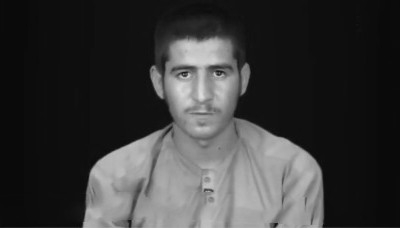
In another development, Afghan security forces recently arrested an ISIS terrorist identified as Saeedullah, who confessed to undergoing both ideological and combat training in Pakistan before infiltrating Afghanistan through the Torkham border crossing. In a video released by Taliban authorities, he revealed that he entered Afghanistan using a fake ID card under the name “Mohammad” and was indoctrinated in Pakistan’s Quetta region.
“When I entered Afghanistan with a fake ID card, my name here was Mohammad. In Quetta, I was mentally and militarily trained,” the detained terrorist confessed.
The arrest has reignited regional debate over Pakistan’s alleged complicity in fostering terrorism. Afghan analysts argue that the repeated killing and capture of ISIS operatives on both sides of the Durand Line highlight Pakistan’s continued role in promoting instability in the region.
“It’s clear that Pakistan has long trained terrorist groups on its soil and sent them to neighboring countries, especially Afghanistan, to serve its interests,” military analyst Sarwar Niazi.
Former U.S. Special Envoy for Afghan Peace Zalmay Khalilzad also confirmed the death of the ISIS-K planner in Peshawar and urged Islamabad to dismantle the terror sanctuaries operating within its borders.
Political experts echoed similar concerns. “It is a fact that Pakistan is the producer of terrorism in the region,” said analyst Aziz Maarej. Another expert, Nisar Ahmad Sherzad, added that “the killing of senior ISIS leaders in Pakistan shows the country supports the group and that its training centers are located inside Pakistani territory.”
This is not the first time such allegations have surfaced. Earlier this year, Afghanistan’s Central Commission for Security and Clearance reported that newly recruited ISIS fighters were being transferred from Karachi and Islamabad airports to training camps in Balochistan and the tribal regions of Khyber Pakhtunkhwa. The statement alleged these fighters were being prepared to launch attacks in Afghanistan and neighboring countries.
Over the past few years, several ISIS commanders have been targeted in Pakistani cities such as Quetta, Karachi, and Peshawar. Analysts believe that these incidents reflect years of Pakistan’s instrumental use of extremist groups in its regional security strategy. Despite this, experts say the United States continues to turn a blind eye to Pakistan’s alleged terror links, prioritizing its strategic interests in the region over holding Islamabad accountable. This, they warn, undermines international counterterrorism efforts and emboldens extremist networks operating from Pakistani territory.