
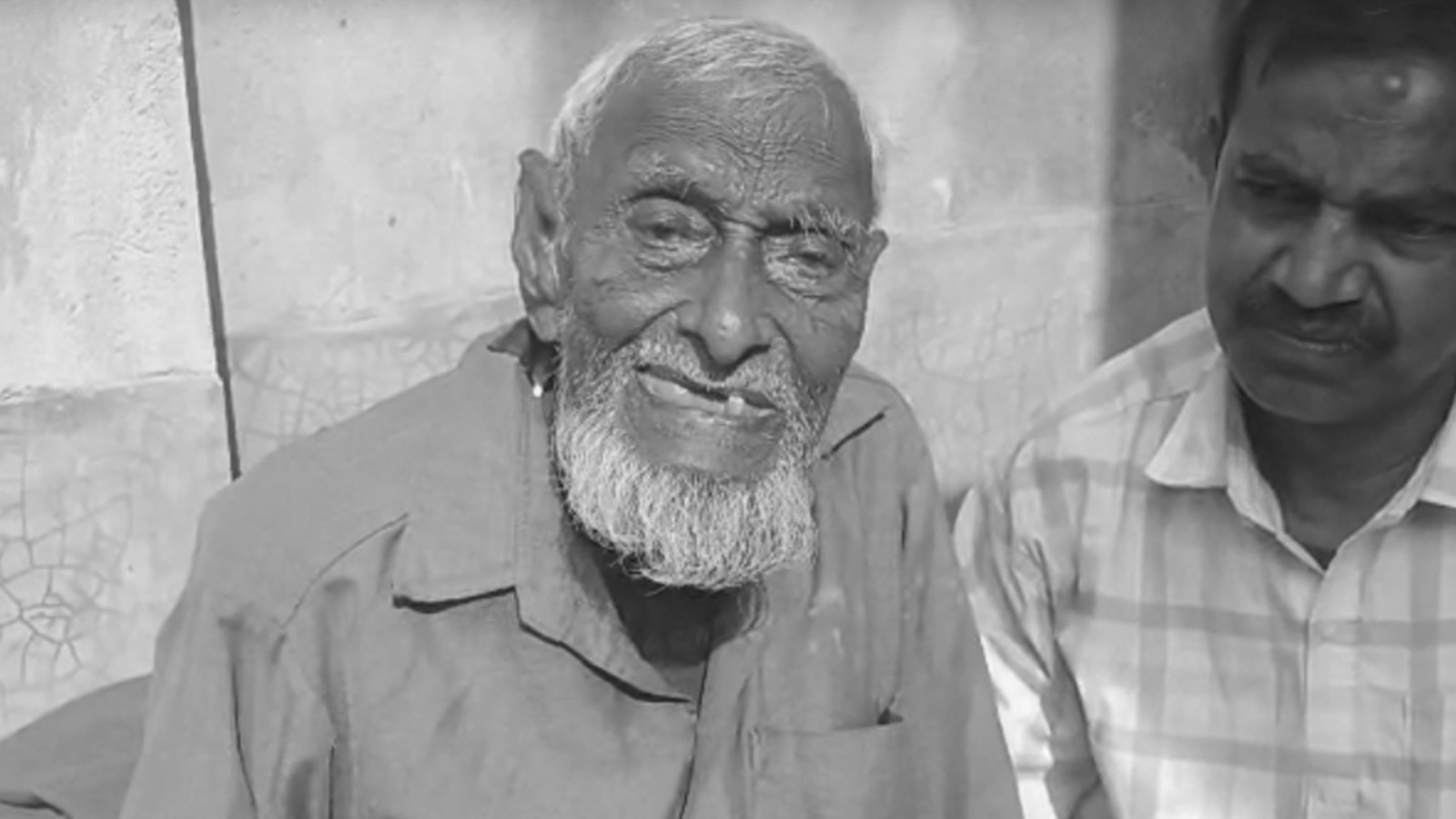
‘Is it a crime to live beyond 100?’: 104-year-old’s plea sparks political row in West Bengal
A 104-year-old man from West Bengal, who says he has voted in every election since independent India’s first general polls, now finds himself listed under the “adjudication” category in the latest electoral rolls, triggering a political confrontation in the state.
In electoral terms, “under adjudication” means a voter’s details are under official scrutiny due to alleged discrepancies, with eligibility pending a final decision . It does not automatically mean deletion, but it places the voter’s status in temporary uncertainty .
Sheikh Ibrahim, a resident of Jamalpur gram panchayat in Purba Bardhaman district, expressed shock after the final rolls were published following the Special Intensive Revision (SIR) exercise on February 28.
“Is it a crime to live beyond 100 years?” he asked. “I have always believed in casting votes and exercising my democratic rights. Why can't I vote this time? This is my country.”
According to his family, Ibrahim was called for a hearing after the Election Commission cited “logical discrepancies” in his records. His 70-year-old son said officials later visited their residence, examined documents, and assured them that the issue had been resolved. However, the family was surprised to find his name still placed under adjudication in the final list.
The matter soon took a political turn. The ruling All India Trinamool Congress (TMC) accused authorities of harassing a centenarian and questioned the electoral verification process. The party also alleged attempts to sideline legitimate voters ahead of elections, indirectly targeting the Bharatiya Janata Party (BJP).
There has been no official response yet from the Election Commission or the BJP.
Beyond politics, the episode has raised wider concerns about electoral verification procedures , especially when they affect elderly citizens with decades-long voting histories. For many, the issue now stands as a reminder that democratic participation is not merely procedural, it is deeply personal.