
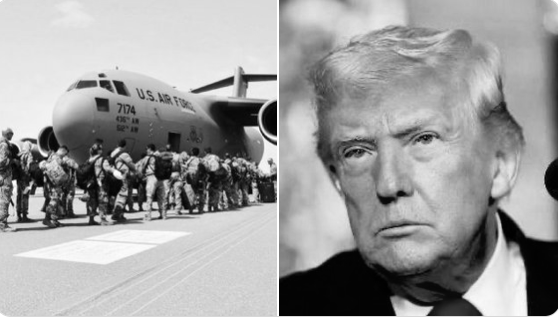
Iraq regains full control of key air base, U.S. issues no statement
U.S. forces have fully withdrawn from the Ain al‑Asad air base in western Iraq, with the Iraqi military assuming full control, Iraqi officials confirmed on January 17, 2026. The U.S. military has not issued any public statement regarding the withdrawal from Ain al‑Asad. The move fulfills part of a 2024 agreement between Washington and Baghdad to end the U.S.-led coalition’s combat role in Iraq and transition to a bilateral security relationship.
The agreement originally envisaged U.S. troops leaving Ain al‑Asad by September 2025, but a small unit of between 250 and 350 U.S. advisers and support personnel remained due to “developments in Syria,” Iraqi Prime Minister Mohammed Shia al-Sudani said last October. “With the developments in Syria, we had agreed to retain a small advisory unit temporarily,” al‑Sudani said. “Now, all U.S. personnel and equipment have departed, and full control of the base has returned to Iraq.”
Iraqi Army Chief of Staff Lieutenant General Abdul Amir Rashid Yarallah oversaw the handover of duties. “We have assigned responsibilities to all units stationed at the base,” Yarallah said. “We will intensify coordination, fully utilize the base’s capabilities, and strengthen our joint operations.”
The withdrawal completes the first phase of ending the international coalition’s mission against the Islamic State group within Iraq’s federal territory. Coalition bases and command headquarters in federal areas, including Ain al‑Asad and the Joint Operations Command, have been fully evacuated and transferred to Iraqi control.
Under the 2024 framework, the second phase runs through September 2026 and focuses on ongoing cooperation, logistics, and counter-ISIS operations in neighboring Syria. Iraqi forces may conduct joint operations with U.S. forces from Ain al‑Asad if necessary.
Al‑Sudani highlighted the implications for non-state armed groups, saying, “Once the coalition withdrawal is complete, there will be no need or justification for any group to carry weapons outside the scope of the state.”
While most U.S. forces have left federal Iraq, American personnel remain active in the semi-autonomous Kurdish region and in neighboring Syria supporting counter-ISIS efforts.