
Iran Vows Consequences as Trump Calls Strait of Hormuz Strikes Self-Defence
The United States has once again escalated tensions in West Asia, launching overnight strikes on targets in southern Iran even as diplomatic negotiations between the two countries continue in Qatar . Just when the prospect of a negotiated settlement appeared within reach, Washington chose to remind Tehran that it reserves the right to act militarily while talking peace, a contradiction that has become something of a defining feature of this administration's foreign policy posture.
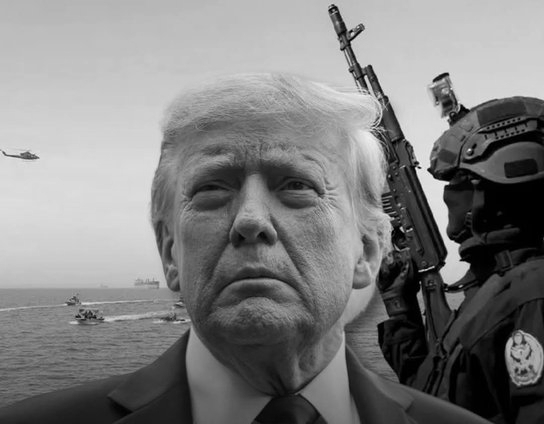
American forces struck sites near the Strait of Hormuz , targeting what Washington described as missile launch positions and vessels allegedly attempting to lay sea mines. The United States has characterised the attacks as acts of self-defence. However, these strikes come against the backdrop of a ceasefire that was formally agreed upon between the two countries on the 8th of April. Tehran has swiftly and officially condemned the attacks, accusing Washington of ceasefire violations and warning that the United States will bear full responsibility for the consequences.
Among the targeted locations was Bandar Abbas , a port city that sits strategically adjacent to the Strait of Hormuz and hosts a major Iranian naval base . The strait is not merely a body of water; it is the artery through which a substantial portion of the world's oil supply flows. Iran's proximity to it has long been its most potent geopolitical instrument, and any military action in the vicinity carries consequences far beyond the immediate theatre of conflict.
Tehran has not responded with silence. Iran claimed to have shot down an American MQ-9 Reaper drone , one of the United States' most sophisticated military unmanned aircraft, valued at upwards of thirty million dollars and capable of both prolonged surveillance and precision strikes. Iranian officials further claimed to have fired upon another surveillance drone and even targeted an F-35 stealth fighter jet. Washington has neither confirmed nor denied these claims, but Iran's message is unmistakable: American operations will not proceed without cost.
Iran's Supreme Leader issued a pointed warning to countries across the region, making clear that American military bases in nations such as Qatar, Bahrain, Saudi Arabia, and the UAE could no longer be considered safe or beyond reach. The statement was deliberate and calculated, signalling that the conflict, if it continues to escalate, will not remain a bilateral affair between Washington and Tehran but could engulf the broader region.
And yet, curiously, the negotiations have not collapsed. Senior Iranian negotiators arrived in Doha for another round of talks with American counterparts even as bombs were still falling on Iranian soil. Both sides publicly profess a desire for a deal. American officials have described the preliminary framework with cautious optimism, noting that disagreements persist even at the level of individual words and sentences in the draft agreement. Iranian officials, for their part, have pointed to precisely this kind of behaviour as the central obstacle to any durable settlement, arguing that Washington's willingness to attack while negotiating renders the entire process deeply unreliable.
The substance of these talks is anything but narrow. Washington is demanding limits on Iran's ballistic missile programme and the dismantlement of its nuclear capabilities. Iran is seeking meaningful sanctions relief and the release of tens of billions of dollars in frozen assets held abroad, with reports suggesting Tehran has asked for approximately twenty-four billion dollars to be unfrozen in phases. Behind all of this looms the unresolved question of the Strait of Hormuz itself, which Iran regards as its primary source of leverage and which Washington insists must remain freely navigable under all circumstances.
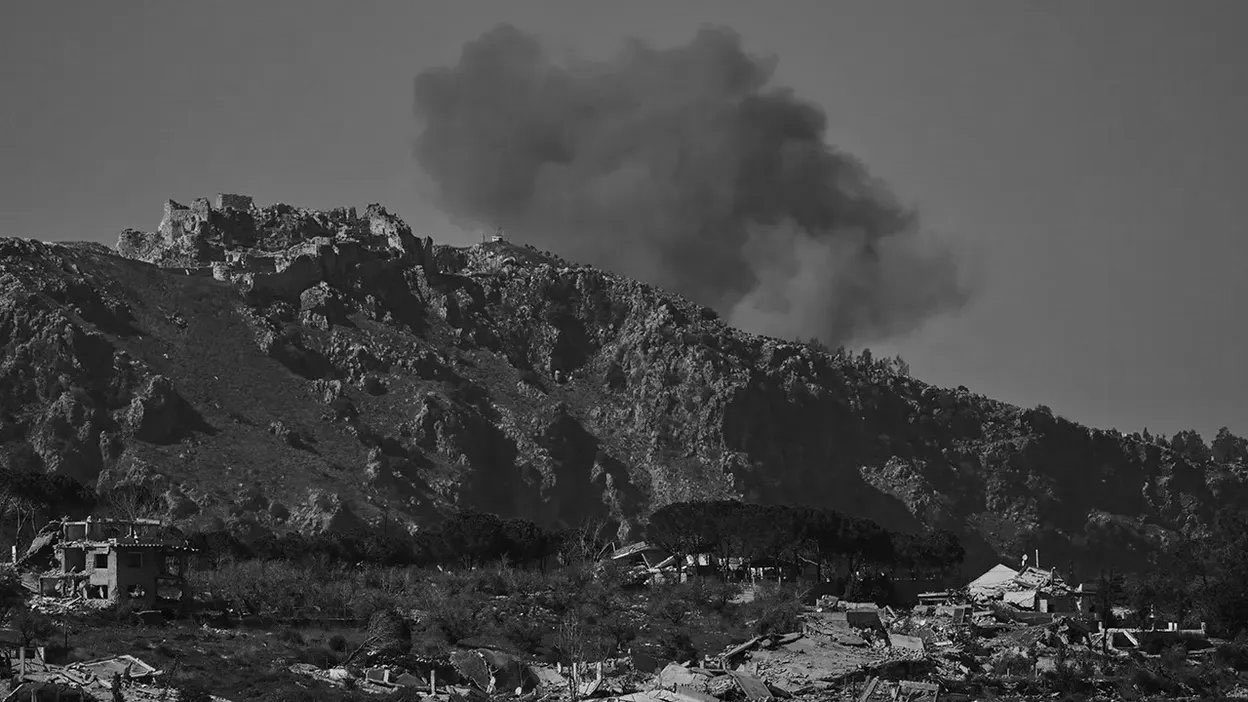
Israel has added another layer of complexity to an already volatile situation by escalating its operations in Lebanon once more. Prime Minister Benjamin Netanyahu announced an intensification of strikes against Hezbollah, and smoke has been seen rising over southern Lebanon despite a truce ostensibly in effect there as well. For the civilian population, the situation is one of unrelenting anxiety, with daily life upended and every drone overhead a potential harbinger of destruction.
Global oil markets have reacted sharply . Brent crude surged as fears over disruption to Hormuz-bound shipping returned with full force. Stock markets across multiple regions declined. Investors find themselves caught between the possibility of a diplomatic breakthrough and the very real prospect of a fresh and broader escalation, oscillating between optimism and dread with each new headline.
The fundamental question this moment poses is a simple one: what exactly does the United States want? Its stated objective is a comprehensive agreement with Iran. Yet it continues to conduct strikes against a country it is supposedly trying to negotiate with, apparently operating on the theory that military pressure and diplomatic engagement can somehow function as complementary strategies rather than contradictory ones. Whether that theory holds, or whether the next strike finally breaks the talks entirely, is the question on which the stability of the entire region now hinges.