
Iran Targets US Bases In Gulf, America Retaliates With Strike On Qeshm Island
The conflict between Iran and the United States is escalating again, with both sides targeting strategic military installations across West Asia. Iran has claimed attacks on American military assets in the Gulf, while US fighter jets have struck an Iranian missile site, raising fears of another round of intense fighting in the region.
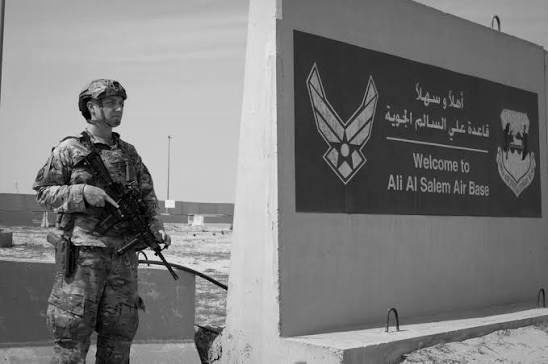
Iran claims it has struck a US military base in Kuwait, targeting drone and missile installations at the Ali Al-Salem Air Base, which hosts American troops. Kuwait is not the only Gulf country facing the threat of Iranian attacks. Bahrain is also on alert, with its military reporting the interception of several Iranian attacks.
The United States, meanwhile, has retaliated by striking an Iranian missile site on Qeshm Island. It is home to Iranian naval bases and underground military installations. The US strike therefore carries considerable military significance. Washington has described the operation as an act of self-defence, arguing that Iran's Islamic Revolutionary Guard Corps (IRGC) had targeted American troops and military bases.
The renewed fighting also raises questions about the diplomatic efforts to end the conflict. US President Donald Trump had previously declared the war 'militarily over', but tensions have continued to escalate. Tehran believes Trump is facing growing domestic pressure following the Republican Party's midterm election defeat. His Vice President, JD Vance, has linked the political setback to the Iran war and advocated diplomacy. Trump, however, publicly told Vance to stay away from Iran-related matters and concentrate on domestic issues.
Tehran is closely watching these developments and believes Washington is politically divided and eager to end the conflict. This perception has strengthened Iran's negotiating position, prompting it to adopt a harder stance in diplomatic discussions.
An Iranian warning has further underlined the country's position, with Tehran threatening a more devastating response if its adversaries repeat actions that previously triggered retaliation. It also warned that any response would extend to the enemy and its backers, without geographical boundaries.
The conflict is also spreading through Iran's regional network of allies and armed groups. In Iraq, Iran-backed militias, including Kataib Hezbollah, remain a potential source of further attacks on American forces, despite pressure from the Iraqi government to rein in armed groups. Meanwhile, Saudi Arabia has been drawn into the escalating confrontation.
On Wednesday, Iran-backed Houthi rebels in Yemen launched missiles towards Riyadh after a Saudi-led coalition carried out major airstrikes against Houthi positions in Yemen, targeting ballistic missile warehouses and drone facilities. The Houthis claimed that at least 17 people were killed in the strikes. Saudi Arabia said the missiles targeting its capital were intercepted.