
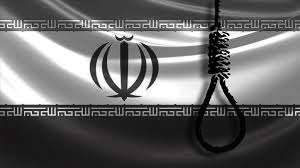
Iran puts to death man accused of spying for Israel’s Mossad
Iran has executed a man convicted of spying for Israel’s Mossad, state media reported on Wednesday, amid sharply escalating tensions between the two longtime adversaries.
The official Islamic Republic News Agency (IRNA) identified the executed man as Ali Ardestani , alleging that he passed sensitive information to Mossad operatives in exchange for financial rewards, including payments made through cryptocurrencies. According to the report, Ardestani confessed to the charges and had hoped to receive a reward of up to one million dollars, along with assistance in obtaining a British visa.
IRNA described Ardestani as a “ special operative force of Israel ” and claimed that he supplied Mossad agents with images and video footage of “special places” inside Iran. The agency did not disclose details about the time or location of his arrest but said he was recruited online by Israeli intelligence. The report added that the case went through all required legal procedures, including trials in lower courts and a final review by Iran’s Supreme Court, before the execution was carried out.
Executions remain common across several Middle Eastern countries, with human rights groups reporting a sharp rise in the use of capital punishment in recent years. In Iran, rights organisations estimate that more than 1,000 people have been executed so far this year , marking one of the highest annual totals in over a decade. Saudi Arabia has also reported record figures, with over 350 executions carried out this year , largely driven by convictions related to drug-trafficking offences. Activists warn that the regional trend points to an expanding use of the death penalty, including for political, security-related, and non-violent crimes.
Human rights organisations and several Western governments have repeatedly criticised Iran’s growing reliance on capital punishment, particularly in cases involving political dissent and espionage. Activists argue that many convictions rely on coerced confessions and that trials often take place behind closed doors without access to independent legal representation.
Iranian authorities reject these allegations, maintaining that those executed were “agents of hostile intelligence services” involved in terrorism, sabotage, or threats to national security.
Tehran has long accused Israel of orchestrating a covert campaign inside Iran, including assassinations of nuclear scientists and cyberattacks targeting strategic facilities. Iranian officials say at least 12 people have been executed for espionage since a brief but intense air conflict with Israel in June. That confrontation reportedly killed nearly 1,100 people in Iran , including senior military commanders and nuclear scientists, while Iran’s retaliatory missile strikes killed 28 people in Israel . The exchange has left both sides on high alert and further inflamed tensions across the region.