
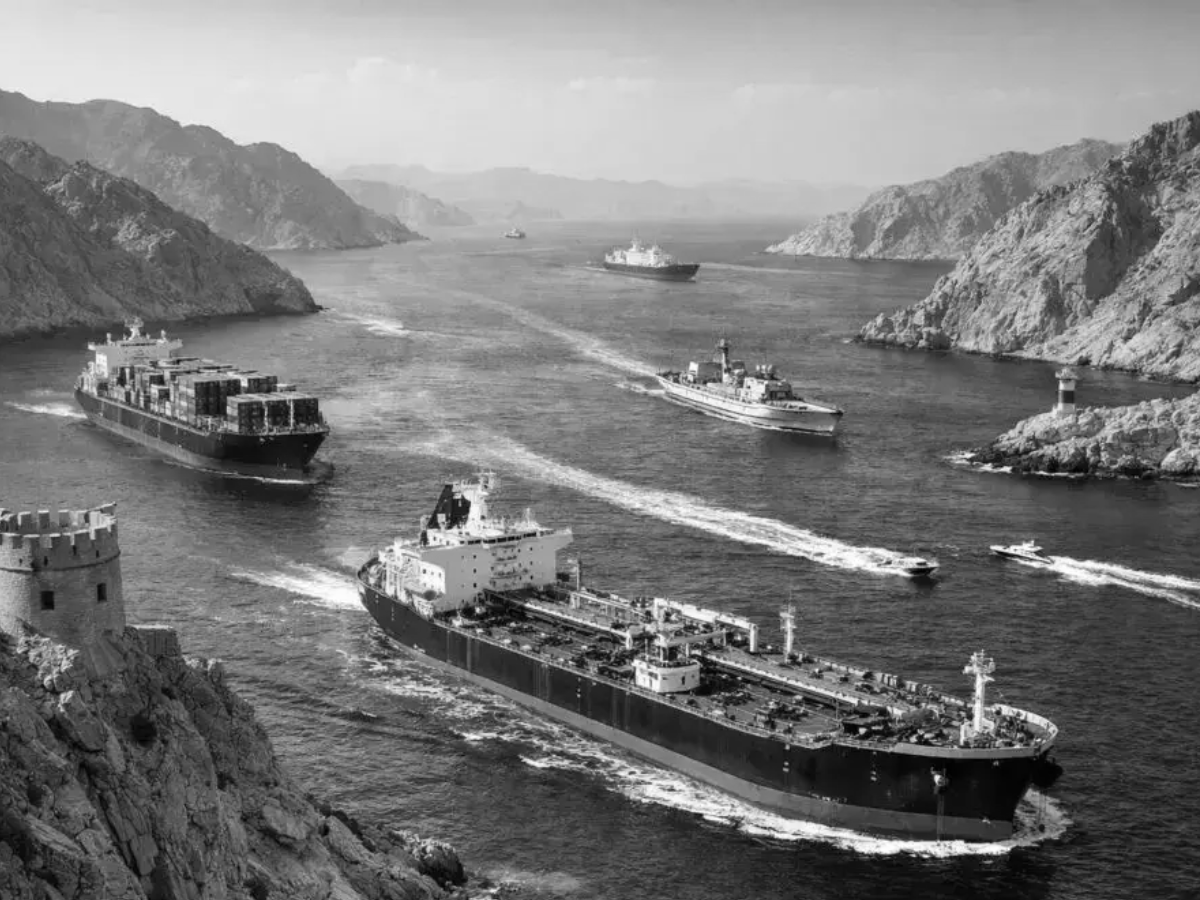
Iran Opens Strait of Hormuz for Commercial Shipping Amid Ceasefire
Iran on Friday announced that the Strait of Hormuz is “ completely open ” for all commercial vessels during the ongoing ceasefire period, signalling a tentative easing of tensions in the region, even as diplomatic efforts intensify to end the conflict with the United States.
The announcement was made by Iranian Foreign Minister Abbas Araghchi , who said that the passage would remain open for the duration of the ceasefire , though vessels must adhere to designated coordinated routes laid down by Iran’s Ports and Maritime Organisation. The move comes a day after a 10-day ceasefire linked to Lebanon–Israel hostilities was announced.
US President Donald Trump welcomed the development, describing the waterway as “open and ready for full passage”. However, he made it clear that the US naval blockade on Iran will continue , remaining in force until a comprehensive agreement is reached. Trump expressed optimism about ongoing negotiations, stating that “most of the points are already negotiated” and hinting that a final deal could be concluded soon.
The Strait of Hormuz, a critical artery for global oil shipments, had been effectively disrupted amid the recent escalation involving the US, Israel and Iran, raising concerns over energy supplies worldwide. Its reopening is therefore being viewed as a significant de-escalatory step , though conditional in nature.
Parallel to these developments, intense diplomatic activity is underway, with Pakistan emerging as a key mediator. Pakistan’s Chief of Defence Forces Asim Munir visited Tehran and held discussions with top Iranian leadership, including President Masoud Pezeshkian and senior Revolutionary Guards commanders, focusing on pathways to end the conflict and ensure regional stability.
Officials indicated that the visit was part of broader efforts to facilitate dialogue between Washington and Tehran , with reports suggesting that messages were conveyed and groundwork laid for further negotiations. Munir emphasised the need to sustain efforts towards peace under the current ceasefire framework.
Pakistan has also begun preparations to host a second round of high-stakes talks between the US and Iran, likely to take place in Islamabad next week. The first round of direct talks, held recently, ended without an agreement, but diplomatic engagement has continued behind the scenes. Authorities have initiated large-scale security arrangements in Islamabad and Rawalpindi, signalling the seriousness of the upcoming negotiations.
Prime Minister Shehbaz Sharif has simultaneously stepped up regional outreach, engaging leaders in Saudi Arabia, Qatar and Türkiye to build support for the peace process. His interactions with US officials have also focused on sustaining momentum towards a negotiated settlement.
Trump has indicated that he may travel to Islamabad if a final agreement is signed there, underscoring the importance of Pakistan’s mediatory role. He also suggested that the ongoing ceasefire, which is set to expire on April 21, could be extended if necessary, although he expressed hope that a deal would be reached before the deadline.
The conflict, which escalated following US and Israeli strikes on Iran earlier this year, has triggered widespread instability in the region. While the reopening of the Strait of Hormuz and the continuation of ceasefire conditions offer cautious optimism , the situation remains fluid, with the outcome hinging on the success of the upcoming diplomatic engagements.