
Iran-Oman Plot New Hormuz Route, But Will the US Let Ships Pass?
Iran and Oman have taken a significant step toward reopening the Strait of Hormuz, agreeing on a framework for a temporary joint navigation corridor through the strategic waterway, even as uncertainty remains over whether Washington will accept the arrangement.
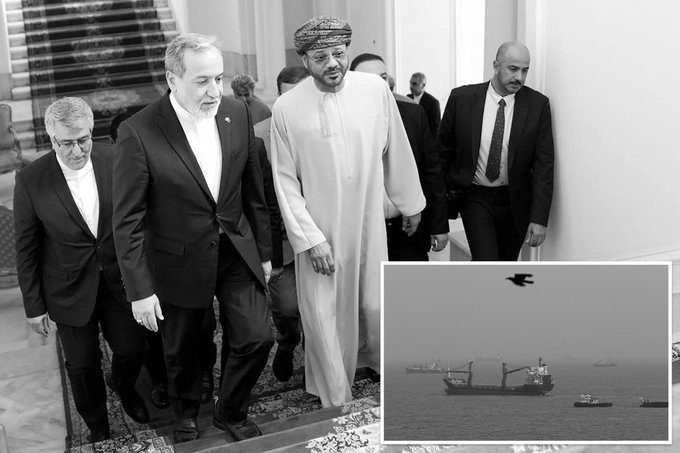
Omani Foreign Minister Badr Albusaidi travelled to Tehran on August 25 for talks with Iranian counterpart Abbas Araghchi. A joint statement said the two sides discussed a “phased framework” for a temporary navigation corridor, along with a project to clear mines from the strait. The talks are also expected to cover information-sharing, traffic management, navigational and security services, and possible discussions with other Gulf states.
Iranian Deputy Foreign Minister Kazem Gharibabadi said the proposed corridor would be about 7 miles (11.3 km) wide, with inbound vessels using Iranian territorial waters and portions of the outbound route also passing through Iranian waters. He stressed that the arrangement would be temporary.
The mine-clearing plan appeared to contradict President Donald Trump’s claim that the US Navy had told him all mines had already been removed from international waters in Hormuz. Trump has also warned Oman against obstructing Washington’s efforts to reopen the strait.
The talks came a day after US Treasury Secretary Scott Bessent said Washington would sanction entities doing business with Iran. Tehran has reportedly dropped its demand for full control over shipping in both directions but continues to insist it is negotiating with Oman, not the United States. Iran has also floated a fee system for ships using the strait.
Tensions remain high. An oil tanker was struck by an unidentified projectile near Oman’s Ash Shishah, according to UK Maritime Trade Operations. Iran has also blacklisted 45 ships, affecting companies involved in shipping and ship-to-ship transfers.
Meanwhile, shipping traffic remains sharply depressed. Reuters reported on August 26 that only five commodity vessels crossed Hormuz on Tuesday, compared with a 10-day average of 15.
The Strait of Hormuz previously carried about one-fifth of global oil and LNG shipments, making the success of the proposed corridor crucial for energy markets and global trade.