
Iran Ghosted the US in Islamabad: Araghchi Left Before Trump's Envoys Arrived
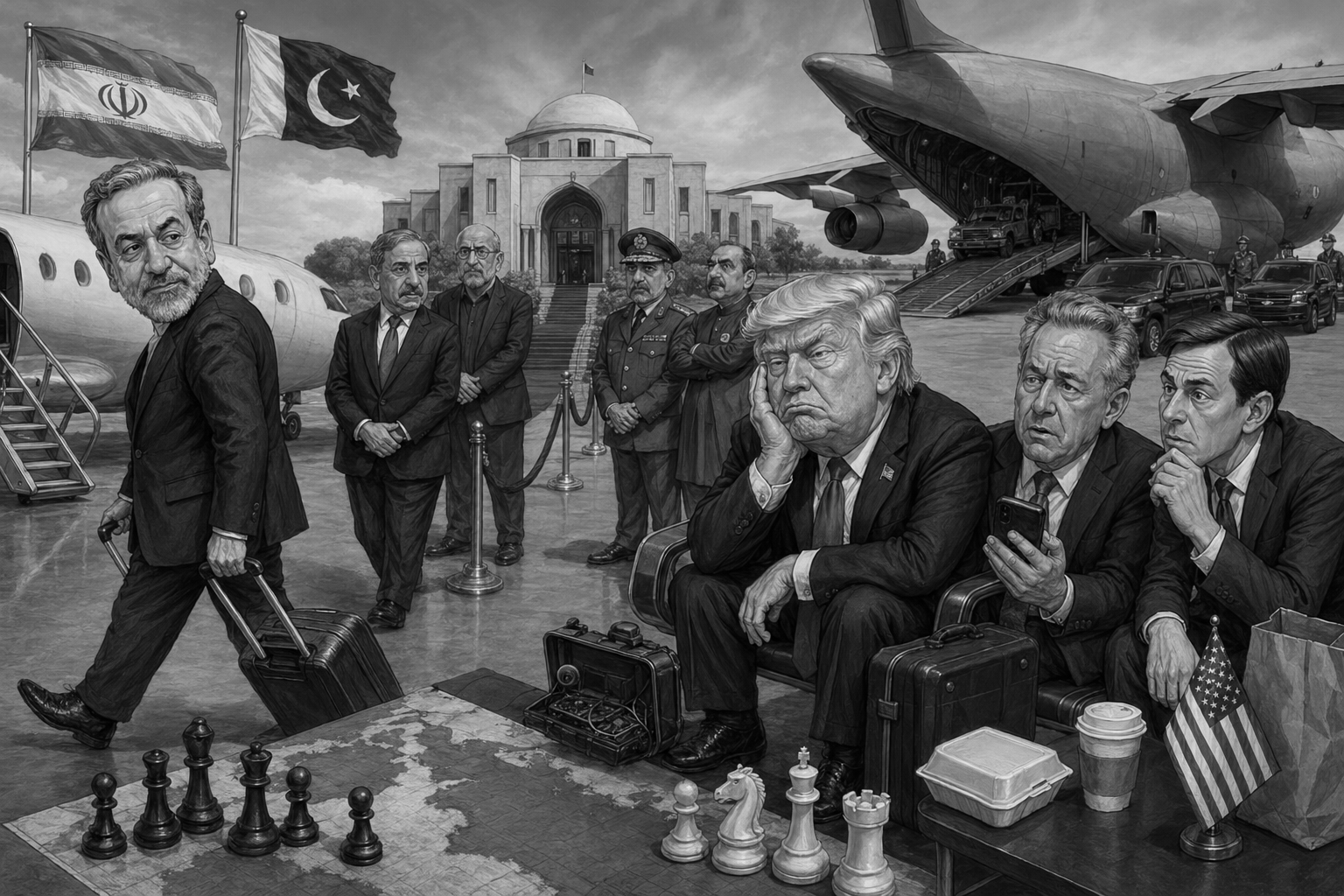
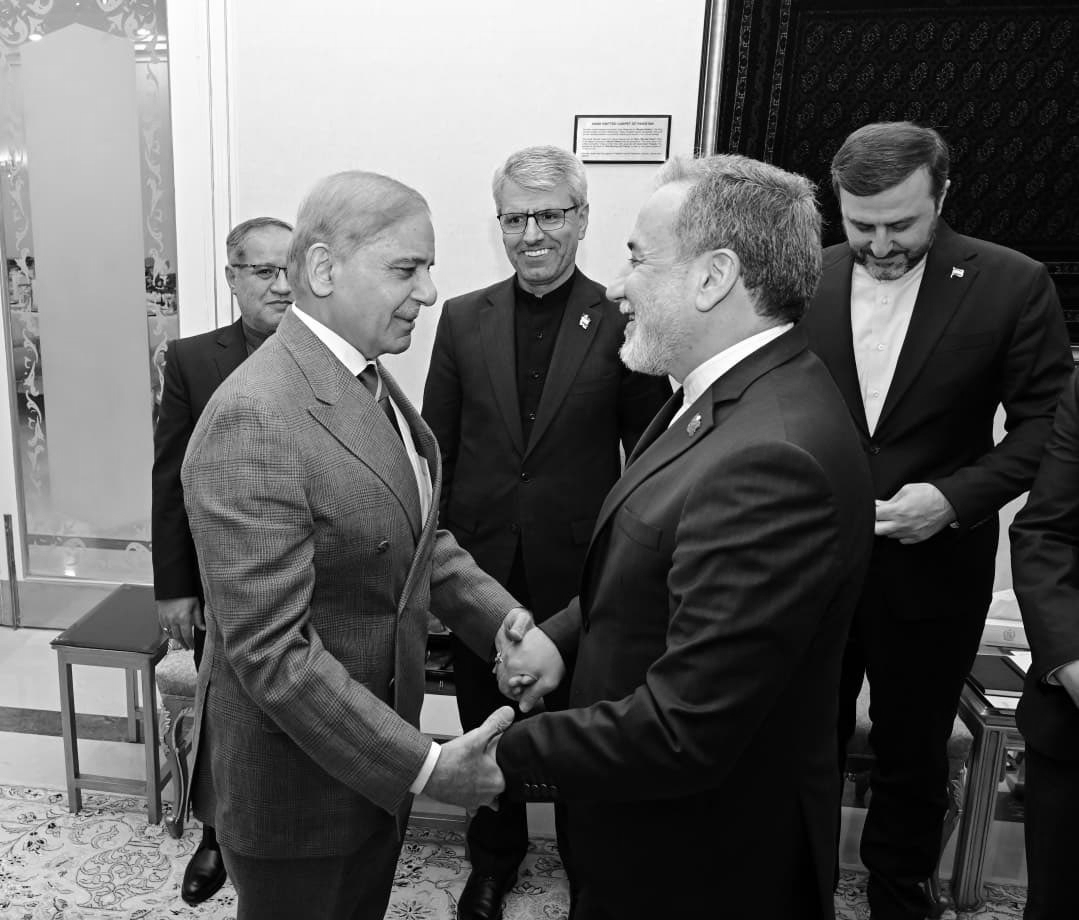
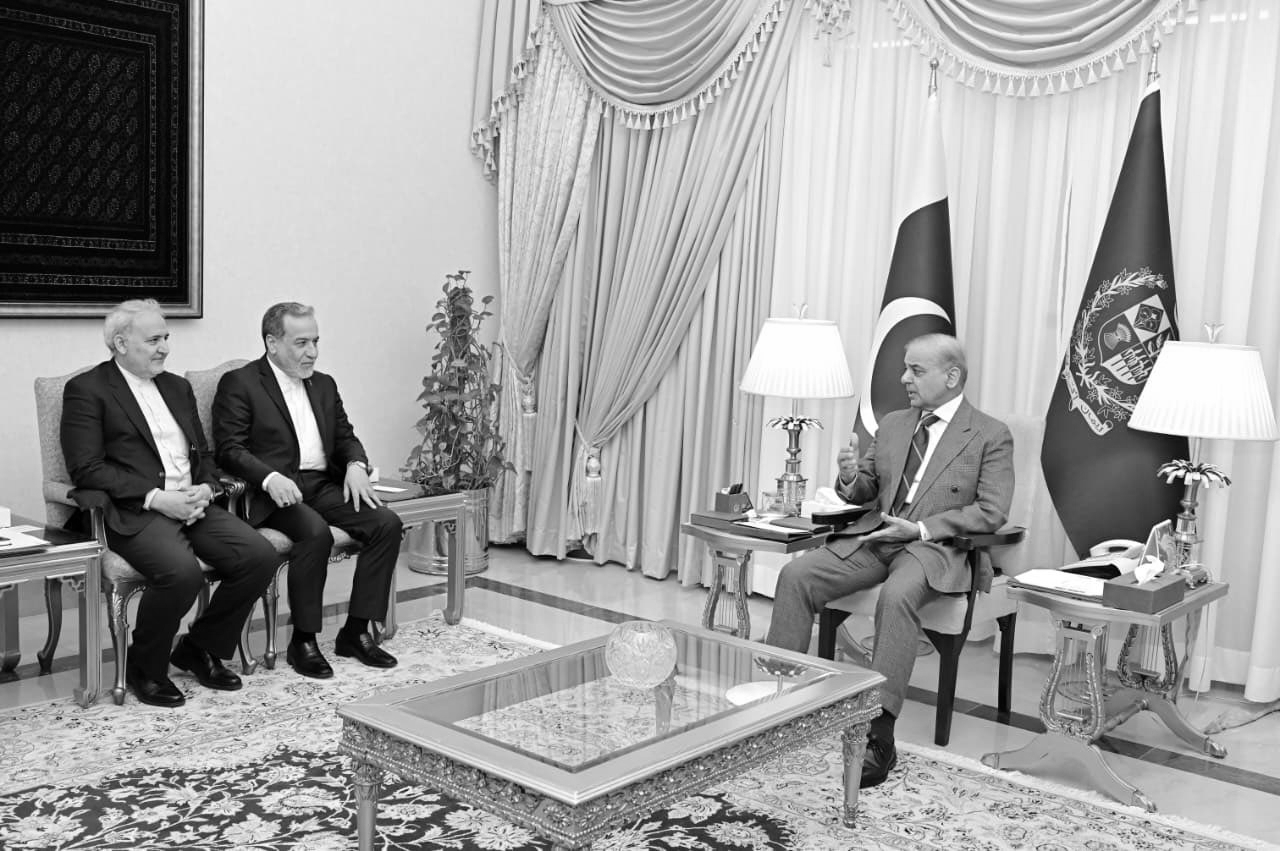
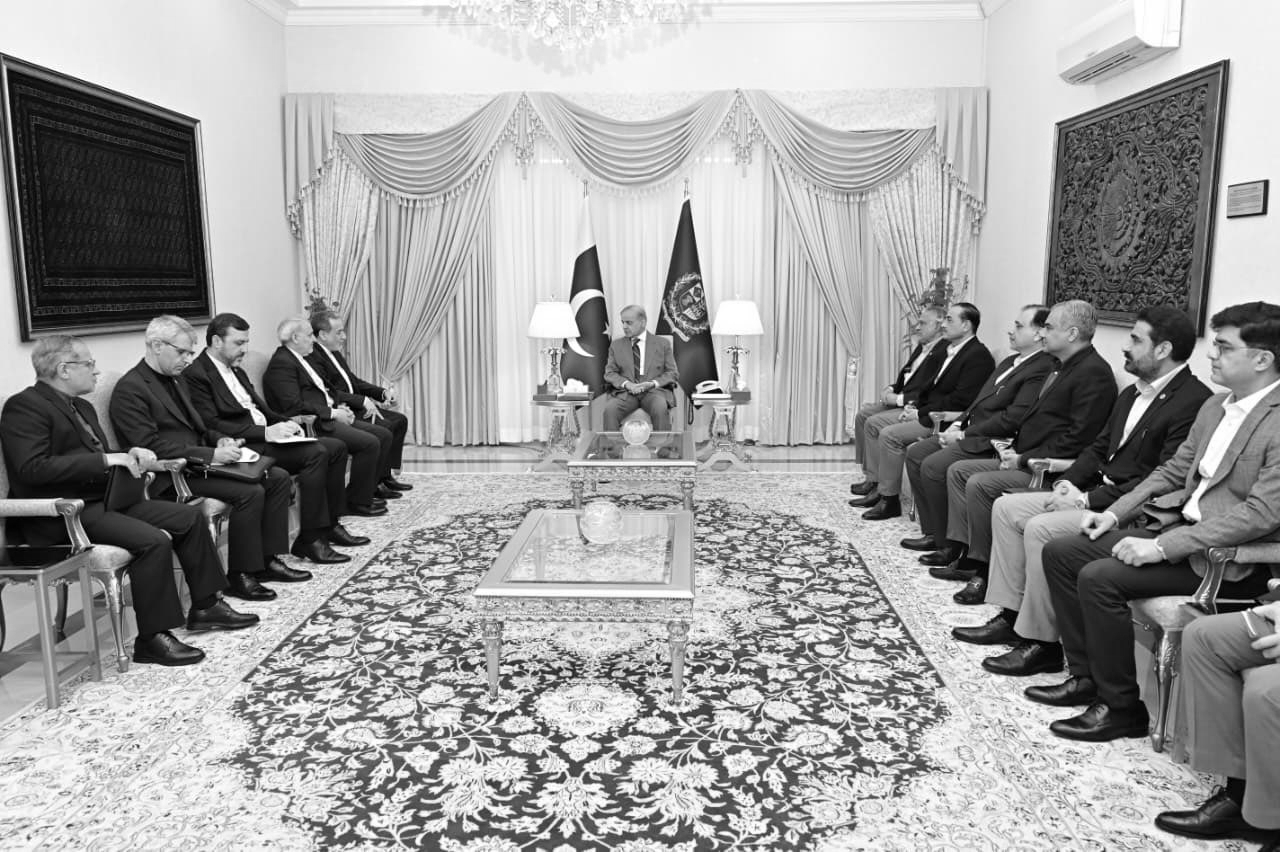
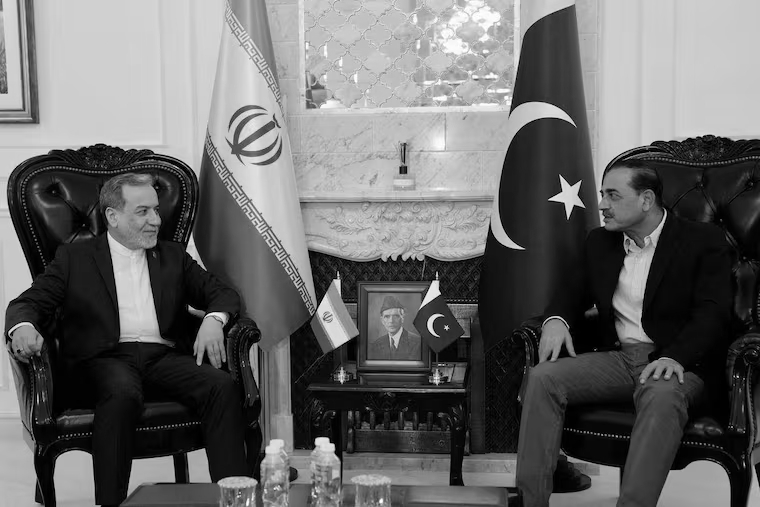
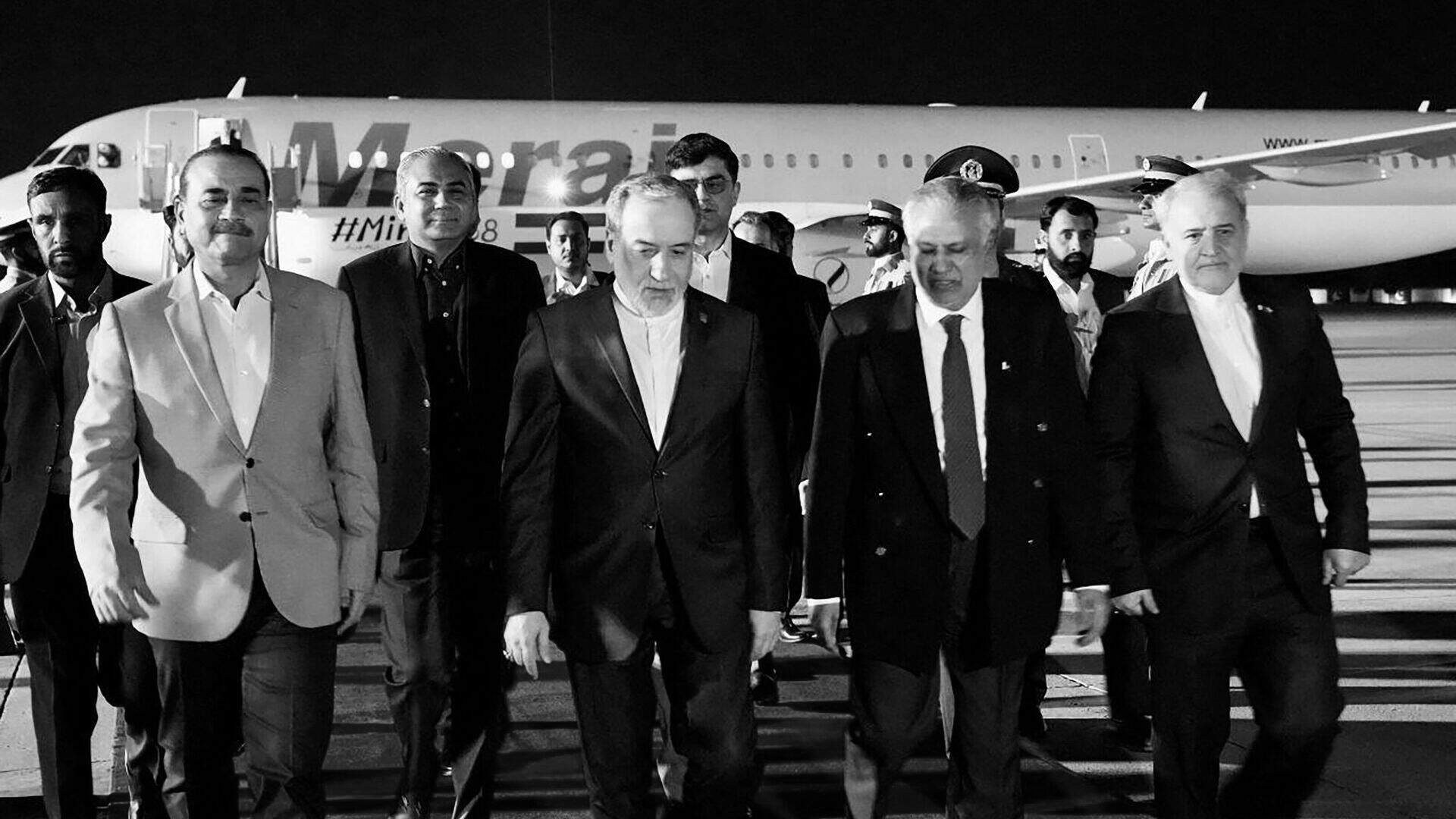
The world watched what may be remembered as the most consequential non-meeting in modern diplomatic history. Iranian Foreign Minister Abbas Araghchi departed Islamabad before any sign that US envoys had even arrived for indirect ceasefire talks. He had flown in, delivered Tehran's red lines to Pakistan's leadership, and quietly flew out - destination Oman, then Moscow. Meanwhile, Steve Witkoff and Jared Kushner had yet to depart Florida as of 11 a.m. local time.Iran ghosted Washington and it did so with surgical precision.
The ghost move stings harder when you understand just how much the Trump administration wanted this meeting. The White House had publicly confirmed the trip, dispatched Witkoff and Kushner, kept Vice President JD Vance on standby, and stationed nine US aircraft in Islamabad carrying communications equipment, vehicles, and security personnel. Trump was, by every measure, leaning in hard. And then came the turns that made the day truly extraordinary. While Washington was still figuring out whether its envoys were boarding their plane, Araghchi was already airborne and feeling confident enough to twist the knife publicly. The Iranian Foreign Minister described his Islamabad visit as a "very fruitful visit" and took a "serious" shot at the United States in his departing remarks, effectively waving goodbye to a meeting that Washington had announced, prepared for, and never got. Tehran said what they needed to say, to whom they needed to say it, without once sitting across from an American.
Trump, never one to absorb a slight in silence, erupted on Truth Social. In a post that blended frustration with characteristic bluster, he ranted that "too much time was being wasted on travelling" . The post reeked of a man recalibrating in real time, trying to make cancellation sound like a choice.
Because that is exactly what followed. Trump pulled the plug entirely , cancelling the Witkoff and Kushner trip to Pakistan with the kind of blunt declaration only he can deliver. "Not making an 18-hour flight to go" , a sentence that will be studied in diplomatic history classrooms for years, not for its eloquence, but for what it revealed: a superpower's peace offensive, collapsed into a Truth Social post.
Trump (a man who has never been shy about his distaste for appearing eager) was, by every signal, genuinely invested. He was practically ready to fly to Islamabad himself. For a president who has claimed victory in this war no fewer than four times , calling Iran's military "destroyed," Saturday in Islamabad was a rare and humbling spectacle. The world's self-declared dealmaker stood up.
The Venezuela model ( sanction, isolate, declare victory, repeat ) was supposed to be the template, but Iran fired that gun right back, and the glass Trump so confidently raised to toast his triumph exploded inward , shards of his own rhetoric now buried in his throat every time he tries to say the word "winning." Trump could have stayed out but walked into this war holding Netanyahu's hand , convinced he would emerge a conqueror, but instead finds himself the loudest loser in the room.
To understand why, you have to understand who is actually running Iran right now . This is a fierce internal power struggle, Parliamentary Speaker Mohammad Bagher Ghalibaf favouring negotiations while IRGC commander Ahmad Vahidi openly opposed participation. The Iranian delegation was reportedly told by officials close to Supreme Leader Mojtaba Khamenei not to raise the nuclear issue at all, an order Araghchi himself called a "death sentence" for the negotiations. Araghchi, the career diplomat with a doctorate from the University of Kent, has been steadily eclipsed by IRGC hardliners who now effectively set the terms of any engagement. He has no real authority to concede anything. He is Tehran's face, not its mind.
As one Iranian analyst put it, Khamenei functions as a "board director" with IRGC generals as "board members" who make all the decisions" on defence and foreign affairs. The generals are running this war and they are not ready to end it on anyone else's terms.
Meanwhile, the world is bleeding economically. About 20,000 mariners and 2,000 ships remain stranded in the Persian Gulf because of the Hormuz closure. Businesses have paid up to $4 million to move a single vessel through the Panama Canal as Hormuz remains choked, creating a seismic shift in global trade flows. Treasury Secretary Scott Bessent announced that the US will not renew oil waivers for either Iran or Russia, warning that Iran may have to start shuttering oil production within days . Defense Secretary Pete Hegseth , calling the Iran war a "gift to the world," said the naval blockade will continue "as long as it takes."
On the diplomatic periphery, the fractures are widening. Russia's Foreign Minister Sergey Lavrov said flatly that the US-Israel war on Iran was "a plan to control the oil through the Strait of Hormuz" , lumping it alongside the seizure of Venezuelan assets and recognition of Israeli sovereignty over the Golan Heights as part of Washington's habit of reaching for other people's oil. Germany signalled it is open to deploying minesweepers and maritime reconnaissance equipment in the Strait if an international mandate is agreed. Spain, facing threats of NATO suspension for refusing to support the war, pushed back defiantly, with Prime Minister Sanchez calling his country a "reliable NATO ally" and refusing to be pressured by internal Pentagon emails.
In Lebanon, Hezbollah's Ali Fayyad declared the three-week ceasefire extension "meaningless" given Israel's continued bombardment, assassinations, and occupation of a six-mile buffer zone in southern Lebanese territory. Netanyahu fired back that Israel maintains "full freedom of action against any threat" , Hezbollah rockets and Israeli airstrikes continued regardless of what any document said.
Back in Tehran, the regime's internal message was unmistakable. Iran executed Mehdi Farid , a former employee of Iran's Atomic Energy Organization , convicted of extensive cooperation with Israel's Mossad intelligence service. It was the latest in a string of accelerating spy executions, each one a signal to both the population and to Washington that the regime is tightening, not softening.
In a rare moment of fragile normalcy amid the ruins of war, Iran resumed commercial flights from Imam Khomeini International Airport in Tehran for the first time in 56 days , flights to Istanbul, Muscat, and Medina taking off as the country tentatively reached back toward the world. It was a small but striking symbol: a nation exhaling, slightly, while its diplomats were simultaneously ensuring that no peace deal was imminent.