
Iran Claims It Breached US THAAD, Patriot Systems as Trump Says America Is Winning
The United States and Iran conflict intensified after another night of reported US airstrikes in Syria, while Iran claimed it had launched retaliatory missile attacks on multiple American military positions across the Middle East. The escalating exchange comes as President Donald Trump insisted the US is "winning the war," even as Tehran claims it is successfully targeting advanced American air defense systems.
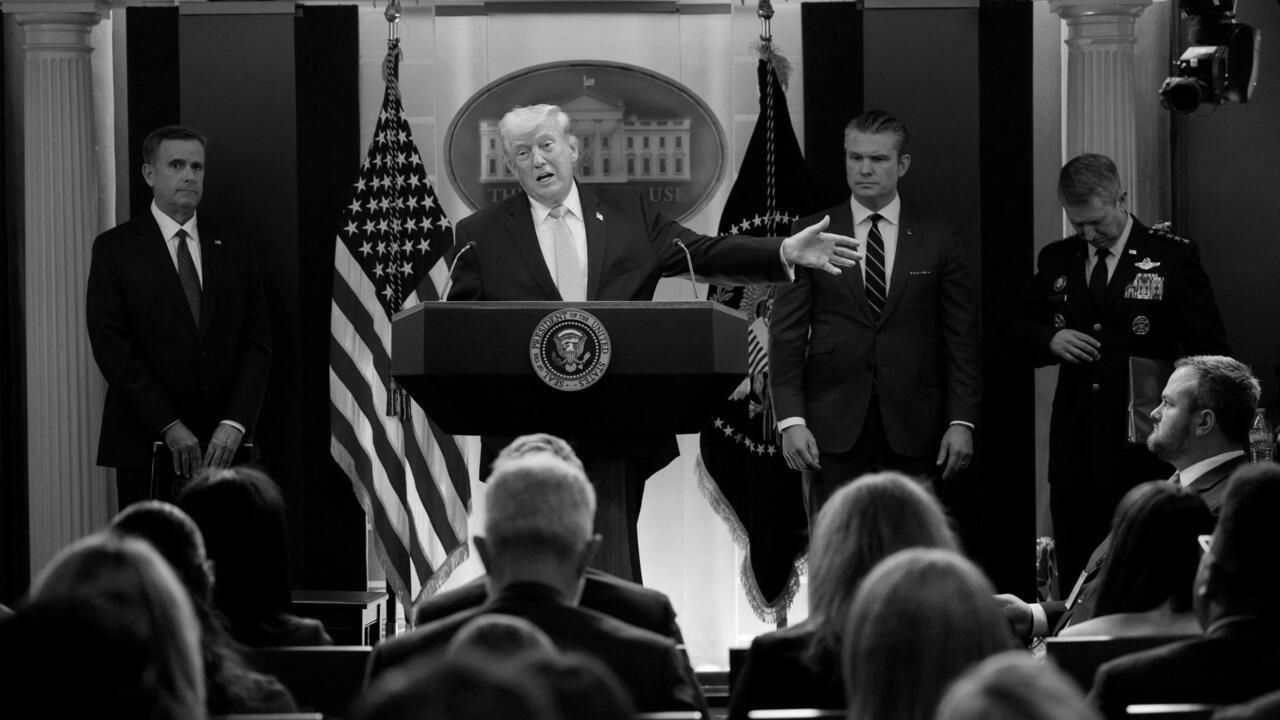
According to the US Central Command (CENTCOM), American forces carried out fresh airstrikes in Syria for the second consecutive night, releasing combat footage of the operation. Speaking during the funeral of a US service member reportedly killed in an Iranian attack, Trump declared that the United States was prevailing in the conflict and vowed that Iran would "never, ever" be able to threaten America as it had in the past.
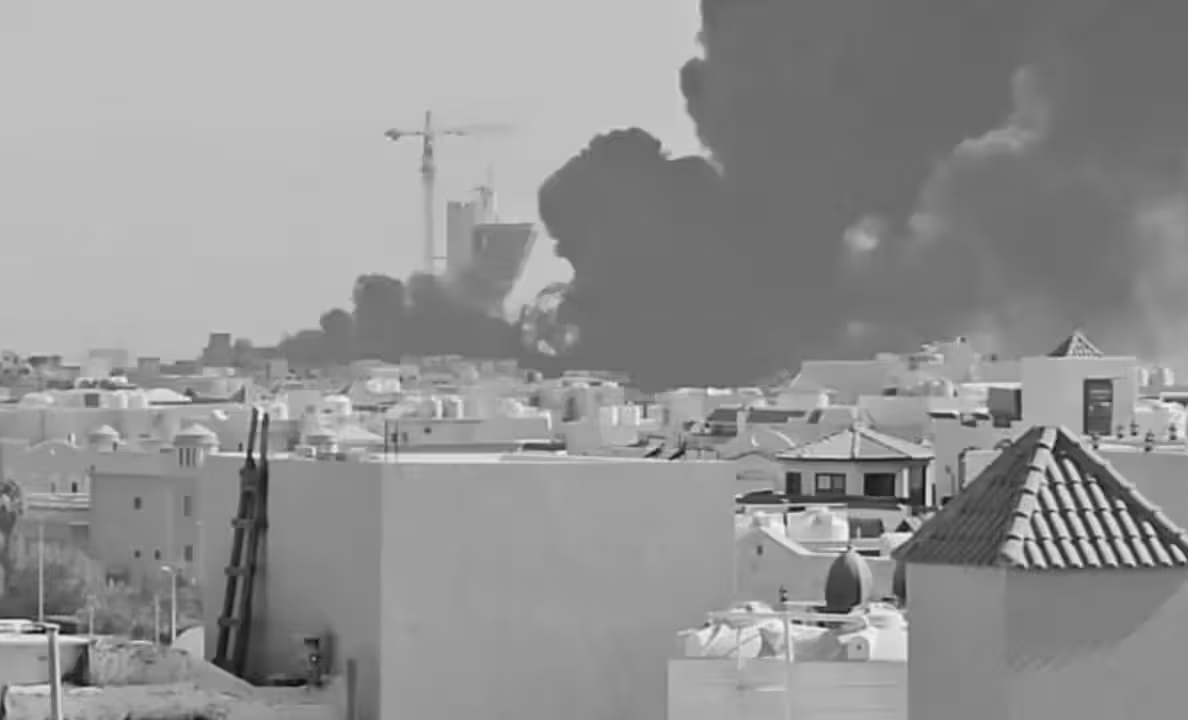
Hours later, Iran's Islamic Revolutionary Guard Corps (IRGC) announced retaliatory strikes using ballistic missiles against US military facilities in the region. Iranian state-linked reports claimed attacks on at least four American camps in Kuwait and US positions in Jordan.
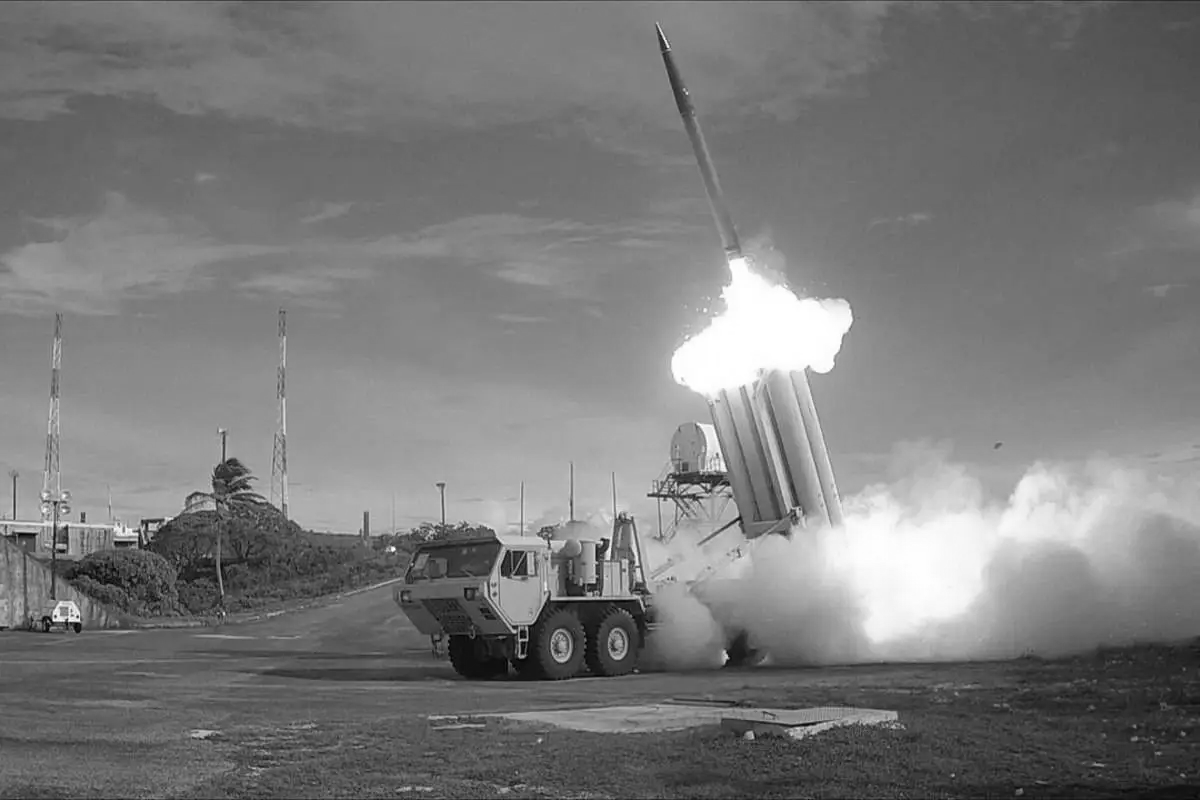
Tehran further claimed that the strikes damaged or destroyed key American air defense assets, including a THAAD (Terminal High Altitude Area Defense) battery, Patriot missile defense systems, a C-RAM (Counter Rocket, Artillery and Mortar) radar, and an MQ-9 Reaper drone depot. However, these claims have not been independently verified, and no official confirmation has been issued by the US military.
The reported claims have drawn attention because the targeted systems represent some of the most advanced and expensive elements of America's layered missile defense network. A THAAD battery is valued at several billion dollars, while Patriot systems and C-RAM defenses are critical to protecting US troops and military installations from missiles, rockets, drones, and artillery attacks.
Military analysts note that if even part of Iran's claims prove accurate, it would highlight the growing challenge posed by relatively inexpensive drones and missiles against sophisticated Western air defense systems. The conflict has increasingly demonstrated how low-cost unmanned aerial systems can pressure even highly advanced military networks.
Reports circulating on social media and pro-Iranian outlets have also alleged significant American equipment losses and casualties, including destroyed aircraft, damaged radar systems, and wounded personnel. However, these figures remain unverified and have not been acknowledged by Washington.
Despite the reported setbacks, the United States continues to maintain significant strategic advantages through its superior air power, satellite surveillance capabilities, precision-guided weapons, and global logistics network. Analysts say these strengths still provide Washington with considerable military superiority, even as Iran continues to demonstrate its ability to sustain retaliatory operations.
Amid the ongoing conflict, the US House of Representatives has approved a record defense budget for fiscal year 2027, reportedly totaling $1.5 trillion, marking a major increase from the previous year's military spending. Supporters argue the funding is necessary to strengthen American military readiness, while critics warn that the growing costs of prolonged conflicts will ultimately be borne by US taxpayers.