
Invalid, Unauthorised by Law: US Court Strikes Down Trump’s 10% Global Tariffs After SC Block
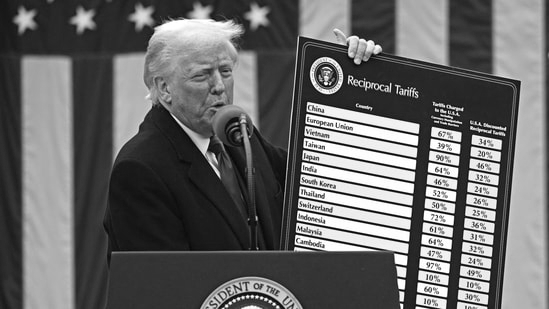
A US federal trade court in New York has ruled against President Donald Trump’s 10% global tariffs , declaring them “invalid” and “unauthorised by law” , in another major setback to his trade policy following an earlier Supreme Court decision.
In a 2-1 verdict, the Court of International Trade held that Trump exceeded his authority by imposing temporary global tariffs under Section 122 of the Trade Act of 1974 , which the court said was misapplied. The judges stated that the administration failed to demonstrate the required economic emergency conditions, making the tariffs unlawful.
The ruling comes after the US Supreme Court earlier this year blocked Trump’s broader tariff plan , forcing the administration to rely on narrower legal provisions. Following that setback, the White House introduced the temporary 10% global tariffs as a substitute measure.
The court said the tariffs were introduced without proper legal justification and therefore could not stand. The majority opinion emphasised that the executive branch cannot bypass congressional authority on trade matters.
The tariffs were challenged by the state of Washington and US businesses, including Burlap & Barrel and Basic Fun! , which argued that the duties significantly increased import costs and harmed operations. The decision currently applies only to these plaintiffs, leaving broader implications uncertain.
The Trump administration is expected to appeal the ruling to the US Court of Appeals for the Federal Circuit , with the possibility of the case reaching the Supreme Court again.
Despite the ruling, the administration continues to pursue alternative trade enforcement measures , including investigations under Sections 301 and 232 targeting major economies such as China, the European Union, and Japan over alleged unfair trade practices.
The decision adds to growing judicial scrutiny of presidential tariff powers and deepens uncertainty for global trade policy and import-dependent businesses.