
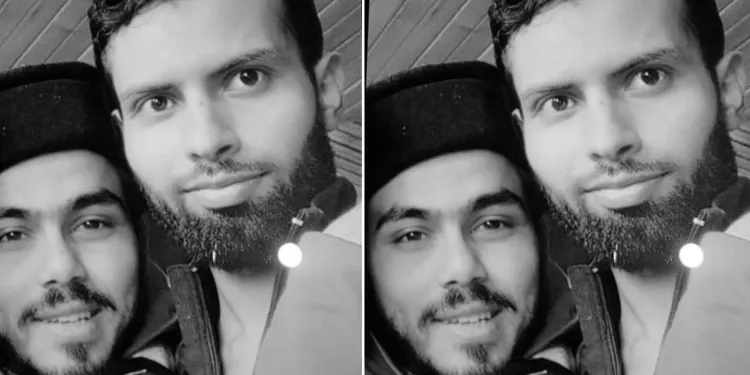
Inter-state LeT module busted, terrorist ‘Khargosh’ suspected to be in Saudi Arabia
A Lashkar-e-Taiba (LeT) terrorist , Umer Harris alias ‘Khargosh’, is believed to be in Saudi Arabia after allegedly fleeing India using a forged passport issued in the name of “Sajjad”, claiming residency in Rajasthan, officials said on Sunday.
The Srinagar Police , which is leading the investigation into an inter-state terror module , has shared details with central intelligence agencies. The case, registered earlier this month, is likely to be taken over by the National Investigation Agency (NIA), officials added.
Investigators said Harris, contrary to earlier reports linking him to Karachi, is originally from Khyber Pakhtunkhwa, Pakistan . He reportedly joined LeT to evade criminal prosecution in Karachi, where several arson cases were pending against him. He was pushed into Jammu and Kashmir in 2012 and infiltrated the Valley from the northern side.
During his stay, Harris lived in multiple locations including Bandipora and Srinagar and allegedly married the daughter of an LeT overground worker (OGW) in Jaipur under his assumed identity. Officials said the marriage documents were later used to support his Indian passport application , raising questions over verification procedures in Rajasthan.
According to investigators, Harris later travelled to Indonesia before moving to Saudi Arabia using another forged travel document in 2024–25 . Diplomatic efforts are underway to secure his deportation .
The revelations emerged after Srinagar Police busted a “ deep-rooted inter-state LeT module ” and arrested five people, including Pakistani terrorist Abdullah alias Abu Hureira , who had been active for 16 years. The module allegedly facilitated logistics, shelter and arms supply across Jammu and Kashmir, Rajasthan, Haryana and Punjab.
The operation, which began on March 31 and was monitored by DGP Nalin Prabhat , also uncovered financial and recruitment networks of LeT. Officials said the network relied on forged identities and civilian support structures , highlighting wider concerns over cross-border terror financing and security loopholes .