
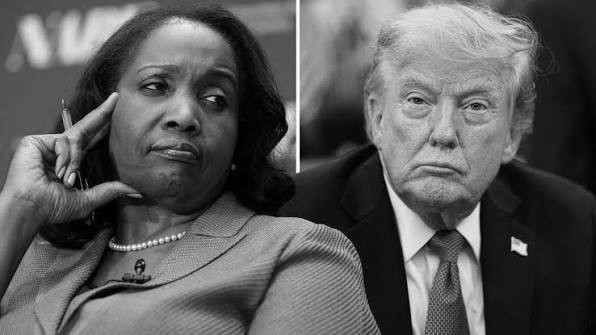
Inside Trump’s Battle With Lisa Cook and the Fight for Federal Reserve Independence
Lisa Cook’s fight to remain on the Federal Reserve Board has become a wider test of central-bank independence and the limits of presidential influence over US monetary policy.
Cook joined the Fed’s seven-member Board of Governors in 2022 and was confirmed for a term extending to 2038. All seven governors serve on the Federal Open Market Committee (FOMC), which sets the direction of monetary policy alongside regional Federal Reserve Bank presidents. Her seat carries a vote on decisions influencing borrowing costs, inflation and growth.
Cook’s removal could have consequences beyond one vacancy. If Trump succeeds, he could nominate a replacement for the remainder of her term, subject to Senate confirmation. That would give Trump another opportunity to shape the Board’s composition and strengthen his influence.
Trump has repeatedly criticized the Fed for keeping interest rates too high and has demanded faster rate cuts. Lower rates can reduce borrowing costs and support investment, housing and consumer spending, but cutting too aggressively while inflation remains elevated could reignite price pressures.
The Fed’s independence is intended to prevent short-term political considerations from determining interest-rate decisions. Governors receive lengthy, staggered terms and statutory protection against removal except for cause. The Supreme Court’s 2026 ruling in Trump v. Cook reinforced that protection while leaving open whether the allegations against Cook ultimately constitute sufficient cause.
A Trump-appointed replacement would not automatically control monetary policy. The FOMC includes regional Fed presidents, and governors are expected to exercise independent judgment. Repeated appointments could gradually alter the institution’s policy balance further.
The economic stakes could be significant. Greater political influence might increase expectations of easier monetary policy, potentially weakening confidence in the Fed’s inflation-fighting credibility. Investors could demand higher long-term bond yields, while renewed inflation could eventually force tighter policy.
Cook’s case therefore represents more than a personnel dispute. It is a test of whether the Federal Reserve can preserve institutional independence when presidential demands for lower rates collide with its mandate to maintain price stability and maximum employment.
.