
Inside Rajasthan: Tribal development gets a major boost
This afternoon in Banswara, the usually quiet Kushalbagh cricket stadium was buzzing with unusual activity. Long queues of families waited patiently, clutching documents, ration cards, and slips of paper. For many of them, this wasn’t just another government event, it was a chance to finally get the paperwork, the health support, and the benefits they had been waiting years for.
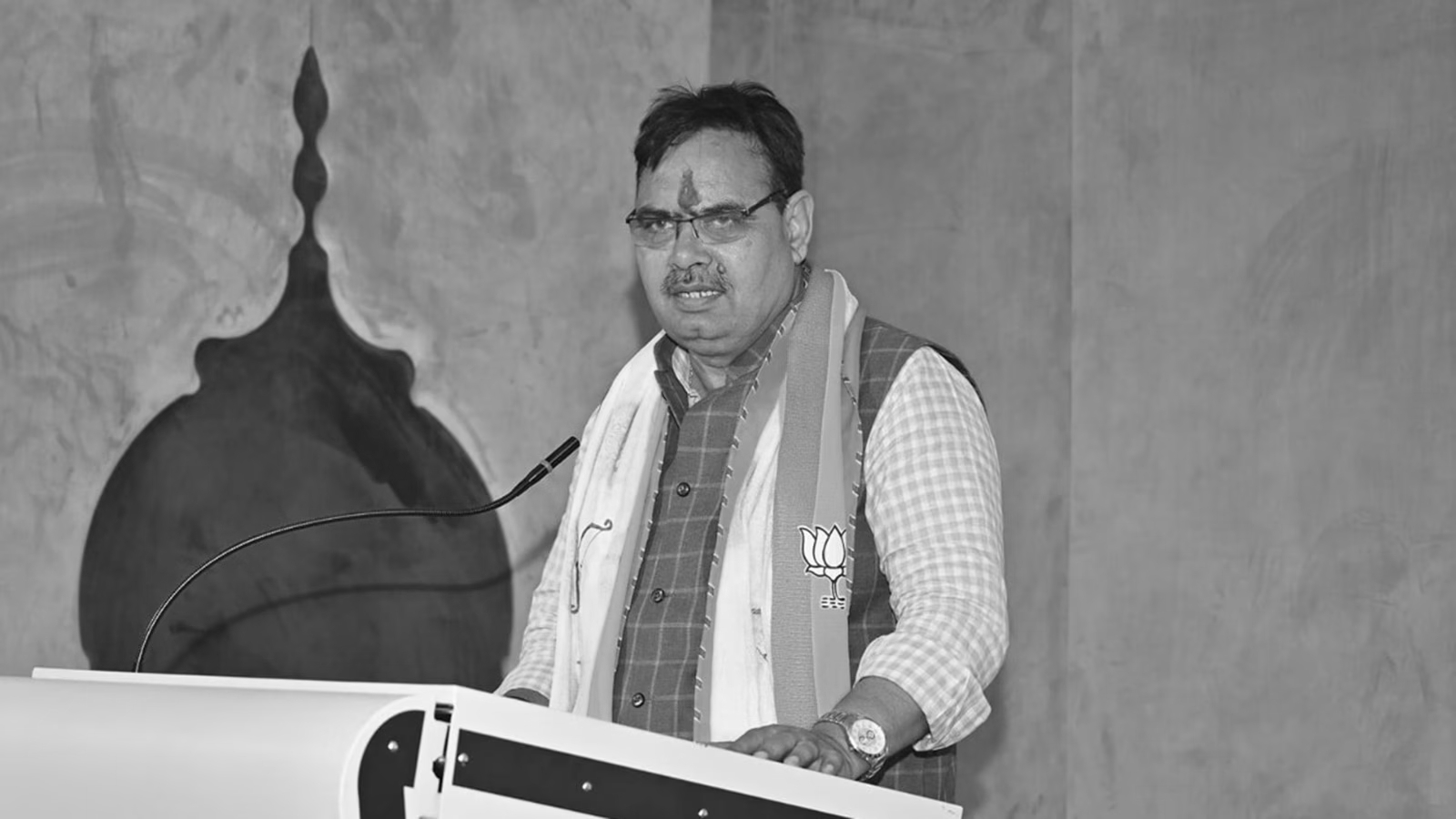
Chief Minister Bhajanlal Sharma arrived to oversee what he called a “double-engine government’s commitment” to the tribal belt of Vagad. But more than speeches, what stood out were the services being delivered on the spot. Birth certificates were being printed, pensions approved within minutes, ration cards updated without the endless rounds of offices. For tuberculosis patients, Nikshay Poshan kits were handed out, a lifeline for families already struggling with both illness and poverty.
This sudden rush of efficiency is part of Seva Pakhwada , a fortnight-long campaign launched to bring governance closer to the people. Unlike urban centres, Banswara’s tribal population often lives on the margins of the system. A missing certificate here means no pension, a delay in ration card renewal means food insecurity. For them, these camps are not about convenience, they are about survival.
Healthcare too is taking centre stage. Rajasthan has tied the fight against TB with grassroots nutrition, and the state’s Mukhyamantri Ayushman Arogya scheme promises up to ₹25 lakh in free treatment per family. If implemented well, this could shield families from medical debts that often push them deeper into poverty. Meanwhile, schemes like the Gopal Credit Card are quietly empowering cattle rearers and small farmers, turning dairy and livestock into sources of stable income.
Yet, beneath the optimism lies a question, will this momentum last? Camps can distribute kits and documents, but what happens when the tents are packed up and officials move on? Sustained change requires follow-up, regular health check-ups, functioning anganwadis, and schools that don’t just get repaired for a photo opportunity. It also means building trust within tribal communities and ensuring local panchayats and women’s groups are not just passive beneficiaries, but active partners.
The energy in Banswara reflects hope that a government can reach into forgotten corners and deliver dignity along with services. But the story will not be written in the stadium alone. It will be judged in the months ahead, in the villages and hamlets where children need nutrition, mothers need healthcare, and farmers need credit. If the camps become a routine way of governance rather than a one-time spectacle, Rajasthan’s tribal heartland could finally see the transformation it has long deserved.