
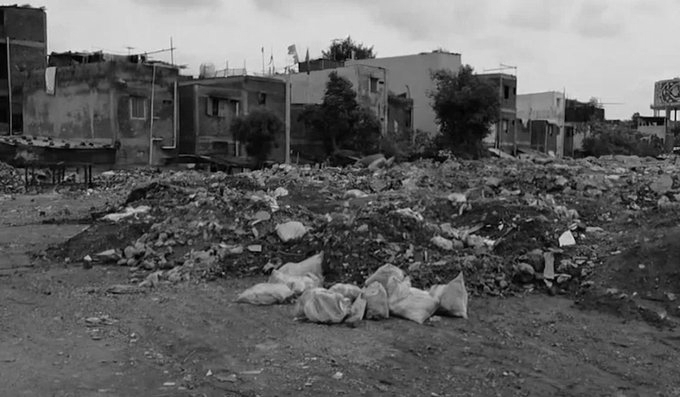
Indore's 'Ghost Hospital' Still Awaiting Construction Six Years After Approval
A proposed 100-bed civil hospital in Madhya Pradesh's Khajrana area has become the subject of public criticism after it emerged that the project, approved nearly six years ago, still exists only on paper despite sanctioned staff positions and government approvals.
The hospital project was initiated in 2019 and approved for construction in 2020 to improve healthcare access for nearly five lakh residents of Khajrana and adjoining localities. However, construction has yet to begin because the Health Department has not received possession of the five-acre plot earmarked for the facility.
Chief Medical and Health Officer Dr. Madhav Hasani said the land has been allotted but has not been formally transferred, preventing it from being handed over to the construction agency. He added that staff sanctioned for the hospital have instead been deployed at Chief Minister Sanjivani clinics and other government health institutions across the city.
Following widespread discussion on social media, where residents described the proposed facility as a " ghost hospital ," the Indore district administration clarified that no medicines or medical equipment have been procured in the hospital's name. District Magistrate Shivam Verma said the project has been delayed because the land is still being used by the Indore Municipal Corporation , but assured that the necessary formalities for its transfer would be completed soon.
According to the administration, 87 posts were approved for the hospital in 2021 . So far, 29 staff nurses, five pharmacists and one laboratory technician have been appointed and posted to other government facilities, while no doctors have been assigned to the proposed hospital.
Residents say the lack of a major government hospital forces patients to rely on Maharaja Yashwantrao Hospital and other public facilities, recalling the strain experienced during the COVID-19 pandemic .
The Khajrana hospital has also renewed concerns over delays in public infrastructure projects, where administrative hurdles particularly land acquisition and inter-departmental coordination often stall essential healthcare developments long after approvals are granted, leaving intended beneficiaries waiting for promised services.