
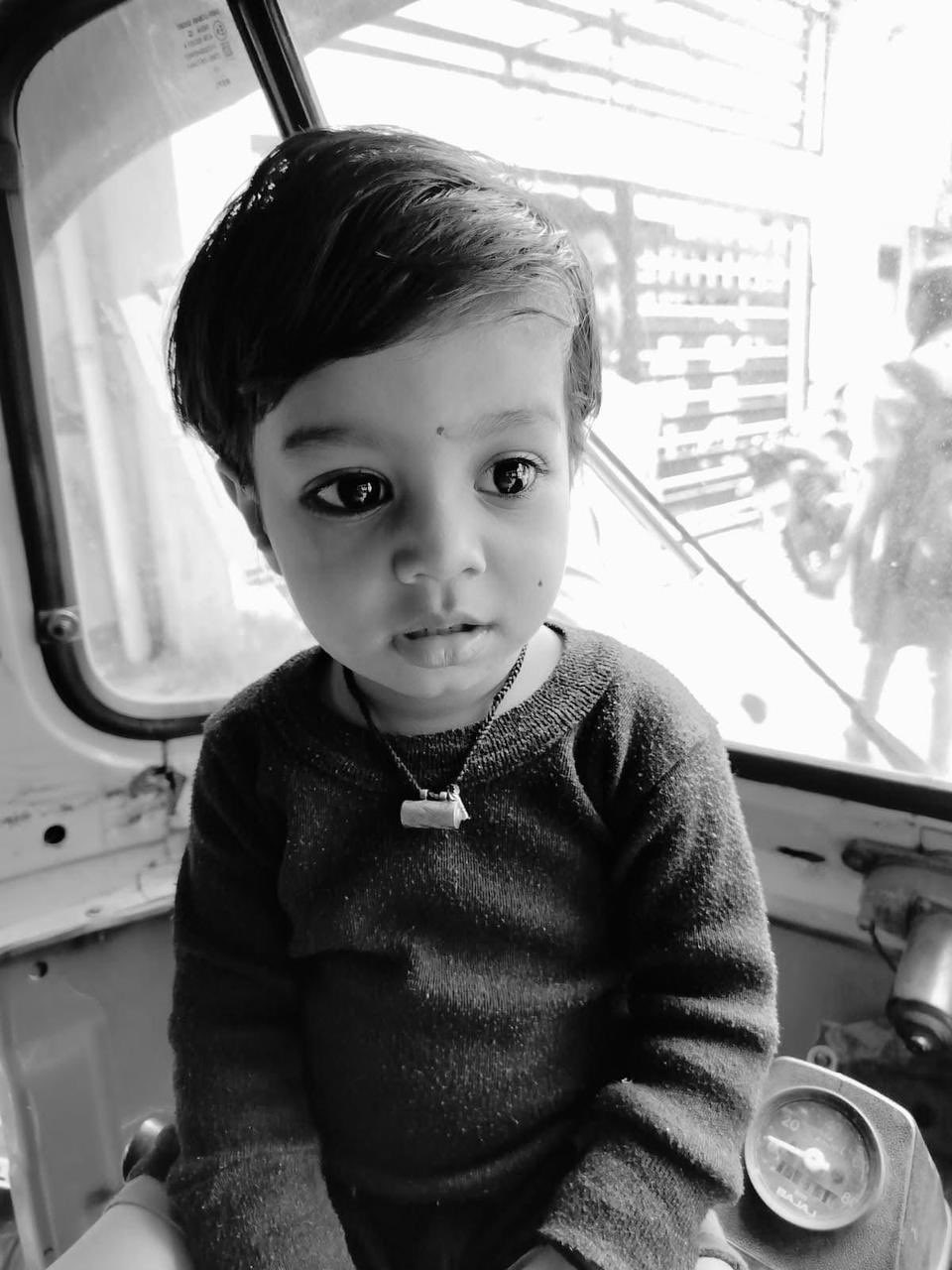
Indore outbreak: Two year old girl succumbs to contaminated water infection
Indore’s Bhagirathpura area continues to grapple with the fallout of a contaminated drinking water outbreak that began in late December, claiming several lives and triggering a judicial inquiry. Among the youngest victims was two year old Siya Prajapati , whose death has intensified public scrutiny of civic preparedness and accountability.
Siya, affectionately called “Laddu” by her family, fell ill on December 27 after allegedly consuming contaminated water in the locality, considered the ground zero of the outbreak. According to her father, Suraj Prajapati, she initially developed diarrhoea and was treated by a local doctor. Although her condition improved briefly, it deteriorated within days.
She was admitted to Government Chacha Nehru Hospital and later referred to the Government Super Specialty Hospital as complications escalated. Doctors diagnosed her with a liver abscess , a serious infection in which pus accumulates in the liver, along with pneumonia and systemic infection. Despite medical intervention, she died on February 10.
Prajapati, who runs a small trouser stitching unit and lives in a rented house in Bhagirathpura, said his daughter had been healthy before the outbreak. He also described the stress faced during her treatment, including delays in activating his family’s Ayushman health card. While treatment at the state run hospitals was largely free, he said certain medicines had to be purchased separately. He received confirmation that the card had been activated a day after his daughter’s death.
According to local residents, the outbreak has claimed around 35 lives so far. Officials have acknowledged multiple fatalities but stated that some victims had underlying medical conditions. On humanitarian grounds, the Madhya Pradesh government has announced ex gratia assistance of Rs 2 lakh each to the families of more than 20 deceased persons, including cases where the exact cause of death remains under review.
In response to the crisis, the district administration has undertaken measures to prevent further contamination. Damaged pipelines in the affected area have been identified and repair work has been initiated to prevent sewage from mixing with drinking water lines. Authorities have intensified water quality testing in Bhagirathpura and nearby localities and arranged tanker water supply in certain pockets during ongoing repairs. Health teams have conducted camps and door to door screenings to identify and treat fresh cases of vomiting and diarrhoea.
However, the tragedy has also reignited a familiar criticism. Residents and civic observers argue that corrective measures were initiated only after lives were lost, highlighting what many describe as a reactive rather than proactive governance approach . Critics say routine monitoring, preventive maintenance and early intervention could have mitigated the scale of the outbreak. The perception that action follows tragedy rather than prevents it has become central to the public anger in Bhagirathpura.
Following directions from the High Court, a one member judicial commission has been constituted to investigate the circumstances leading to the contamination and fix accountability. For affected families, though, the inquiry and compensation announcements offer limited solace, even as the city faces hard questions about infrastructure oversight and public health safeguards.