
Indonesia landslides kill at least 18, Dozens missing as rescue efforts continue
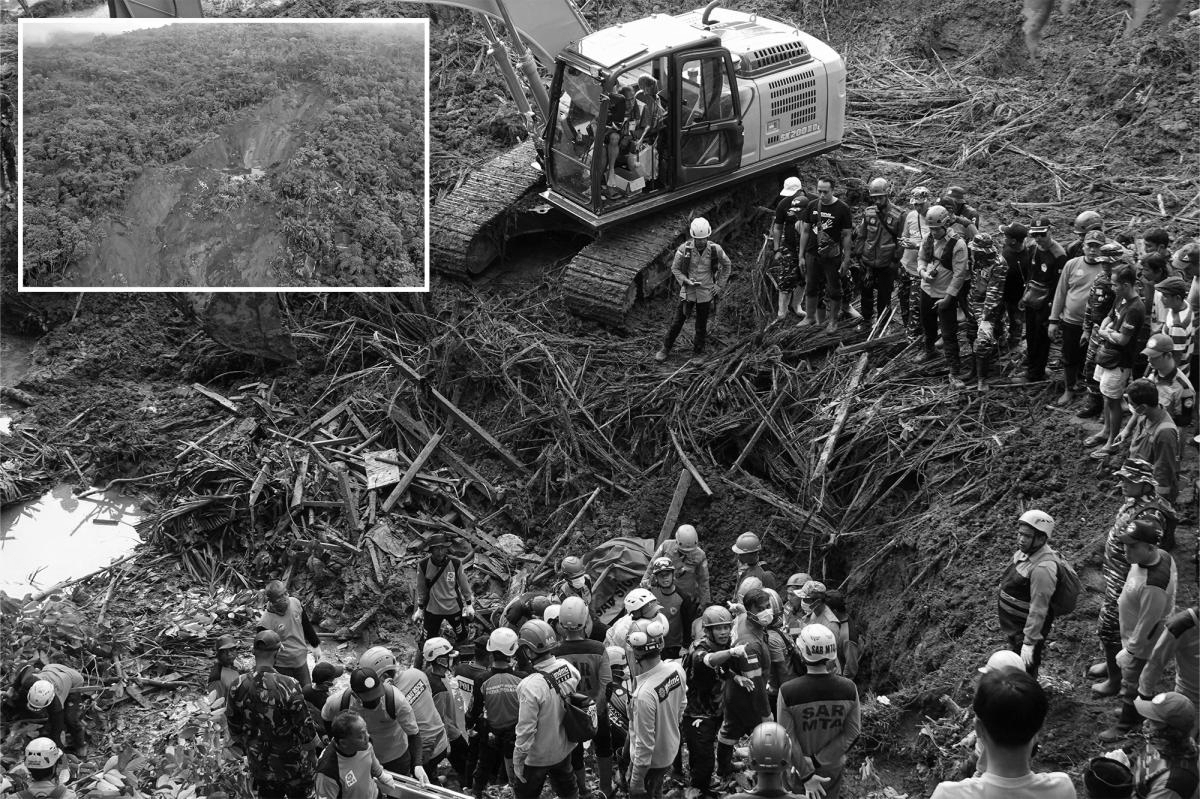
Rescue teams in Indonesia’s Central Java province are racing against time to locate dozens of missing people after two landslides, triggered by heavy seasonal rains, killed at least 18 individuals and buried homes in mud and debris.
The first disaster struck Cilacap district on Thursday evening, when torrential rains caused mudslides that devastated three villages. Dozens of houses were buried, and the death toll has risen to 16, according to Abdul Muhari, spokesperson for the National Disaster Mitigation Agency (BNPB). Over 500 personnel, including police, soldiers, 22 excavators, and 18 sniffer dogs, are working across five affected areas. Despite continuous efforts, seven villagers remain missing as search operations enter their fifth day.
A second landslide hit Banjarnegara district on Saturday evening, engulfing at least 30 homes and prompting more than 800 residents to flee. Many of those who escaped moved to vulnerable hills prone to further landslides, complicating rescue operations. Authorities managed to retrieve two bodies so far and are searching for 27 missing people, while working to relocate residents to safer government shelters.
To aid rescue operations, BNPB has launched a cloud seeding operation using over 3,000 kilograms of seeding material. This technique disperses particles into clouds to redirect rainfall, helping stabilise weather conditions and prevent further mudslides that could hinder rescuers. Muhari emphasised that the operation aims to maintain dry conditions over the affected districts, allowing safe and effective recovery efforts.
Images released by authorities showed villages buried under thick mud, rocks, and uprooted trees, with terraced rice fields reduced to murky brown mud. Seasonal downpours regularly trigger such disasters in Indonesia, a nation of 17,000 islands where millions reside on steep slopes or flood-prone plains, making the country highly vulnerable to landslides and floods.
The disasters have had severe consequences for the local population. Crops and farmland have been destroyed, livestock lost, and roads damaged, affecting both food security and livelihoods. Displaced families face economic hardship, while damaged infrastructure disrupts access to schools, healthcare, and markets. Experts warn that repeated disasters in these regions can have long-term impacts on agriculture and local economies.
Rescue teams continue their search, hoping to locate survivors while authorities urge communities to move to safer grounds and remain vigilant during the ongoing rainy season.