
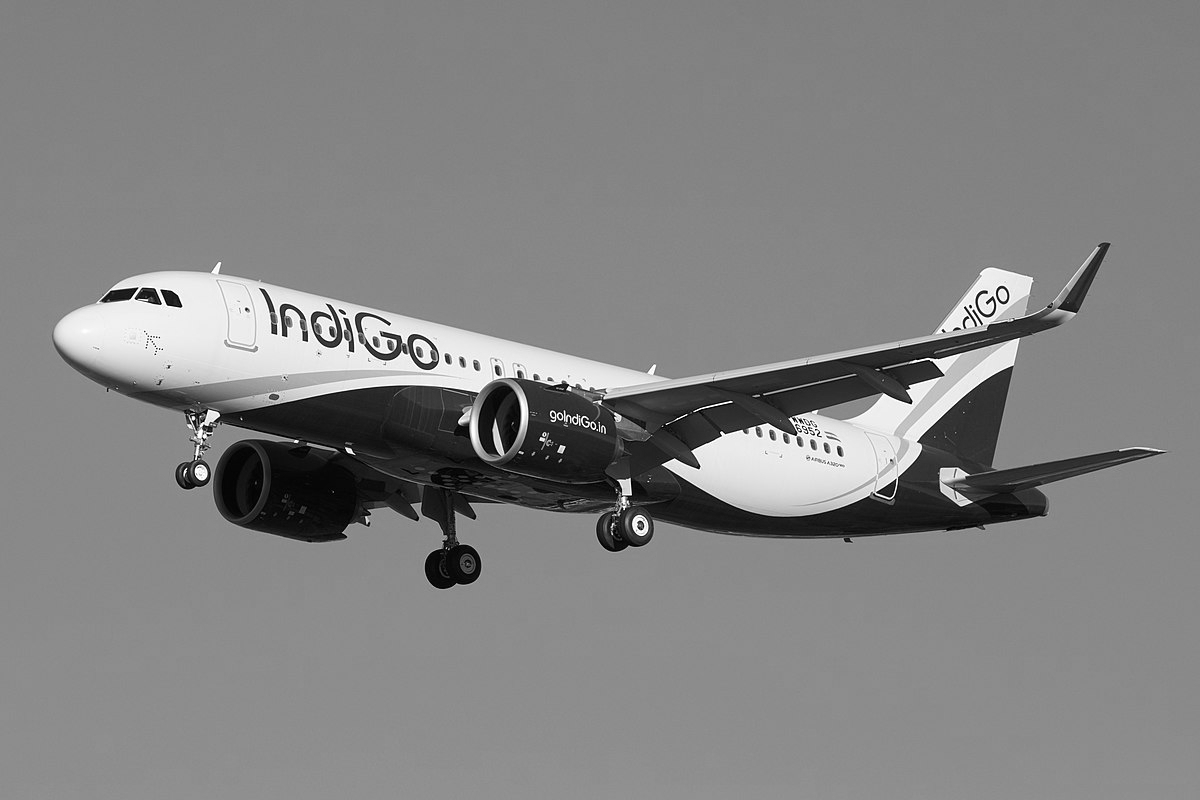
IndiGo to invest $820 million in subsidiary to expand aircraft fleet
IndiGo’s decision to raise $820 million has set the stage for one of its biggest expansion phases in recent years. The airline plans to use this money mainly to buy more aircraft, reduce lease dependence, and strengthen its international network. For India’s largest airline, this isn’t just a fundraiser, it’s a long-term strategy to stay ahead in a highly competitive aviation market. The company is not taking loans for this, instead, it will raise the amount through the issue of equity shares and 0.01 per cent optionally convertible preference shares (OCRPS) to its wholly owned subsidiary, making the funding a mix of share sale and internal financial structuring.
A major portion of the $820 million will go directly into aircraft purchases. Until now, IndiGo has mostly relied on leasing planes, which helped the airline expand quickly without heavy upfront costs. But leasing also means rising rentals every year, limited control over assets, and higher operational expenses when the rupee weakens against the dollar. With this new funding, IndiGo aims to gradually shift to a more balanced fleet model: part-owned, part-leased. Buying aircraft gives IndiGo better control, reduces long-term costs, and improves the strength of its balance sheet.
Another chunk of the money will be used for pre-delivery payments to aircraft manufacturers. These payments ensure IndiGo gets early slots in Airbus’s delivery schedule, extremely important at a time when global demand for new planes is high and supply chains are slow. Securing these slots helps IndiGo grow its international footprint quicker, especially towards Europe, the Middle East, and Southeast Asia.
IndiGo will also use part of the funds to invest in international expansion, route development, and airport infrastructure partnerships. As India sees rising overseas travel demand, IndiGo wants to add more long-range aircraft and open new destinations, making itself a stronger competitor to Air India, Vistara, and global carriers.
Owning more aircraft comes with risks and benefits. The long-term benefit is clear: lower total cost per plane, better financial stability, and stronger asset value. For shareholders, owning aircraft improves IndiGo’s valuation and reduces vulnerability to volatile lease rentals. But the risks include high upfront spending, debt exposure, and the challenge of maintaining and managing asset-heavy operations. If demand slows down, owning planes can become costlier than leasing them.
Still, buying more planes helps IndiGo compete more aggressively both in India and abroad. Ownership gives IndiGo the freedom to deploy aircraft wherever demand rises, plan long-term routes, and operate more consistently without lease-return pressure. It strengthens IndiGo’s push into premium international routes, improves reliability, and positions the airline for global partnerships.
In short, this $820 million fundraise is IndiGo preparing for the next decade of aviation, one where strong balance sheets, owned aircraft, and global ambitions will decide who leads the Indian skies. IndiGo currently operates a fleet of over 380 aircraft, most of which are on lease rather than owned. The airline continues to rely mainly on Airbus, which dominates its fleet with A320, A321, and ATR aircraft. Boeing has no major presence in IndiGo’s line-up, as the airline has chosen to stick with a single-manufacturer strategy for easier maintenance and operations.