
IndiGo Crisis: Number of cancellations on the decline, calls for minister's resignation grow
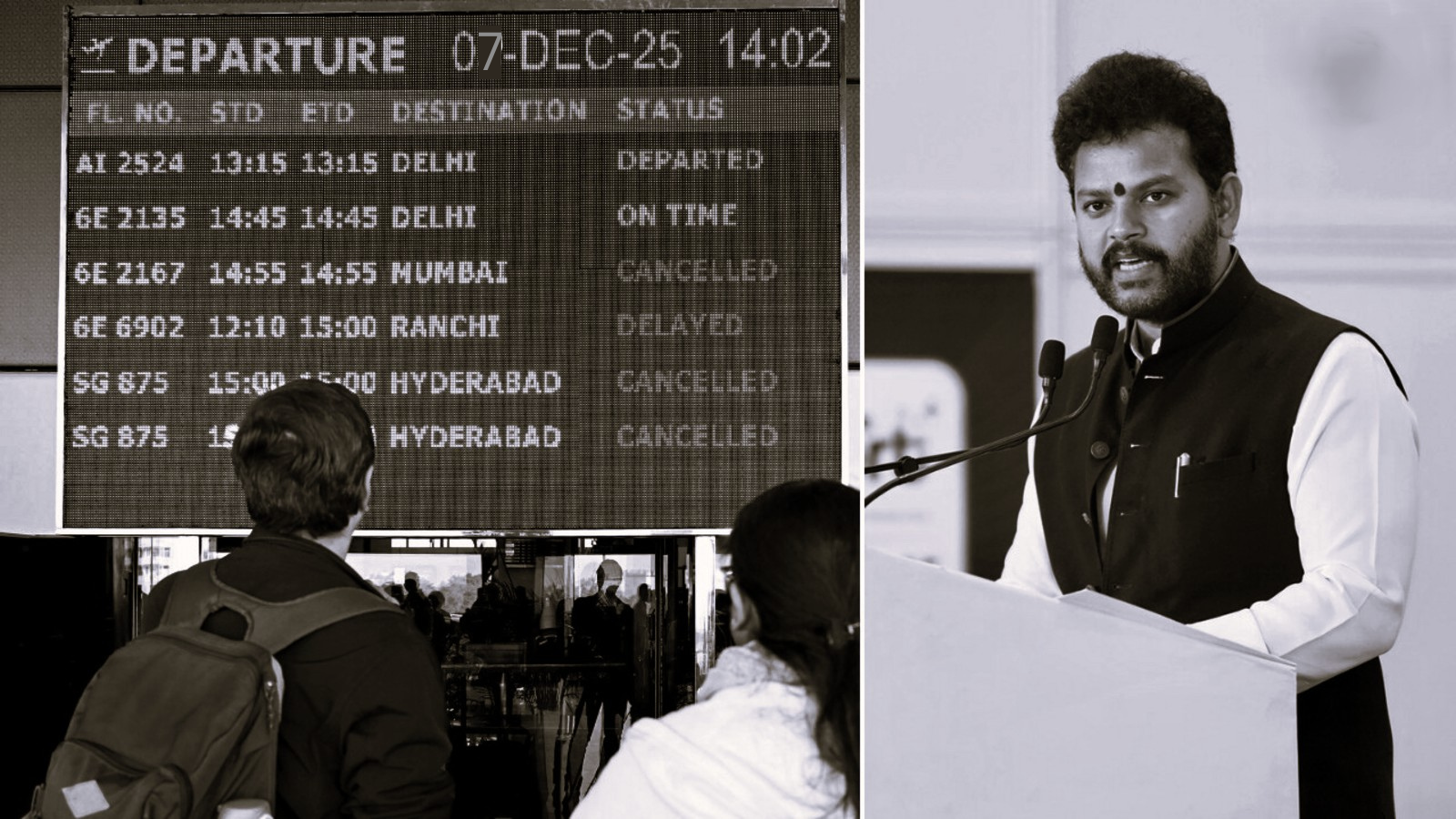
IndiGo cancellations are gradually coming down as the airline’s schedule stabilises, even as political demands for Civil Aviation Minister Ram Mohan Naidu’s resignation over the crisis grow louder. At the peak of the disruption, IndiGo cancelled more than 1,000 flights in a single day, crippling over half its usual daily schedule of around 2,300 flights and causing severe chaos at major airports. Following a full “schedule reboot”, the airline has increased the number of flights it operates from about 706 on December 5 to around 1,565 on December 6, with government estimates suggesting this could rise to nearly 1,650 flights by Sunday evening as operations steadily move towards normalcy. The Civil Aviation Ministry has said that other domestic airlines are operating at full capacity and helping absorb stranded IndiGo passengers, easing visible congestion at airports, and IndiGo expects its schedule to be close to normal between December 10 and 15, depending on crew availability and regulatory conditions.
The wave of cancellations triggered a sharp spike in last-minute ticket prices on several routes, prompting the government to intervene with temporary fare caps to protect passengers from overcharging. On affected domestic sectors, economy fares have broadly been capped in a band of about ₹7,500 on shorter routes to roughly ₹18,000 on longer routes such as Delhi–Mumbai (excluding taxes and fees), and all airlines have been instructed to strictly adhere to this structure. To safeguard passengers’ financial interests, IndiGo has been ordered to issue full refunds for cancelled or severely delayed flights and to waive rescheduling and cancellation charges for bookings impacted during the disruption window, leading to refunds worth about ₹610 crore being processed so far with the help of special support cells set up under ministry oversight.
The ministry has also focused on baggage and on-ground assistance, giving IndiGo a 48‑hour deadline to trace and deliver luggage that got separated from passengers during the crisis, with mandatory continuous communication until delivery. As per the latest official update, around 3,000 baggage items have already been located and returned to passengers across various airports, ahead of the stipulated deadline. Airport directors in Delhi, Mumbai, Bengaluru, Chennai, Hyderabad, Ahmedabad and Goa have reported that terminal operations are now largely normal, with no unusual crowding at check‑in, security or boarding areas, after additional airline staff and CISF personnel were deployed. A 24×7 control room under the Civil Aviation Ministry is coordinating flight operations, crowd management, grievance redressal and special assistance for vulnerable passengers to ensure the aviation system returns fully to normal and passenger rights are protected.
Despite the improving statistics, public anger and political criticism continue to intensify over how the crisis was handled. Images and accounts of passengers sleeping on airport floors and complaining of a lack of information, food and basic support have fuelled allegations that the government reacted too slowly and relied too heavily on IndiGo’s internal assurances in the early days of the disruption. Opposition parties, commentators and activists are now demanding Civil Aviation Minister Ram Mohan Naidu’s resignation, arguing that such a large‑scale collapse in the operations of India’s biggest airline reflects a failure of regulatory oversight and ministerial responsibility, not just airline‑level mismanagement. While Naidu has publicly placed primary blame on IndiGo’s mismanagement of crew rosters under tighter Flight Duty Time Limitation rules and has announced probes, fare caps, refund timelines and temporary regulatory relaxations, the debate has clearly shifted from pure operations to accountability at the top, even as cancellations and delays slowly decline.