
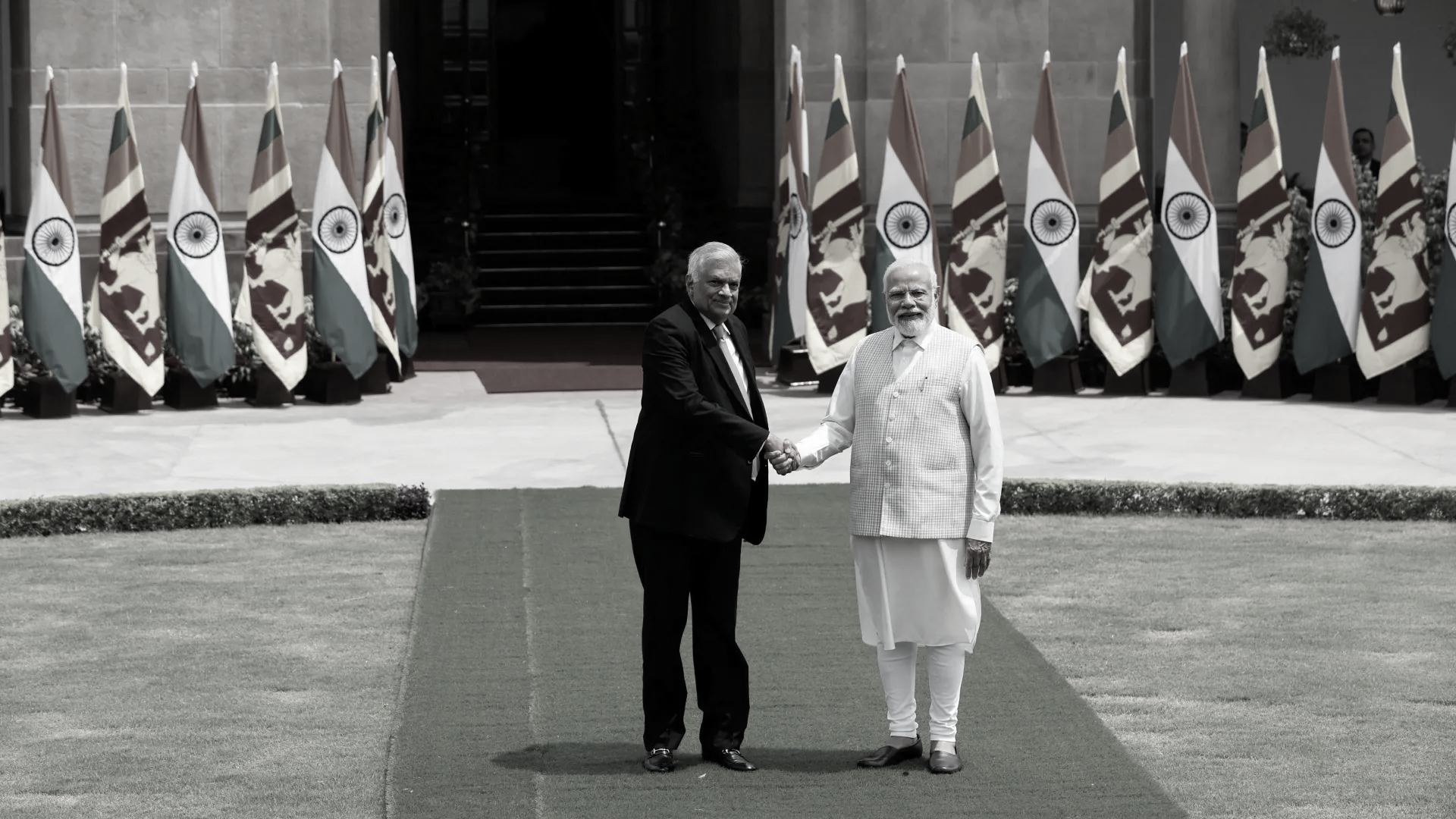
India–Sri Lanka ties remain strong amid strategic and economic cooperation
Relations between India and Sri Lanka continue to be shaped by a combination of historical connections, economic engagement, and strategic coordination, with both nations maintaining close diplomatic contact in recent years.
The bilateral relationship is rooted in centuries-old cultural and religious links, particularly the spread of Buddhism from India to Sri Lanka, which continues to influence people-to-people ties.
In the contemporary context, political engagement has remained active, with regular interactions between leaders, including Prime Minister Narendra Modi and President Anura Kumara Dissanayake. These exchanges have focused on strengthening cooperation in key sectors and addressing emerging regional challenges.
Economically, India remains one of Sri Lanka’s largest trading partners, supported by the India–Sri Lanka Free Trade Agreement. Indian investments span infrastructure, energy, and financial services, contributing to Sri Lanka’s development priorities.
Strategically, Sri Lanka’s position in the Indian Ocean makes it significant for regional security. Both countries have expanded cooperation in maritime surveillance, defence training, and disaster response mechanisms.
India has also played a key role in extending development and humanitarian assistance to Sri Lanka, particularly during periods of economic stress. Lines of credit, infrastructure projects, and emergency support have reinforced bilateral ties.
However, challenges such as disputes involving fishermen in the Palk Strait and concerns over external geopolitical influences persist.
Overall, India–Sri Lanka relations remain multifaceted, balancing cooperation with periodic challenges, while continuing to evolve in response to regional dynamics.