
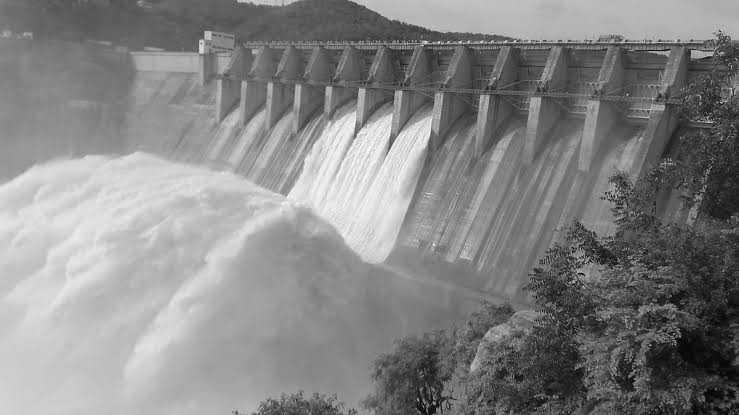
India's Water Security Push: Modern Dams, Pumped Storage and Climate Resilience
The India Dams Conference 2026 began in Chennai on Tuesday, bringing together government officials, engineers and infrastructure specialists to discuss dam safety, reservoir management, ageing infrastructure and sustainable hydropower development.
Held at ITC Grand Chola under the theme Advancing India's Journey Towards a Secure Water Future, the two-day conference, concluding on October 28, focuses on technologies and engineering practices for improving dam performance and strengthening water and energy infrastructure.
Discussions cover dam safety assessments, real-time monitoring systems, preventive maintenance and infrastructure modernisation. These measures are important for assessing structural conditions, identifying potential risks and maintaining the operational reliability of dams that support drinking-water supplies, irrigation and industrial activity.
Reservoir management is another key area, with participants examining ways to manage changing water availability and improve infrastructure resilience amid variable rainfall patterns. Monitoring river flows, tracking reservoir levels and improving forecasting can support decisions on water storage and releases, alongside dam-safety requirements and downstream needs.
The conference also addresses sustainable hydropower development and the role of modernised facilities in electricity generation. Pumped-storage hydropower is among the technologies being discussed as India expands energy-storage capacity to support the integration of renewable sources such as solar and wind power.
According to a government update published in October, India had 7.43 gigawatts (GW) of operational pumped-storage capacity as of August 2026. Another 15.87 GW across 11 projects was under construction or implementation.
Pumped-storage facilities use electricity to move water to an elevated reservoir and generate power when required, helping manage fluctuations in electricity demand and renewable generation.
The conference brings together representatives from the National Dam Safety Authority, the Central Water and Power Research Station, the Ministry of Power and engineering companies. The discussions also cover technical innovation, infrastructure rehabilitation and cooperation between public institutions and industry.
India's dam infrastructure serves multiple purposes, including water supply, agricultural irrigation, flood management and power generation. The event provides a forum for stakeholders to exchange technical knowledge on maintaining existing structures and planning future projects.