
India’s third indigenous nuclear submarine to be commissioned soon: Navy Chief
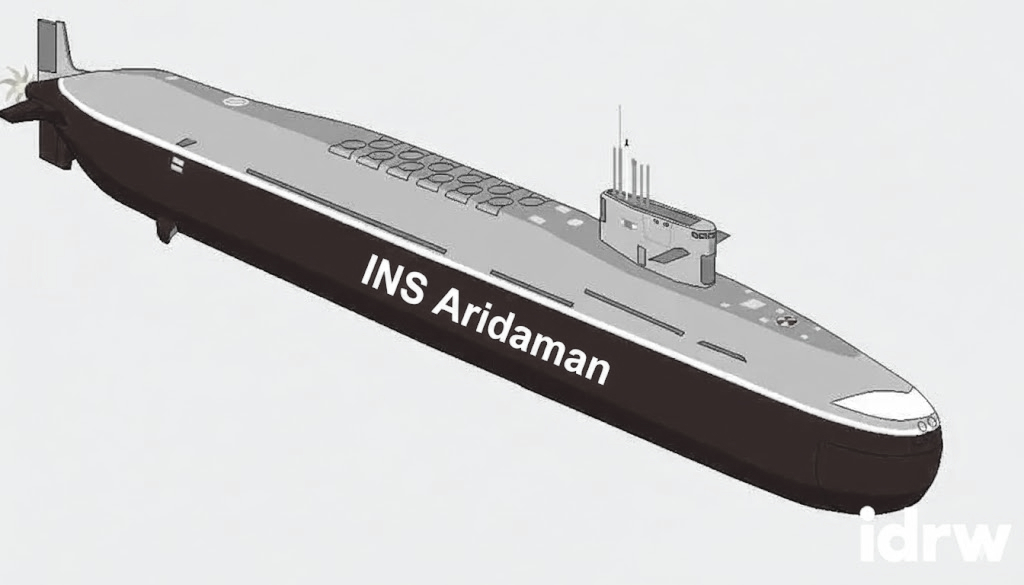
India is set to strengthen the sea leg of its nuclear triad with the commissioning of its third indigenous nuclear-powered ballistic missile submarine, INS Aridaman, Navy Chief Admiral Dinesh K Tripathi said on Tuesday. Addressing the annual press conference ahead of Navy Day, the Admiral confirmed that the submarine is in the final stages of trials and will join the fleet soon, marking another significant step in India’s strategic deterrence capability.
Admiral Tripathi also said the process for acquiring six advanced stealth submarines under Project 75-India is nearing completion, a move expected to substantially boost underwater strength. He added that the Navy will receive the first four of the 26 Rafale-M fighter jets in 2028 under the ₹64,000 crore agreement signed with France earlier this year.
The Navy Chief spoke at length about India’s ongoing military posture during Operation Sindoor, launched following recent hostilities with Pakistan. He said the Indian Navy maintained heightened operational readiness in the Western Arabian Sea over the past seven to eight months and its assertive actions forced the Pakistan Navy to remain near their ports or close to the Makran coast. According to him, the operation has had economic consequences for Pakistan, as many merchant ships avoided travelling to its ports and insurance costs increased due to perceived security risks. He noted that Operation Sindoor remains active, though he declined to offer further details.
INS Aridaman will be India’s third nuclear-powered ballistic missile submarine after INS Arihant and INS Arighat. SSBNs(SSBN stands for Ship Submersible Ballistic Nuclear (or more commonly: Submersible Ship Ballistic Nuclear). are considered the most survivable nuclear assets because they can remain hidden underwater for long periods and launch ballistic missiles if necessary. India’s SSBN programme is central to its nuclear deterrent, complementing the nation’s land-based missiles and air-delivered nuclear capability.
India has consistently maintained that its nuclear arsenal is guided by the principle of “credible minimum deterrence.” After the Pokhran-II tests in 1998, India reiterated that nuclear weapons were only meant to deter adversaries. The country’s nuclear doctrine, made public in 2003, affirmed a “no first use” policy, stating that India would use nuclear weapons only in retaliation to a nuclear attack and that the response would be massive. India also remains a strong advocate for global nuclear disarmament and the elimination of atomic weapons.
The commissioning of INS Aridaman is expected to further solidify India’s underwater strategic strength, placing the country alongside a small group of global powers that operate nuclear-powered ballistic missile submarines, including the United States, Russia, the United Kingdom, France and China.