

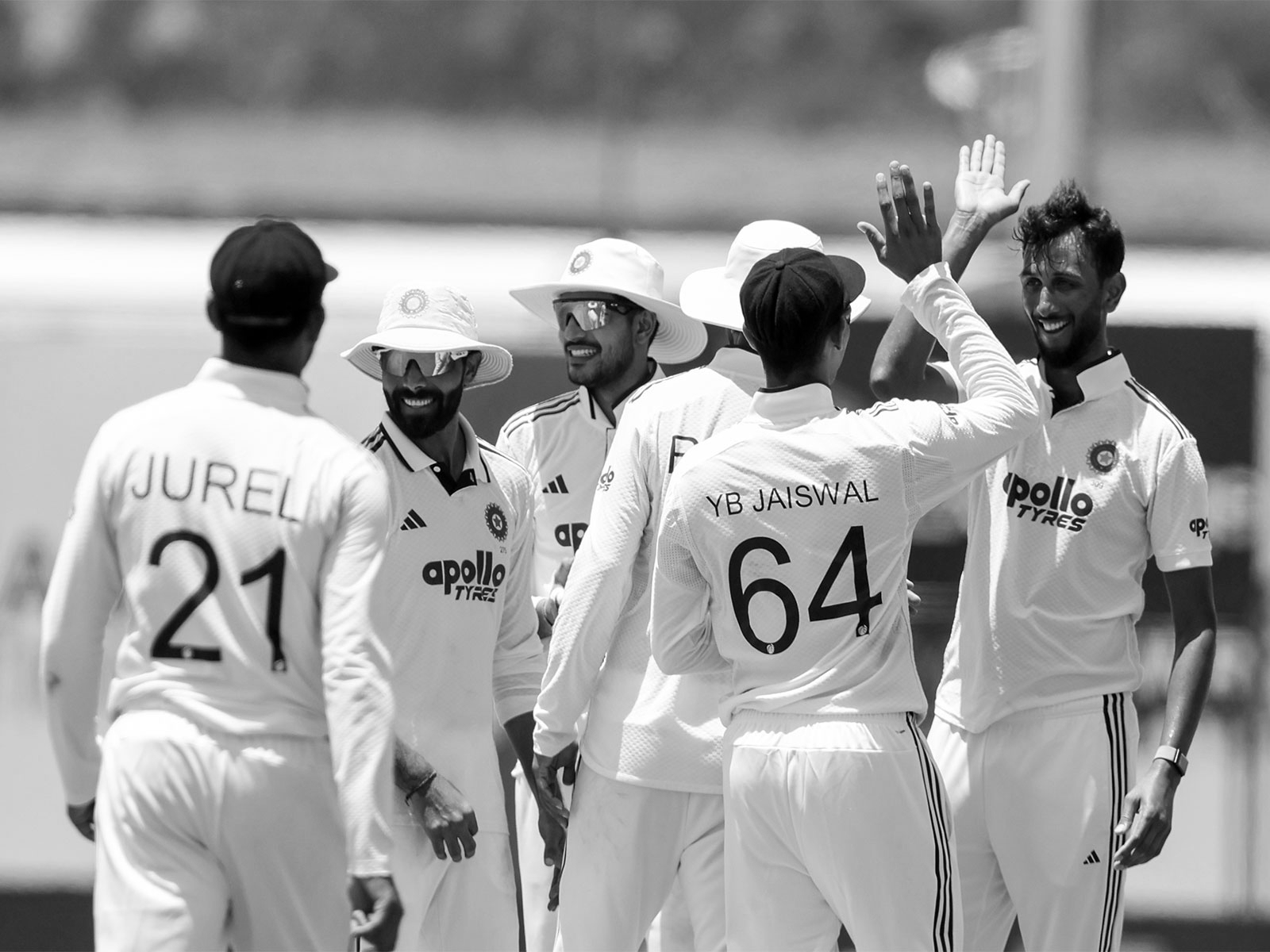
India's Test Journey From 1st To 600th: A Story Of Progress, Revolutions And Historic Triumphs
India's Test cricket journey, spanning nearly 95 years from Lord's in 1932 to Galle in 2026, is more than a record of 600 matches. It is the story of a cricketing nation that evolved from an inexperienced newcomer into one of the most formidable forces in the longest format. From the pioneering days of CK Nayudu to the modern era of Shubman Gill, India's Test story has been shaped by legendary players, tactical revolutions, landmark victories, difficult overseas campaigns and a gradual transformation in mindset.
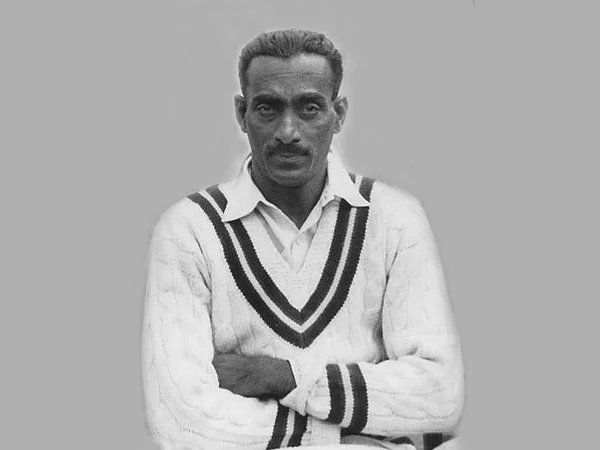
India's first Test was played against England at Lord's on June 25, 1932, under the leadership of CK Nayudu. At the time, India became only the sixth nation to receive Test status. The occasion was historic, but the team was still finding its feet in international cricket. The early years were characterised by limited opportunities, unfamiliar conditions and a lack of the infrastructure and depth that established cricketing nations possessed. India had talented individuals, but victories were difficult to come by.
The numbers from India's first 100 Tests underline the scale of that challenge. The team managed only 10 victories, suffered 40 defeats and drew 50 matches. Yet those early decades were essential in laying the foundations of Indian cricket. Players such as Vijay Merchant, Lala Amarnath, Vinoo Mankad and Polly Umrigar helped establish a tradition of resilience and technical excellence. Their contributions ensured that Indian cricket slowly developed its own identity rather than simply trying to imitate the established powers.
The second century of India's Test journey brought significant improvement. Between Tests 101 and 200, India won 25 matches, lost 32 and drew 43. The win-loss ratio improved considerably, reflecting a team that was becoming more competitive and increasingly capable of challenging stronger opponents. The emergence of India's great spin tradition was central to this development. Bishan Singh Bedi, Erapalli Prasanna, Bhagwat Chandrasekhar and Srinivas Venkataraghavan formed a celebrated spin quartet that became one of the defining features of Indian Test cricket.
The 1960s and 1970s marked an important tactical revolution. Indian cricket learned how to exploit spin-friendly conditions and use patience as a weapon. But the real psychological breakthrough arrived in 1971, when India, led by Ajit Wadekar, won historic Test series in the West Indies and England. The victory in the Caribbean was particularly significant because it demonstrated that India could defeat a powerful opponent away from home. It changed the perception of Indian cricket and gave future generations the belief that overseas success was possible.
The arrival of Sunil Gavaskar further strengthened India's batting reputation. His extraordinary concentration, technical discipline and ability to confront some of the world's most dangerous fast bowlers made him one of the defining Test batsmen of his generation. At the same time, Kapil Dev provided India with something it had rarely possessed before — a genuinely world-class fast-bowling all-rounder. His pace, athleticism and ability to contribute crucial runs and wickets broadened India's understanding of what its players could achieve.
India's progress remained uneven, however. Between Tests 201 and 300, the team recorded 21 wins, 26 defeats, one tie and 52 draws. The high number of draws reflected an era in which India could often compete strongly but struggled to convert promising positions into victories. That began to change with the emergence of an extraordinary generation of batsmen and a more assertive leadership philosophy.
Sachin Tendulkar, Rahul Dravid, Sourav Ganguly and VVS Laxman became central figures in India's Test revival. Their careers overlapped during one of the most memorable periods in Indian cricket. The team was no longer dependent on a single star. It possessed multiple batsmen capable of winning or saving matches and a growing group of bowlers capable of creating pressure.
The most powerful symbol of this changing mentality came during India's historic Test against Australia in Kolkata in 2001. After being forced to follow on, India produced one of the greatest comebacks in Test history. VVS Laxman and Rahul Dravid produced a remarkable partnership before India's bowlers completed the turnaround. The victory against one of the strongest Australian teams of the era became a defining moment because it demonstrated that India could fight back from seemingly impossible situations.
That spirit was closely associated with Sourav Ganguly, whose captaincy brought greater aggression and self-belief. Ganguly backed young players, encouraged them to challenge opponents and helped create a team that was increasingly comfortable competing against the world's best. His tenure was an important bridge between the older generation and the modern Indian side.
By the time India reached its 400th Test against the West Indies in Jamaica in 2006, the transformation was becoming unmistakable. The team had greater depth, stronger domestic foundations and a growing belief in its ability to compete abroad. Indian cricket was also changing institutionally. Domestic cricket became increasingly important as a pipeline for talent, while improved coaching, fitness standards and professional support systems gradually raised the overall quality of players entering international cricket.
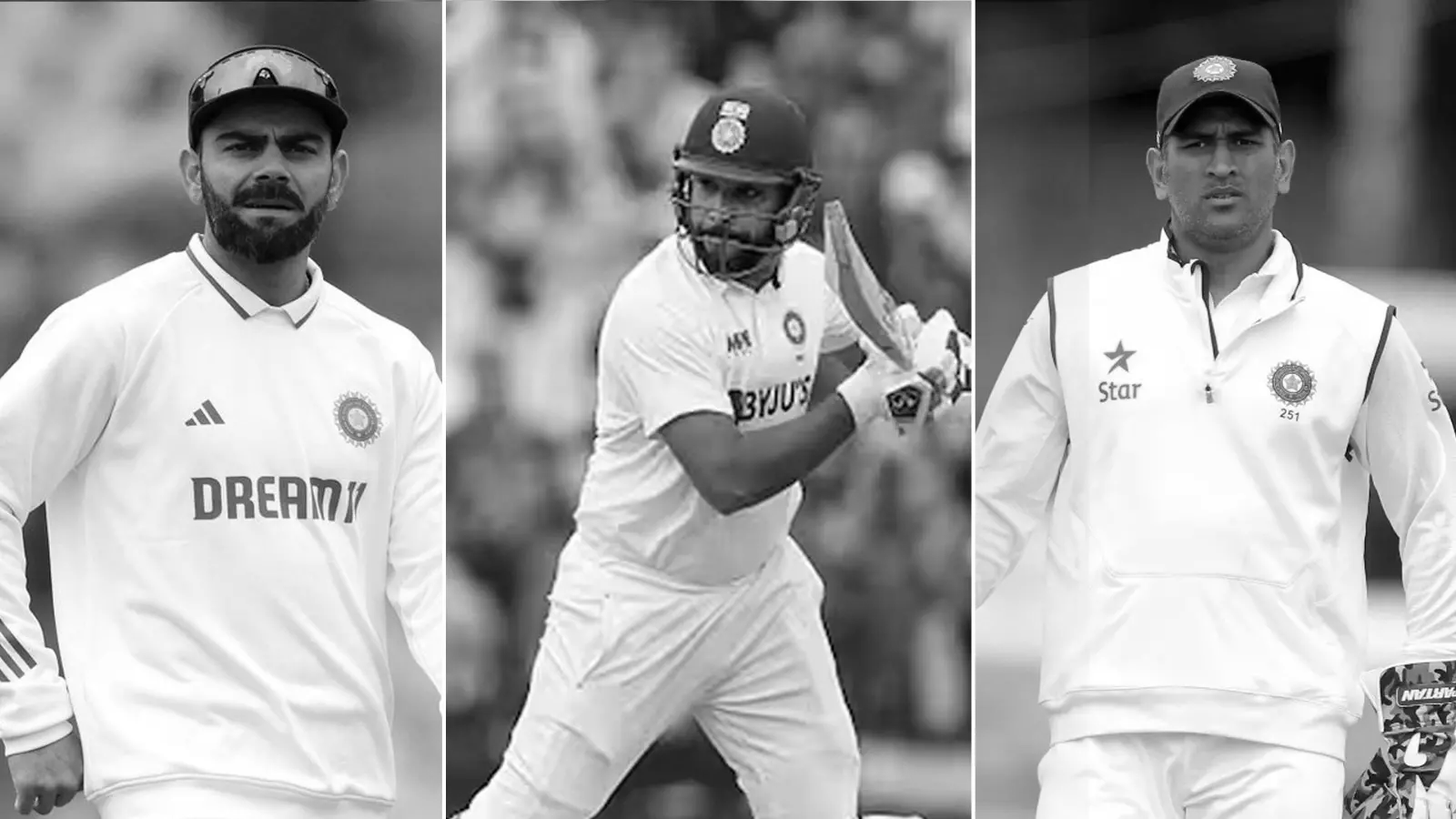
The next major phase came under MS Dhoni. His captaincy coincided with India's rise to the No. 1 position in the Test rankings, confirming that the team had become a major force in the format. Dhoni brought a calm leadership style and a modern understanding of pressure situations. Under his leadership, India increasingly competed with confidence, while the country's cricketing ecosystem continued to expand.
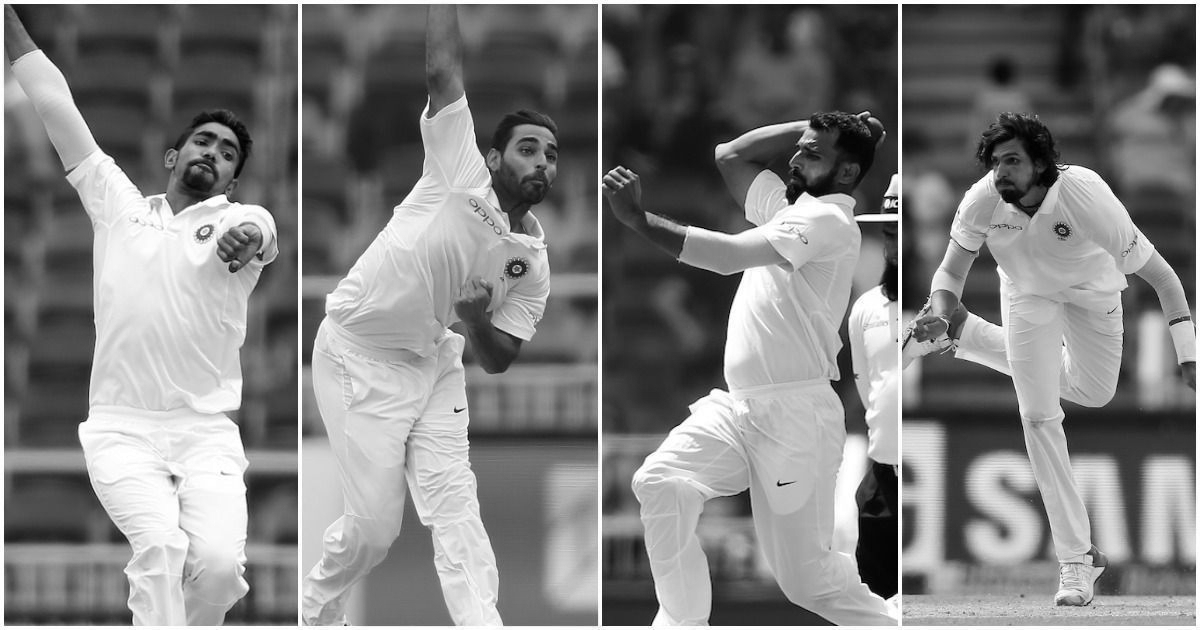
Perhaps the most important transformation of the modern era, however, was India's evolution as a fast-bowling nation. For decades, Indian cricket had been strongly associated with spin. But the emergence of Jasprit Bumrah, Mohammed Shami, Ishant Sharma, Umesh Yadav and Mohammed Siraj changed that perception. India developed a pace attack capable of taking 20 wickets overseas, an essential requirement for sustained success in Test cricket.
Virat Kohli played a central role in this transformation. His captaincy placed enormous emphasis on fitness, intensity and an aggressive approach to Test cricket. Kohli demanded high physical standards from the team and backed fast bowlers to attack rather than simply contain opposition batsmen. His era coincided with some of India's most significant overseas performances and established a stronger winning culture.
At the same time, India's traditional strength in spin remained intact. Ravichandran Ashwin and Ravindra Jadeja became among the most effective spin-bowling all-rounders of the modern era, giving India the ability to control matches through both spin and pace. The combination transformed India's bowling attack into one of the deepest and most versatile in world cricket.
The statistical transformation from India's first 300 Tests to its next 300 is striking. In the first 300 matches, India won 56 Tests, lost 98 and drew 145. In the following 300, India recorded 131 victories, 90 defeats and 69 draws. The change illustrates how dramatically the team's ability to convert competitive performances into wins improved.
The fourth century of Tests represented another step forward. Between Tests 301 and 400, India won 32 matches and lost 31. The record was almost evenly balanced, but it represented a major improvement compared with the team's early history. The fifth century brought an even greater leap, with India winning 42 Tests and losing 28 between Tests 401 and 500.
The most remarkable numbers belong to India's latest 100 Tests. Between Tests 501 and 600, India registered 57 victories, 31 defeats and two draws, taking its win-loss ratio to an impressive 1.83. The figures provide perhaps the clearest statistical evidence of India's transformation from a developing Test side into one of the format's leading teams.
India's 500th Test, played against New Zealand at Kanpur's Green Park, was another major milestone. By then, the team had established itself as a regular contender at the top of international Test cricket. The journey from the 500th to the 600th Test also took considerably less time than many of the earlier centuries, reflecting the expansion of the international cricket calendar and India's increasingly central role in world cricket.
Then came the landmark 600th Test on August 15, 2026, against Sri Lanka in Galle. The timing gave the occasion an added layer of significance. India's 600th Test was played on the country's 80th Independence Day, creating a symbolic connection between the nation's journey since independence and the transformation of its cricket team.
The match also represented a generational transition. Shubman Gill, one of the leading faces of India's next generation, was at the helm. From CK Nayudu in 1932 to Gill in 2026, the captaincy itself tells the story of India's evolution. Different generations brought different philosophies, but each contributed to the broader development of Indian Test cricket.
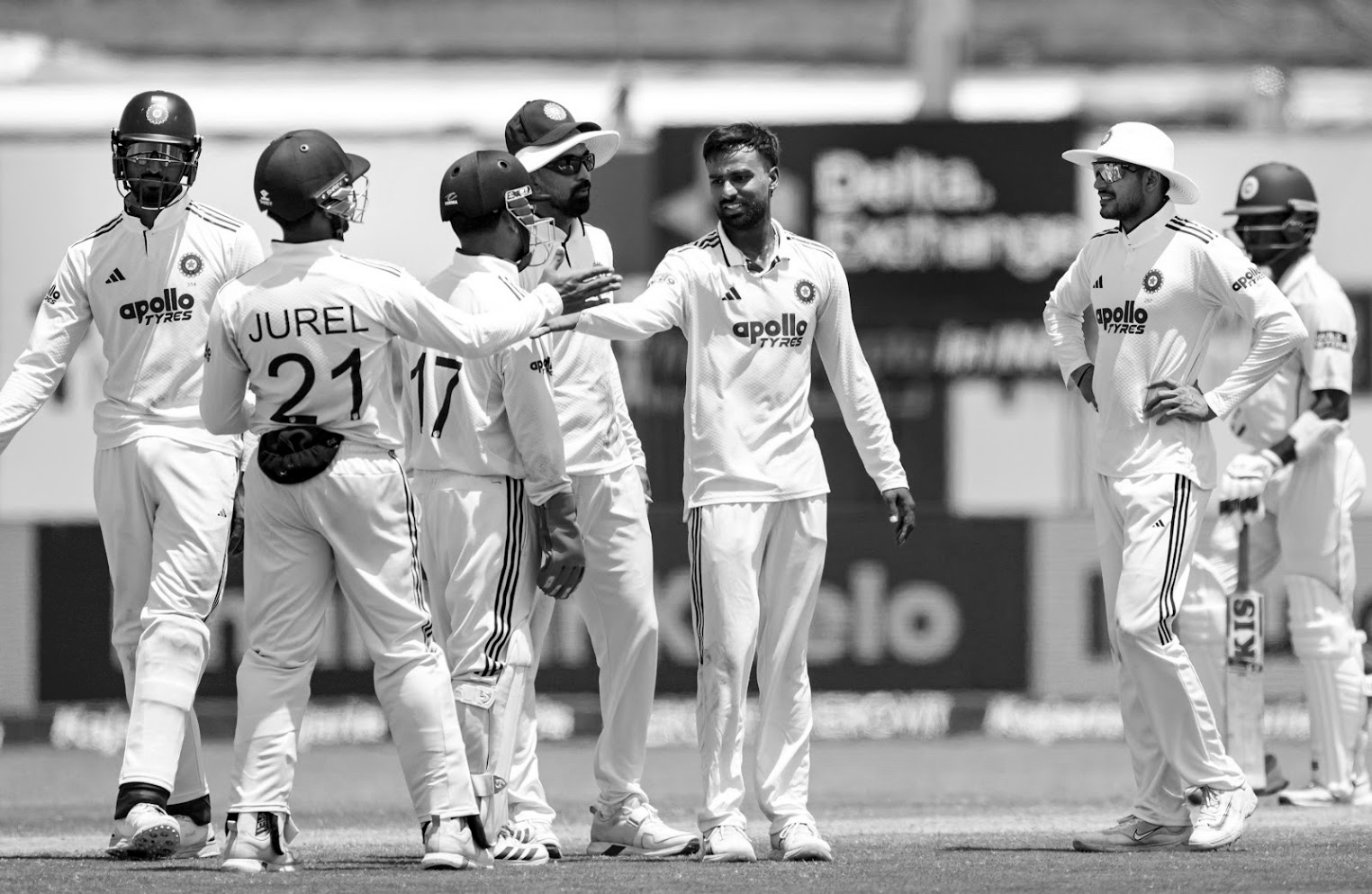
The 600th Test proved memorable on the field as well. Devdutt Padikkal produced a spectacular batting performance, including his maiden Test century, while debutant spinner Manav Suthar emerged as one of the central figures of the contest. Suthar's outstanding bowling performance, including a 10-wicket haul, helped India dominate Sri Lanka.
India eventually completed a 165-run victory, giving the landmark Test the perfect ending. It was not merely a ceremonial appearance to mark 600 matches; it was another competitive victory that reflected the standards India has developed over decades.
The journey from Lord's to Galle is therefore best understood through the generations that shaped it. CK Nayudu represented India's entry into Test cricket. Wadekar's team delivered the first great overseas breakthroughs. Gavaskar established the importance of technical excellence. Kapil Dev showed that India could produce world-class pace and all-round ability. Tendulkar, Dravid, Ganguly and Laxman created a formidable batting generation. Ganguly's leadership brought aggression and belief. Dhoni helped India reach the summit of the rankings. Kohli transformed fitness, intensity and India's fast-bowling culture, while players such as Ashwin, Jadeja, Bumrah and Shami carried those standards forward.
Yet India's Test story cannot be reduced to its most famous names. It is also the story of domestic cricketers who spent years competing for recognition, coaches who developed generations of players, support staff who professionalised preparation and millions of supporters who kept Test cricket central to India's sporting culture.
The greatest change has ultimately been psychological. India entered Test cricket in 1932 as an inexperienced newcomer trying to establish its place. In 2026, it reached 600 Tests as one of only three nations to have achieved the milestone, alongside England and Australia. More importantly, India arrived there with the confidence to compete anywhere, against anyone.
The 600th Test is therefore not an endpoint. It is a milestone in an unfinished story. The journey has moved from survival to competitiveness, from competitiveness to consistency and from consistency to sustained ambition. The methods have changed from spin dominance to pace strength, from defensive survival to aggressive winning cricket but the central thread has remained the same: India's relentless pursuit of improvement.
From Lord's to Galle, from Nayudu to Gill, India's Test journey is a story of patience, revolutions, setbacks, comebacks and historic triumphs. The first 100 Tests were about finding a place in international cricket. The next 100 built confidence. The following generations created belief. The modern era has produced dominance.
And with 600 Tests now behind it, Indian cricket enters its next chapter carrying nearly a century of experience, hundreds of unforgettable performances and a legacy that continues to grow with every Test match.