
India’s strategic push gains momentum at G7 meet hosted by Canada
The G7 Foreign Ministers’ Meeting (FMM) 2025, hosted in the scenic Niagara region of Ontario, Canada, on November 11–12, brought together top diplomats from across the world to discuss pressing global issues ranging from energy security and maritime stability to geopolitical conflicts and outreach diplomacy. The meeting, chaired by Canada under its presidency, included the core G7 members Canada, France, Germany, Italy, Japan, the United Kingdom, the United States, and the European Union along with invited partners such as India, Australia, Brazil, South Africa, Mexico, Saudi Arabia, South Korea, and Ukraine.
The discussions focused on a comprehensive agenda aimed at strengthening global cooperation amid complex challenges. Key themes included the security of energy and critical mineral supply chains, maritime safety, climate resilience, and the ongoing conflict in Ukraine. The ministers collectively underscored the importance of diversifying supply chains to reduce dependency and ensure long-term stability in the global economy. There was also a strong emphasis on protecting undersea infrastructure and building resilient maritime networks to support global trade and prosperity.
A central theme of the meeting was the ongoing war in Ukraine, where the G7 ministers reaffirmed their steadfast support for Kyiv’s sovereignty and territorial integrity. They discussed measures to bolster Ukraine’s energy infrastructure as it prepares for another difficult winter amid sustained Russian attacks. While expressing solidarity, the ministers also acknowledged the need to maintain diplomatic pressure on Moscow and support Ukraine’s reconstruction efforts. However, the group notably steered clear of more contentious discussions surrounding trade disputes and deeper military commitments.
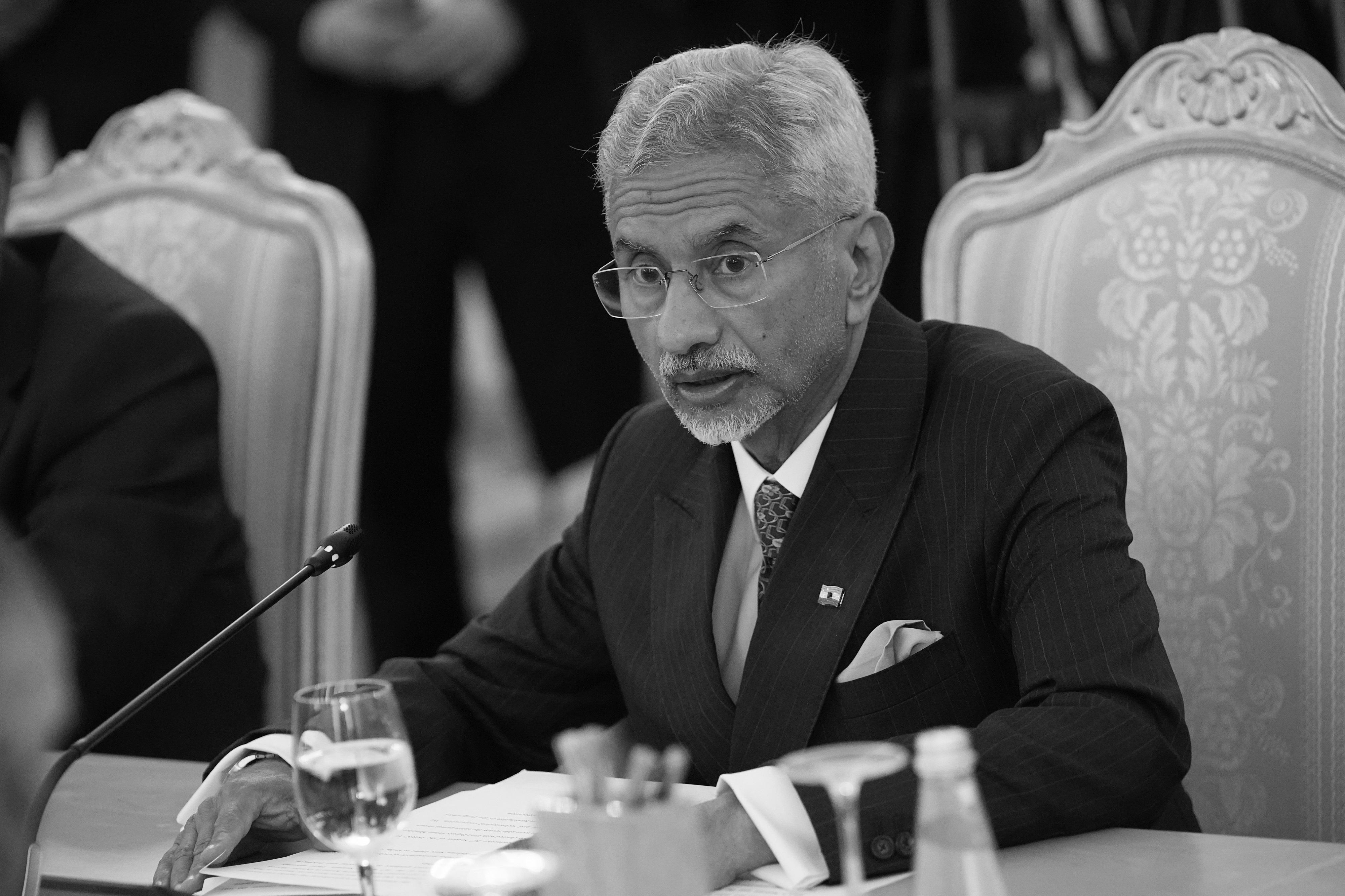
India’s participation at the G7 FMM stood out as a reflection of its expanding role in global diplomacy. External Affairs Minister S. Jaishankar represented New Delhi at the meeting, participating in multiple thematic sessions and bilateral engagements. During the outreach session on energy security and critical minerals, Jaishankar emphasized the importance of building resilient global supply chains and reducing overdependence on specific geographies. In the maritime security session, he highlighted India’s “MAHASAGAR” outlook, stressing the need to safeguard undersea infrastructure and enhance port-led connectivity for sustainable trade growth.
On the sidelines of the G7 meeting, Jaishankar held several high-level bilateral meetings. He met Canada’s Foreign Minister Anita Anand, with both sides discussing the India-Canada Roadmap 2025 covering trade, energy cooperation, and people-to-people exchanges. The meeting was viewed as a positive step toward stabilizing ties between the two nations following a period of diplomatic strain. Jaishankar also met U.S. Secretary of State Marco Rubio, who offered condolences over the recent blast in New Delhi. Both leaders discussed cooperation on Indo-Pacific security, trade, and ongoing geopolitical developments, including Ukraine and West Asia.
However, the meeting was not without tensions. The United States faced criticism from some European partners over its recent military strikes on vessels in the Caribbean and Latin American coasts, with questions raised about the legality of these actions under international law. U.S. Secretary of State Marco Rubio defended the operations, insisting they were necessary to counter growing regional threats. Despite this, the broader G7 discussions remained focused on unity in supporting Ukraine and enhancing energy and maritime security cooperation.
The 2025 G7 Foreign Ministers’ Meeting reaffirmed the group’s evolving character expanding beyond its original membership to engage emerging powers and outreach partners like India, Australia, and Brazil. The format underscores an acknowledgment that addressing global issues requires inclusive participation beyond the traditional Western bloc. India’s active engagement at the G7 signifies its growing diplomatic stature and its commitment to a collaborative global framework built on mutual respect and shared responsibility.
As the meeting concluded, the focus shifted to translating discussions into actionable outcomes. Observers now await the joint communiqué expected to outline commitments on energy security, supply chain resilience, and maritime cooperation. With India playing a key bridging role between developed and developing nations, its presence at the G7 underscored a broader geopolitical reality that the future of global diplomacy increasingly depends on inclusive partnerships and collective problem-solving.